
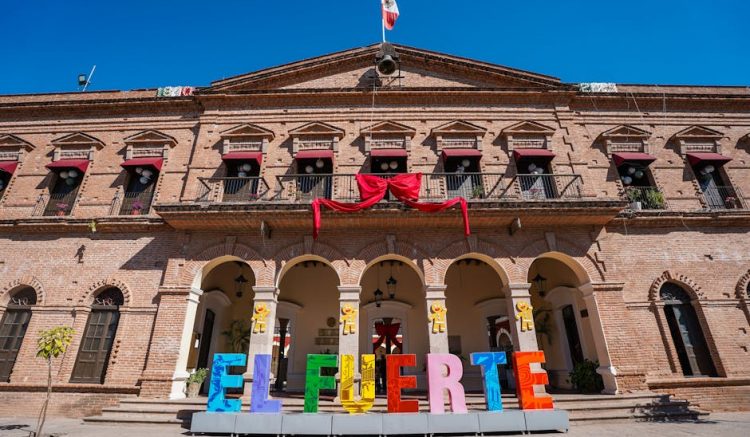
Many travelers still associate El Salvador with past conflicts, a misconception that often overshadows its significant transformation. Today, El Salvador is a vibrant, welcoming destination. It offers stunning beaches, rich cultural sites, and adventure tourism. The country has made remarkable strides in safety and infrastructure, making it an increasingly popular choice for those seeking authentic Central American experiences. Prepare for a trip that defies old narratives and delivers genuine adventure.
Navigating El Salvador: Practical Safety Measures for Travelers
Traveling anywhere requires a degree of awareness. El Salvador is no different. The key is understanding the local context and making informed choices. Ignore sensational headlines. Focus on current realities and practical steps. This approach ensures a secure and enjoyable visit.
Understanding Local Contexts
While major urban centers like San Salvador have modern areas, some neighborhoods still warrant caution. Stick to well-trafficked tourist zones. Areas like the beaches of La Libertad, the colonial charm of Suchitoto, and the villages along the Ruta de las Flores are generally safe for visitors. Always research your destination within a city before venturing out. Ask hotel staff or trusted locals for current advice on areas to avoid, especially after dark. Common sense goes a long way. Do not flash expensive electronics or large sums of cash. Keep valuables secure and out of sight.
Smart Transportation Choices
When moving between cities or to tourist hubs, consider vetted transport. Options like shuttle services, private taxis, or ride-sharing apps like Uber or InDriver are common in major cities. They offer a secure and convenient way to travel. For intercity routes, reputable bus lines connect main destinations reliably. Avoid hailing random taxis off the street, particularly late at night. Always confirm the fare or use the app’s estimate before starting your journey. For short distances within towns, walking is often fine during the day, but always be aware of your surroundings.
Emergency Contacts & Planning
Before you arrive, save crucial phone numbers. This includes your embassy or consulate, local emergency services (like 911), and your accommodation details. Consider purchasing a local SIM card upon arrival. Tigo and Claro are major providers. This ensures you have reliable communication access. Share your itinerary with a trusted contact back home. This simple step provides an extra layer of security. Always have copies of your passport and other important documents, stored separately from the originals. A physical copy and a digital version on your phone or cloud storage are best.
Best Times to Visit El Salvador: Seasonal Considerations
El Salvador experiences two primary seasons: the dry season (verano) and the wet season (invierno). Each offers distinct advantages and trade-offs for travelers. Your preferred activities should guide your decision. Surfing, hiking, or exploring cultural sites all benefit from specific weather patterns.
| Factor | Dry Season (November – April) | Wet Season (May – October) |
|---|---|---|
| Weather | Hot, sunny, minimal rain. Average temperatures 25-30°C (77-86°F). Low humidity. | Warm, afternoon/evening showers. Average temperatures 25-28°C (77-82°F). High humidity. |
| Activities | Ideal for beaches, surfing (smaller waves), hiking (Volcán Santa Ana), cultural tours. Consistent conditions for all outdoor activities. | Good for surfing (larger swells), lush landscapes for photography. Morning activities are usually clear. Rain refreshes the air. |
| Crowds | Peak tourist season, especially around Christmas, Easter (Semana Santa), and New Year. More crowded beaches and popular sites. | Fewer tourists. More tranquil experience. Lower prices for accommodation and some tours. |
| Cost | Generally higher prices for flights and accommodation due to demand. Book well in advance. | Lower prices for flights and accommodation. More deals available. |
| Landscape | Drier, sometimes dusty, but clear skies for views. | Vibrant green, lush vegetation. Waterfalls are more powerful. |
Dry Season Advantages
For most travelers, the dry season offers the most comfortable and predictable weather. Consistent sunshine makes beach days at El Tunco perfect. Hiking trails, like the ascent of Volcán Santa Ana to its emerald crater lake, are less muddy and provide clearer views. This period is also excellent for exploring historical sites in San Salvador or colonial towns like Suchitoto without worrying about rain interrupting your plans. However, expect higher prices and larger crowds, especially during major holidays in December and April 2026. Book accommodation and popular tours well in advance to secure your spot.
Wet Season Trade-offs
The wet season, despite its name, does not mean constant rain. Typically, mornings are clear and sunny, with rain arriving in the late afternoon or evening. These showers are often brief but intense. Surfers often prefer this season for the larger, more consistent swells along the Pacific coast. The landscapes transform into vibrant, lush green, making it a beautiful time for photography. Waterfalls are at their fullest. Traveling during the wet season means fewer crowds and often better deals on accommodation. Just plan your outdoor activities for the mornings, and be prepared for occasional downpours.
Essential Packing for El Salvador: What Really Matters
Packing smart for El Salvador means prioritizing comfort, versatility, and practicality. The climate is warm, and activities vary from beach relaxation to mountain hikes. Avoid overpacking. Focus on essentials that serve multiple purposes.
- Clothing and Footwear
- Lightweight, Breathable Fabrics: Pack cotton, linen, or moisture-wicking synthetic clothing. Think t-shirts, tank tops, shorts, and light dresses.
- Long-Sleeved Shirt/Pants: Useful for sun protection, mosquito prevention in evenings, and visiting religious sites where modest dress is appreciated.
- Rain Jacket/Poncho: Essential during the wet season (May-October), and useful for sudden downpours even in the dry season. Choose a lightweight, packable option.
- Swimwear: Multiple sets are useful if you plan on frequent beach or pool time.
- Comfortable Walking Shoes: For exploring towns and general sightseeing. Sneakers or sturdy sandals work well.
- Hiking Boots/Shoes: If you plan to hike volcanoes (like Santa Ana) or explore trails, proper footwear with good grip is crucial.
- Flip-flops/Sandals: For beach, pool, and casual wear.
- Health and Hydration Gear
- Reusable Water Bottle: Tap water is generally not safe to drink. Refill with purified water. Staying hydrated is in the tropical climate.
- Sunscreen: High SPF is a must. The sun is intense.
- Insect Repellent: Especially for evenings and jungle areas. Look for products with DEET or picaridin.
- Basic First-Aid Kit: Include band-aids, antiseptic wipes, pain relievers, anti-diarrhea medication, and any personal prescriptions.
- Hand Sanitizer: Useful when soap and water are not readily available.
- Tech and Document Essentials
- Power Bank: For charging devices on the go, especially if exploring rural areas or facing power outages.
- Universal Travel Adapter: If your devices don’t use Type A/B plugs. El Salvador uses 120V, 60Hz.
- Camera Gear: Capture the stunning landscapes. Consider waterproof cases for beach activities.
- Copies of Documents: Passport, visa (if applicable), flight reservations, accommodation bookings. Keep digital copies on your phone and in cloud storage.
- Small Backpack/Daypack: For daily excursions, carrying water, snacks, and a light jacket.
Getting Around El Salvador: Transportation Options Explained
Navigating El Salvador is straightforward once you understand the local options. Each mode of transport suits different travel styles and budgets. Choose based on your destination and comfort level.
How reliable are local buses?
Local buses, often called ‘chicken buses’ or colectivos, are the most common and cheapest form of public transport. They are incredibly reliable for intercity travel between major towns and cities, departing frequently from terminals. While they can be crowded and lack air conditioning, they offer an authentic cultural experience. Fares are typically very low, often under $2-$3 USD for a multi-hour journey. For example, a trip from San Salvador to Santa Ana takes about 1.5-2 hours and costs around $1.00 USD. Keep an eye on your belongings, as pickpocketing can occur in crowded situations. It’s an efficient way to see the country, but less comfortable for long hauls.
Is ride-sharing available?
Yes, ride-sharing apps like Uber and InDriver operate reliably in larger cities such as San Salvador, Santa Ana, and La Libertad. These services offer a convenient, safer alternative to street taxis, with transparent pricing and GPS tracking. They are ideal for getting to and from airports, navigating within cities, or reaching nearby tourist spots like El Tunco from San Salvador. A typical ride from San Salvador’s city center to El Tunco might cost between $20-$30 USD, depending on traffic and time of day. Always confirm the driver and vehicle details match the app before entering.
Should I rent a car?
Renting a car offers maximum flexibility, especially if you plan to explore less-traveled areas or prefer to set your own schedule. Major rental companies operate at Monseñor Óscar Arnulfo Romero International Airport (SAL) and in San Salvador. Expect prices ranging from $30-$60 USD per day for a compact car. Roads connecting major cities and tourist areas are generally in good condition. However, driving in San Salvador can be chaotic. Parking can be challenging, and some rural roads might be unpaved. A 4×4 vehicle is not strictly necessary unless you plan extensive off-road adventures. Ensure your rental includes comprehensive insurance. Remember that gas prices are comparable to those in the US.
What about intercity shuttles?
For comfortable and direct transport between popular tourist destinations, dedicated shuttle services are a strong recommendation. These are often operated by tour companies or specialized transport providers. They offer door-to-door service, making travel between places like El Tunco, Santa Ana, and Suchitoto seamless. Prices are higher than public buses but significantly less than private taxis. For instance, a shuttle from El Tunco to Suchitoto might cost around $25-$40 USD per person. This option combines convenience with security, often including air conditioning and direct routes, avoiding multiple transfers.
Culinary Adventures and Cultural Etiquette in El Salvador
El Salvador’s culinary scene is a vibrant expression of its culture, and engaging with local customs is part of the enriching travel experience. I firmly believe that embracing local food and demonstrating respect for traditions are among the best ways to truly connect with a destination. Do not miss the chance to eat like a local.
Must-Try Local Dishes
The undisputed king of Salvadoran cuisine is the pupusa. These thick corn tortillas filled with cheese, beans, or chicharrón (fried pork) are a national treasure. You find them everywhere, from roadside stalls to dedicated pupuserías. A single pupusa costs around $0.75 to $1.25 USD. Order them revueltas (mixed cheese, beans, and pork) for the classic experience. Pair them with curtido (fermented cabbage slaw) and salsa roja. Beyond pupusas, try yuca frita (fried yucca with chicharrón), sopa de gallina india (local chicken soup), and fresh tropical fruits like mango and papaya. For drinks, refresh with a glass of horchata (rice-based drink) or fresh fruit juices.
Respecting Local Customs
Salvadorans are generally warm and polite. A few simple gestures can go a long way. Always greet people with a polite "Buenos días" (good morning), "Buenas tardes" (good afternoon), or "Buenas noches" (good evening) when entering a shop or restaurant. "Gracias" (thank you) and "Por favor" (please) are always appreciated. Dress modestly when visiting churches or more conservative areas. While beach towns are relaxed, cities and rural areas appreciate respectful attire. If invited into a home, a small gift is a thoughtful gesture, though not strictly required. Patience is also key; things may move at a slower pace than you are accustomed to. Embrace it.
El Salvador offers a depth of experience that continues to evolve. Its blend of untouched natural beauty, historic sites, and a welcoming populace ensures that future visitors will find even more to explore and cherish.