
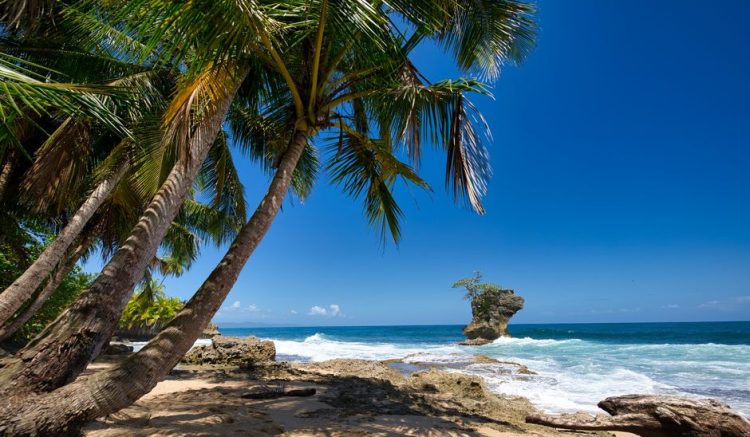
You’ve seen the Instagram photos: sloths hanging in lush trees, sunsets over Pacific waves, and that signature “Pura Vida” smile. But here’s what nobody tells you: Costa Rica is expensive, slow, and surprisingly tricky to navigate. This guide cuts through the marketing and gives you the real picture for 2026.
1. The Real Cost of a Week in Costa Rica (It’s Not Cheap)
Most budget travel blogs paint Costa Rica as a backpacker paradise. It is. But it’s also one of the most expensive countries in Central America. A week here will cost you more than a week in Mexico or Colombia.
Here’s a realistic breakdown for a mid-range traveler in 2026:
| Expense | Budget (per day) | Mid-Range (per day) |
|---|---|---|
| Hostel dorm bed | $15–$20 | — |
| Private room (Airbnb/hotel) | — | $50–$90 |
| Meals (3 local sodas) | $18–$25 | $30–$45 |
| Car rental (4×4, basic insurance) | $40–$60 | $70–$100 |
| National park entry | $15–$25 | $15–$25 |
| Activities (zip-line, rafting) | $50–$80 | $80–$150 |
| Total (per day) | $100–$140 | $200–$300 |
The biggest hidden cost? Car rental insurance. Your credit card coverage often won’t work here. You’ll need to buy the mandatory liability insurance (SLI) at the counter — that’s an extra $15–$25 per day on top of the rental price. Budget for it.
Where Your Money Goes Fast
National park entrance fees hit hard. Manuel Antonio charges $18 per person. Arenal Volcano is $15. Monteverde Cloud Forest is $25. If you visit three parks in a week, that’s $60 just to walk in. Bring cash — many parks don’t take cards.
The One Thing You Should Splurge On
A guided night tour in Monteverde or Tortuguero. It costs $35–$50, but you’ll see frogs, snakes, and insects you’d never spot alone. Worth every colón.
2. Why the Roads Will Ruin Your Itinerary
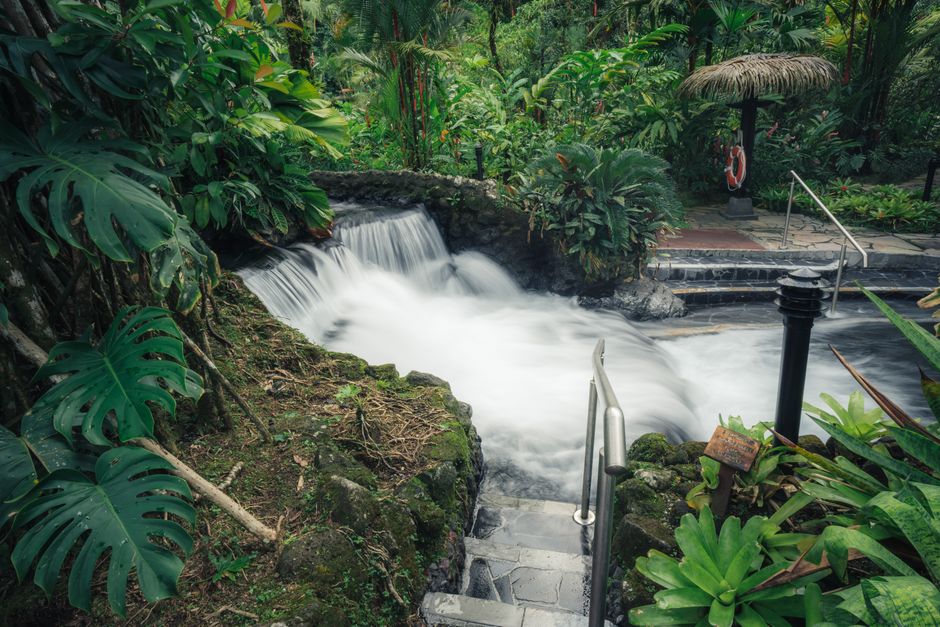
Google Maps says the drive from San José to Manuel Antonio takes 2.5 hours. In reality, it’s 3.5 to 4 hours. The last 30 kilometers are unpaved, potholed, and winding. You’ll average 30 km/h.
Here’s the truth: Driving in Costa Rica is slow and frustrating. The main highways (Route 1, Route 27) are decent. Everything else is a gamble. A 200-kilometer drive can take 5 hours.
What to Do Instead
Fly. Sansa Airlines operates small Cessna planes between San José and most tourist hubs. A one-way ticket from San José to Tamarindo costs $80–$120 and takes 45 minutes. The bus would take 6 hours. The drive takes 4.5 hours if you’re lucky. The flight is the best $100 you’ll spend.
If you must drive, rent a 4×4. Not an SUV — a real 4×4. The Suzuki Jimny or Toyota Hilux. A sedan will bottom out on the gravel roads to Monteverde or the Nicoya Peninsula. Dollar Rent-a-Car and Alamo have the best fleets for this. Expect to pay $60–$90 per day with full insurance.
The Waze vs. Google Maps Debate
Locals use Waze. It’s better at finding shortcuts and avoiding construction. Google Maps has sent travelers down one-lane dirt roads that end at a river. Download Waze before you arrive. Buy a prepaid SIM (Kolbi or Claro) at the San José airport for $10 — your phone will thank you.
3. The Pura Vida Trap: Why “Mañana” Means “Not Today”
“Pura Vida” sounds lovely. It means “pure life,” a laid-back attitude. In practice, it means nothing runs on time. Buses leave when full. Restaurants open when the cook arrives. Tour guides cancel because the weather “feels wrong.”
This isn’t a complaint — it’s a warning. If you’re a Type-A planner, Costa Rica will drive you crazy. Build buffer time into every day. If a tour says it starts at 8 AM, expect to leave at 8:45. If a restaurant says it opens at noon, show up at 12:30.
How to Work With It, Not Against It
Book your first two nights in one place. Don’t plan to arrive in a new town and catch a 5 PM tour. You won’t. Give yourself a full day to adjust to the pace. The locals call it “Tico time.” You’ll learn to love it — eventually.
The One Exception: National Park Entry Times
Parks like Manuel Antonio and Arenal Volcano enforce strict entry windows. If you book a 7 AM slot, be there at 6:45. They won’t hold the gate for Tico time. Miss your window, and you lose your entry fee. Set two alarms.
4. Safety: The Real Risks Nobody Talks About
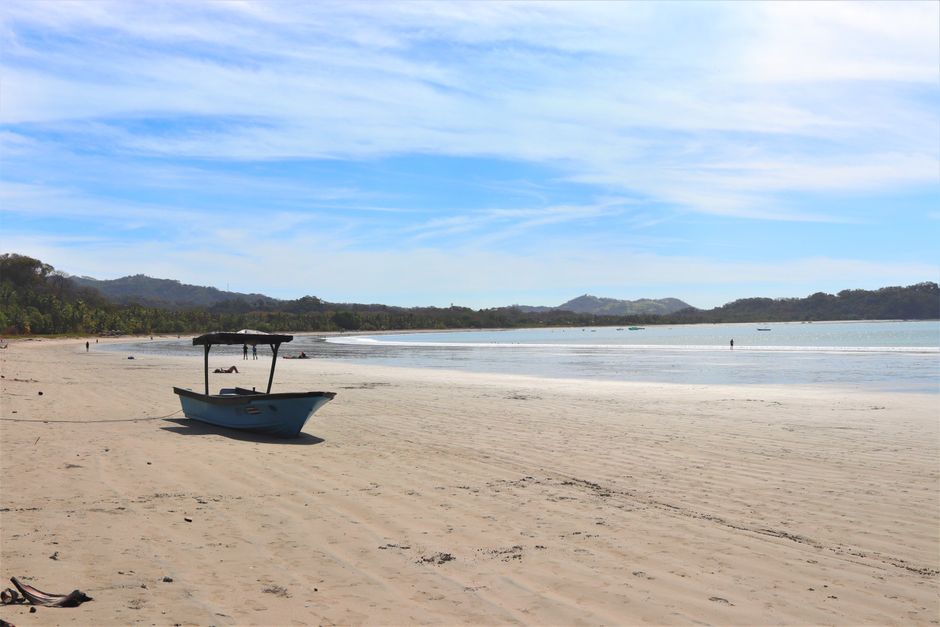
Costa Rica is safe. Violent crime against tourists is rare. But petty theft is everywhere. Don’t leave your phone on the table at a beachside café. Don’t hang your bag on the back of a chair. In San José, keep your wallet in your front pocket.
The bigger risk? Riptides and crocodiles. I’m serious. Every year, tourists drown on the Pacific coast because they ignore red flags. The beaches at Tamarindo and Jacó have strong rip currents. Swim only where lifeguards are present. And never swim in rivers near the coast — crocodiles hunt there. The Tárcoles River is famous for its 4-meter crocodiles.
What About Uber and Taxis?
Uber works in San José and most beach towns. It’s cheaper than official taxis (called “red taxis”). But Uber is technically illegal here. Drivers will ask you to sit in the front seat to look like a friend. Fine. Do it. It’s safe. Just don’t be shocked when the driver cancels if a cop is nearby.
Official red taxis are metered. A ride across San José costs $5–$10. Always ask for the meter (“la maría”). If they refuse, get out. Never take unmarked taxis from the airport. Use the official taxi stand or Uber.
Medical Emergencies
Costa Rica has excellent public hospitals. But they’re crowded. For serious issues, go private. Hospital CIMA in San José and Escazú is the best. A consultation costs $100–$150. Pay cash or credit. Travel insurance is mandatory — World Nomads and SafetyWing are the most accepted. Bring your policy number printed out.
5. Where to Stay: The Best Areas for First-Timers
Don’t try to “see it all.” Costa Rica is small on a map but huge on the ground. A common mistake is booking four destinations in ten days. You’ll spend half your trip in a car or bus.
Pick two regions max. Here’s how to decide:
- Arenal/La Fortuna — Best for adventure. Hot springs, volcano hikes, rafting, zip-lining. Stay 3–4 nights. Budget: Red Lollipop Hostel ($18 dorm). Mid-range: Hotel Lomas del Volcán ($80 private).
- Manuel Antonio — Best for wildlife and beaches. Monkeys, sloths, and stunning coastline. Stay 3 nights. Budget: Selina Manuel Antonio ($20 dorm). Mid-range: Hotel Playa Espadilla ($70 private).
- Tamarindo — Best for surf and nightlife. Busy, touristy, but fun. Stay 2–3 nights. Budget: Hostel Pozo Azul ($15 dorm). Mid-range: Hotel Tamarindo Diria ($90 private).
- Monteverde — Best for cloud forest, coffee tours, and quiet. Cooler weather. Stay 2 nights. Budget: Monteverde Backpackers ($16 dorm).
If you want quiet beaches and fewer tourists, head to the Nicoya Peninsula. Santa Teresa and Nosara are surf towns with dirt roads and yoga studios. Not cheap, but worth it. Expect to pay $80–$120 for a private room.
6. The Packing List You Actually Need (Leave the Hiking Boots at Home)
Most packing guides for Costa Rica are wrong. They tell you to bring heavy hiking boots, a rain jacket, and three pairs of jeans. Here’s the real list.
What to Bring
- Two pairs of sturdy sandals (Chacos or Tevas). You’ll wear them 90% of the time. They dry fast, handle mud, and work on hikes.
- One pair of trail runners (like Merrell Moab or Salomon Speedcross). Lighter than boots, better for wet rocks.
- Quick-dry shorts and shirts (Patagonia Baggies or Columbia PFG). Cotton stays wet for days in the humidity.
- A light rain jacket (Patagonia Torrentshell or Outdoor Research Helium). Not a heavy parka. You’ll wear it for 20 minutes of afternoon rain.
- Headlamp (Black Diamond Spot 400). Power outages happen. So do night hikes. Don’t rely on your phone.
- Dry bag (Sea to Summit 10L). For boat rides, waterfall hikes, and keeping your phone alive.
- Insect repellent with 30% DEET. The mosquitoes in Tortuguero and the Osa Peninsula carry dengue and chikungunya. Skin So Soft doesn’t cut it.
What to Leave at Home
Leave the jeans. Leave the formal wear. Leave the umbrella (it breaks in the wind). Leave the drone — Costa Rica has strict drone laws, and you’ll need a permit or risk confiscation. Leave the expensive jewelry. You’re going to the jungle, not a gala.
One last thing: bring a reusable water bottle with a filter. The tap water is safe in most towns, but not in rural areas. A Grayl GeoPress ($85) or Lifestraw Go ($45) lets you drink from any river or tap. Saves you $3–$5 per day on plastic bottles.
Costa Rica will test your patience and expand your expectations. The roads are rough, the pace is slow, and the costs add up fast. But the wildlife, the beaches, and that genuine Pura Vida warmth — they’re real. Go with a flexible plan, a full wallet, and a sense of humor. You’ll leave different than you arrived.