
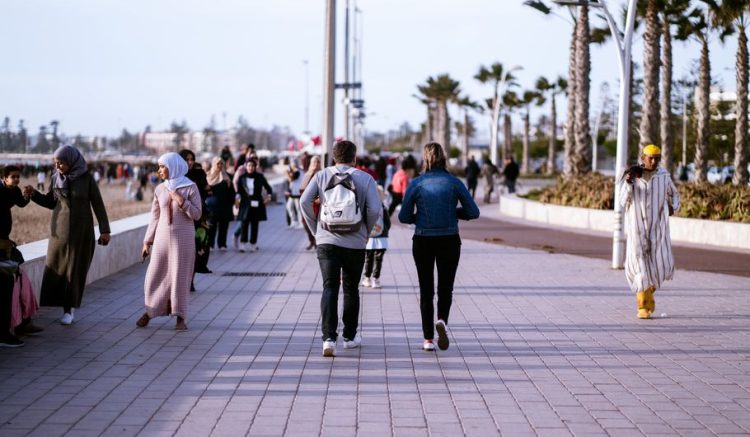
Verdict up front: Fes wins for serious culture buffs in 2026. Marrakech wins for cultural spectacle and comfort. If you want to study Islamic architecture, learn a craft from a master, and walk through a medieval city that hasn’t been repackaged for Instagram, go to Fes. If you want sensory overload, world-class museums, and a riad with a rooftop pool after a day of sightseeing, Marrakech delivers. This is not legal advice—just a travel writer’s honest take after spending extended time in both cities.
The question isn’t really “which city is better.” It’s “which city matches how you consume culture.” Most travelers get this wrong because they ask the wrong question. They ask “which is more authentic?” Authenticity is a trap. Both cities are authentic in different ways. Marrakech is authentically commercial, cosmopolitan, and performative. Fes is authentically provincial, artisanal, and stubborn. Neither is a museum. Both are living cities with real people who have real opinions about the tourists tramping through their streets.
The Medina Question: Navigation, Noise, and What You Actually See
Both cities are famous for their medinas—the old walled cities with winding alleys, souks, and hidden mosques. But the experience of walking through each medina is completely different.
Marrakech’s medina is dense but legible. The main arteries lead to Jemaa el-Fnaa, the massive square that serves as the city’s beating heart. You can get lost, but you’re never far from a landmark, a sign, or a tourist police officer. The medina in Marrakech has been partially adapted for tourism. This means more English signage, more rooftop cafes, more stores selling identical leather poufs. It also means fewer surprises. You’ll see the same argan oil cooperative pitch five times before lunch.
Fes’s medina—Fes el-Bali—is the largest car-free urban area in the world. Over 9,000 streets. No cars, no motorbikes, just donkeys, handcarts, and humans. Google Maps gives up. GPS signals bounce off the high walls. You will get lost. This is not a bug; it’s the point. Getting lost in Fes is how you find the things that aren’t on the tourist map: a 14th-century funduq where grain traders once slept, a tiny madrasa with a carved cedar ceiling that no guidebook mentions, a bread oven where families still bring their dough every morning.
For a culture buff, Fes’s illegibility is a feature. You earn your discoveries. Marrakech hands you its culture on a platter, which is convenient but less rewarding.
Safety and Harassment: A Real Difference
Marrakech has a reputation for aggressive touts. This reputation is earned. In the Jemaa el-Fnaa area, you will be approached constantly—snake charmers demanding payment for photos, henna artists grabbing your hand, shopkeepers who won’t take no for an answer. Fes has touts too, especially near the Blue Gate and the tanneries. But the pressure is lower. Fes sees fewer day-trippers and package tourists, so the desperation economy is less intense. A firm “la, shukran” works better in Fes.
Architecture and Monuments: What You Can Actually Enter
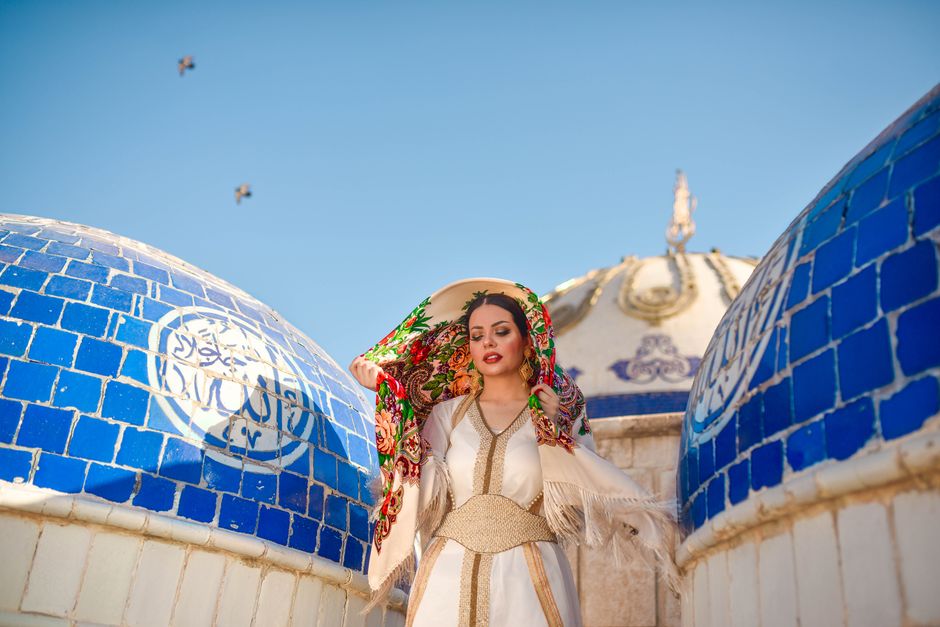
Here’s where Fes pulls decisively ahead. Marrakech has stunning buildings—the Koutoubia Mosque, the Saadian Tombs, the Bahia Palace, the Ben Youssef Madrasa. But most of Marrakech’s monuments are either closed to non-Muslims (the Koutoubia) or heavily restored and curated (the Bahia Palace). You’re looking at architecture from behind a rope.
Fes lets you inside. The Al-Qarawiyyin Mosque and University, founded in 859 CE, is the oldest continuously operating university in the world. Non-Muslims cannot enter the prayer hall, but you can see the courtyard from the gates. More importantly, Fes’s madrasas—the Bou Inania Madrasa, the Al-Attarine Madrasa, the Cherratine Madrasa—are open to visitors. The Bou Inania is the only madrasa in Morocco with a full minbar and a working mosque inside. You can stand in the courtyard and study the zellij tilework, the carved plaster, the cedar wood screens. The craftsmanship is original. Not restored. Not recreated.
The tanneries of Fes are another cultural artifact that Marrakech simply doesn’t have. The Chouara Tannery has operated since the 11th century. Men still stand waist-deep in stone vats filled with pigeon guano and lime, softening hides. It smells like ammonia and death. It’s also one of the few places in the world where you can watch a medieval industrial process happen in real time. The leather shops around the tannery will pressure you to buy. But the view from the terraces is worth the hassle.
Monument Verdict
Marrakech’s monuments are prettier. Fes’s monuments are more meaningful. If you want to understand how Islamic architecture evolved from the Almoravid dynasty to the Marinid dynasty, Fes is the classroom. Marrakech is the gift shop.
Artisan Culture: Where You Can Actually Learn Something
| Artisan Experience | Marrakech | Fes | Winner |
|---|---|---|---|
| Zellij tilework workshops | Rare, mostly demonstrations | Active workshops in the pottery quarter, apprenticeships available | Fes |
| Leather tanning | None | Chouara and Sidi Moussa tanneries, active since medieval times | Fes |
| Carpet weaving | Showrooms, high-pressure sales | Cooperative workshops, women weavers explain symbols | Fes |
| Metalwork and brass | Some shops near the mellah | Seffarine Square, metalworkers hammering since the 9th century | Fes |
| Contemporary art | MACAAL, YSL Museum, numerous galleries | Limited, mostly traditional | Marrakech |
Fes is a working city of artisans. Seffarine Square is not a tourist attraction—it’s a metalworking district where coppersmiths hammer pots the same way their grandfathers did. The pottery quarter near Bab Ftouh produces the zellij tiles that decorate mosques across Morocco. You can watch apprentices cut tiles by hand with a hammer and chisel. No machines. No safety goggles. Just skill passed down for centuries.
Marrakech has artisans too, but they’re increasingly pushed to the margins. The medina’s retail spaces are dominated by imported goods—Chinese lanterns, plastic “Berber” jewelry, machine-made rugs. The real craftsmen have moved to the outskirts or switched to making things for tourists. You can still find quality work in Marrakech, but you have to know where to look. In Fes, the work finds you.
If you want to take a workshop, Fes offers more depth. The American Language Center in Fes runs occasional craft classes. Several riads can arrange a half-day with a zellij master or a leatherworker. In Marrakech, workshops exist but tend toward the “paint a tile in 45 minutes” variety. Fun, but shallow.
Food Culture: Street Food vs. Slow Food
Marrakech wins this round, but not for the reason you think. Jemaa el-Fnaa’s food stalls are a nightly spectacle. Smoke rises from a hundred grills. Men shout over each other to pull you toward their plastic tables. The food is uneven—some stalls serve excellent grilled lamb chops and merguez, others serve reheated tourist slop. But the experience is unmatched. You’re eating in the middle of a medieval carnival that has operated in this exact spot for a thousand years.
Fes’s food culture is quieter and more domestic. The city is known for its slow-cooked dishes: b’stilla, the pigeon pie dusted with cinnamon and sugar; harira, the chickpea and lentil soup that breaks the Ramadan fast; khlii, preserved beef confit that predates refrigeration. These dishes are harder to find in restaurants. They’re home food. To taste real Fassi cuisine, you need to eat in a riad where the cook learned from her grandmother, or get invited to a family home. That’s rare for tourists, but some riads—like Riad Fes or Dar Roumana—serve excellent traditional menus.
For a culture buff interested in food history, Fes’s cuisine tells a deeper story. The city was a crossroads for Andalusian refugees, Arab scholars, and Berber traders. The food reflects that layering. Marrakech’s food, by contrast, has been shaped by tourism. You’ll find more international restaurants, more fusion, more Instagram-friendly presentation. Good food, but less historical weight.
When to Choose Marrakech Instead
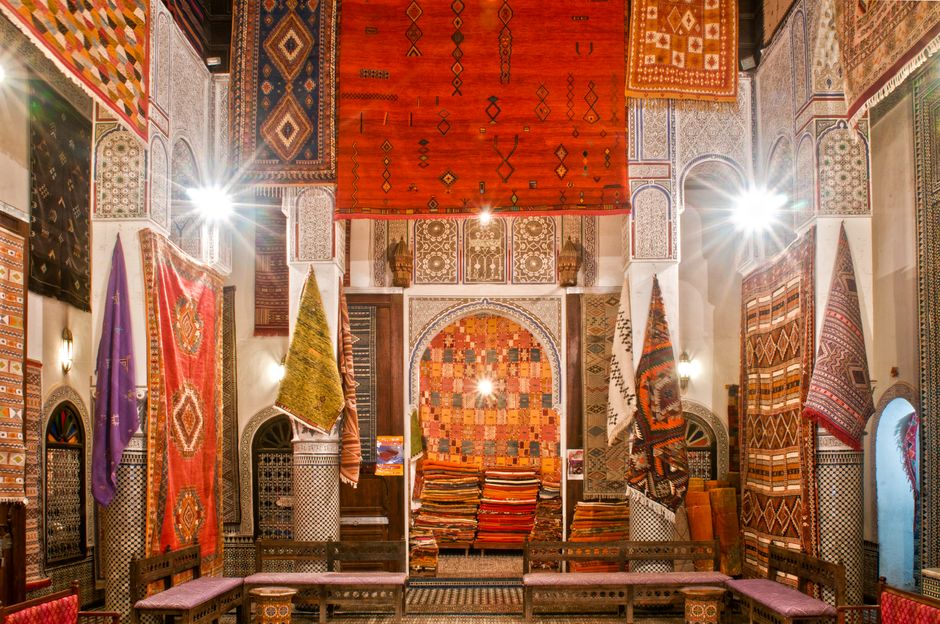
Fes is not for everyone. If you have limited time—say, three days in Morocco—Marrakech is the more efficient choice. You can see the Saadian Tombs, the Bahia Palace, the Majorelle Garden, and the YSL Museum in a single day. The city is compact, the taxis are plentiful, and the infrastructure is built for tourism. Fes demands more patience. The medina is exhausting. The monuments are spread out. The tanneries smell. If you’re traveling with kids or older relatives, Fes’s steep alleys and donkey traffic can be physically challenging.
Marrakech is also the better base for day trips. The Atlas Mountains are an hour away. Essaouira is a three-hour drive. The Agafay Desert offers luxury camps with pools and cocktails. Fes is more isolated. Day trips to Meknes, Volubilis, and Moulay Idriss are excellent, but they’re not as polished as Marrakech’s excursions.
And if you want contemporary culture—modern art, design, fashion—Marrakech is the clear winner. The MACAAL museum, the Yves Saint Laurent Museum, the galleries in Gueliz. Fes has almost nothing in this category. The city’s cultural wealth is historical, not contemporary.
The single most important takeaway: Fes is the better city for culture buffs who want depth, craft, and historical immersion; Marrakech is the better city for travelers who want cultural highlights without sacrificing comfort and convenience.