
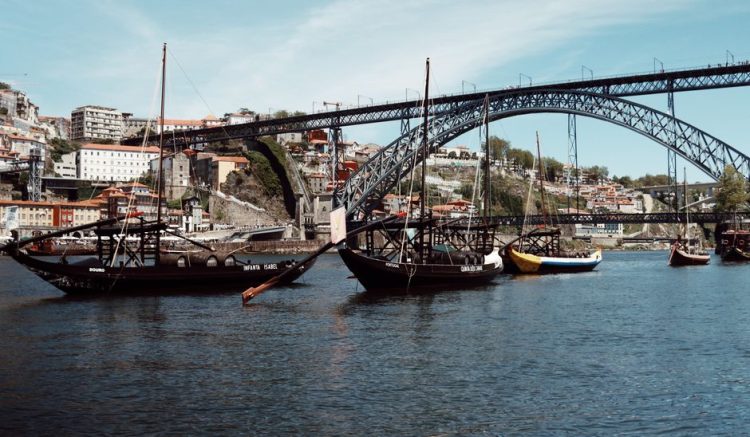
Porto is worth visiting in winter if you want lower crowds, shorter queues, and a compact city that still works in bad weather. The right plan is three nights, one major indoor attraction each day, and a walking route that does not force you across the steepest streets in the rain. A realistic 2026 budget is about €270 to €480 per person before flights, assuming two people share a room and choose comfortable but not luxury accommodation.
Winter is not Porto at its warmest. Expect damp air, slippery paving, early sunsets, and occasional rain. You also get quieter riverfront streets, easier restaurant bookings, and a better chance to see the city without a tour group blocking every viewpoint.
How should you structure a 3-day Porto winter itinerary?
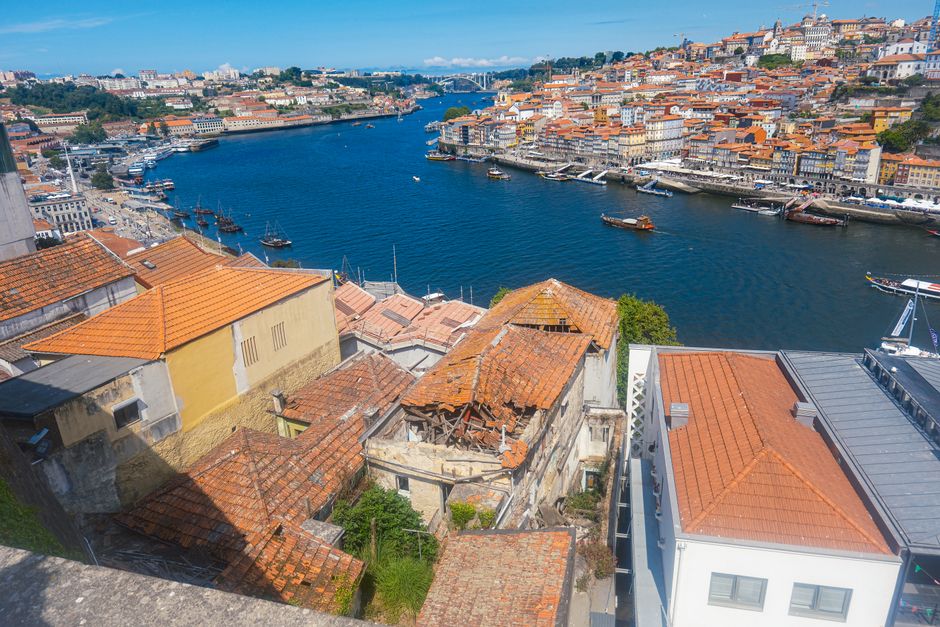
The best schedule groups nearby sights and leaves one indoor replacement for every exposed outdoor block. Porto’s hills punish rushed planning. A map may show a short distance, but wet cobbles and stairways make a 25-minute route feel like a serious climb.
Day 1: São Bento, the cathedral, and Ribeira
Start at São Bento station, then walk uphill to Porto Cathedral and the cathedral cloister. The combined cathedral, cloisters, museum, and tower ticket is listed at €4 for adults, with a €3 student price. Continue downhill through the historic centre to Ribeira. Save the riverfront for daylight because the views are better and the paving becomes less comfortable after rain.
For lunch, plan €12 to €18 per person for a casual meal. Avoid stacking the cathedral, Livraria Lello, and a long Douro walk into the same morning. That schedule looks efficient on paper and feels exhausting by noon.
Day 2: Gaia cellars and an indoor afternoon
Cross the Dom Luís I Bridge on foot if the weather is dry, then choose one guided Port wine cellar visit in Vila Nova de Gaia. The point is not to visit every cellar. One focused tasting gives you enough context about ruby, tawny, and white Port without turning the afternoon into a tour-price contest.
When rain arrives, use the Palácio da Bolsa as the anchor. Its mandatory guided visit lasts about 30 minutes, runs in several languages, and the official adult price is €14. Add São Francisco Church or a long café stop rather than another paid attraction. The best winter day is not the day with the most admissions; it is the day with enough empty space to stay warm.
Day 3: Choose one side of the city
Pick Serralves and the western side for contemporary art, gardens, and a quieter pace, or choose Foz for the oceanfront and tram views. The Serralves Foundation’s full ticket is €24 for non-residents and includes the museum, park, villa, treetop walk, and cinema. It is good value only if you will spend at least two hours there. If the forecast is dry, walk from the gardens toward the coast. If it is wet, stay inside and finish with dinner near the centre.
Verdict: The winning itinerary has two major sights and one flexible block per day. More than that creates a rushed trip, not a richer one.
What should you pack for Porto in winter?
Pack for wet pavement, changing temperatures, and buildings that may feel cooler inside than expected. A heavy suitcase is a mistake because Porto’s central streets include steep slopes, steps, and uneven stone.
- Waterproof shoes come first. Choose shoes with grip rather than smooth leather soles. Trainers that absorb water will make a short walk miserable after one shower.
- Bring a light waterproof jacket with a hood. An umbrella helps on calm days, but wind near the river can turn a cheap umbrella inside out.
- Use layers instead of one thick coat. A base layer, sweater, and shell work better when a restaurant is warm and the street is cold.
- Carry a small power bank. Winter sightseeing involves navigation, ticket confirmations, restaurant messages, and occasional timetable checks.
- Keep a dry backup pair of socks in your day bag. This is a low-cost fix for the most common winter comfort problem.
- Choose a small cross-body bag with a secure zip. It is easier to manage on crowded buses, viewpoints, and narrow restaurant aisles.
Do not pack for a fantasy version of Porto. Sandals, thin canvas shoes, and a large rolling case are poor choices for wet cobbles. You also do not need specialist hiking gear for the centre. A waterproof everyday shoe with a firm sole is enough.
Plan your clothing around the afternoon, not the morning. The city can feel mild in sunshine and cold within minutes of a shower. A hat is useful, but a hood gives better protection when the rain is horizontal.
One more failure mode is overloading each day with fixed reservations. If rain delays your first walk, three non-refundable tickets can turn a small weather problem into a large budget problem. Reserve one timed attraction per day and leave the rest movable.
Verdict: Waterproof footwear, a hooded shell, and flexible layers matter more than expensive travel equipment. Spend the money on comfort you will use every hour.
Which Porto tickets and transport passes are worth paying for?

Porto’s transport system is inexpensive, but the ticket zones confuse visitors. The best choice for most three-day visitors is contactless payment or a small number of Andante journeys, not an oversized sightseeing pass.
Should you use Andante contactless payment?
For eligible stations and stops, contactless Visa or Mastercard travel costs the Z4 fare of €2.30 per journey and remains valid for 1 hour and 15 minutes on the covered Metro do Porto and STCP services. The system applies a daily maximum of €7.75 after four or more journeys. This is the cleanest option for airport arrivals and occasional rides, provided your bank does not charge a foreign transaction fee.
Is the Livraria Lello Ticket-Voucher good value?
The official Livraria Lello Ticket-Voucher costs €15.95 and can be redeemed against a book from Livraria Lello Editions. It is not a free entry ticket, but the credit makes the fee less painful if you actually want a book. Skip it if you dislike crowded interiors or are visiting only for a quick photograph. The building is attractive, but the queue and timed-entry rules reduce the sense of discovery.
Which paid attractions deserve the money?
Palácio da Bolsa at €14 is my stronger paid-sight pick because the guided tour gives context and lasts long enough to justify the admission. Serralves at €24 is the better choice for visitors who enjoy contemporary art and gardens. The FC Porto Museum and Stadium Tour is listed at €25 for general adult admission, but it is a niche purchase that makes sense mainly for football supporters.
Do not buy every pass automatically. Compare the attractions you will actually enter with individual ticket totals, transport needs, and opening hours. A discount card that saves €3 but pushes you toward places you did not want to visit is not a saving.
Bottom Line: Use Andante for transport, buy Palácio da Bolsa for architectural history, choose Livraria Lello only if the book credit appeals to you, and reserve Serralves or FC Porto for a clear personal interest.
What should a 3-day Porto trip cost in 2026?
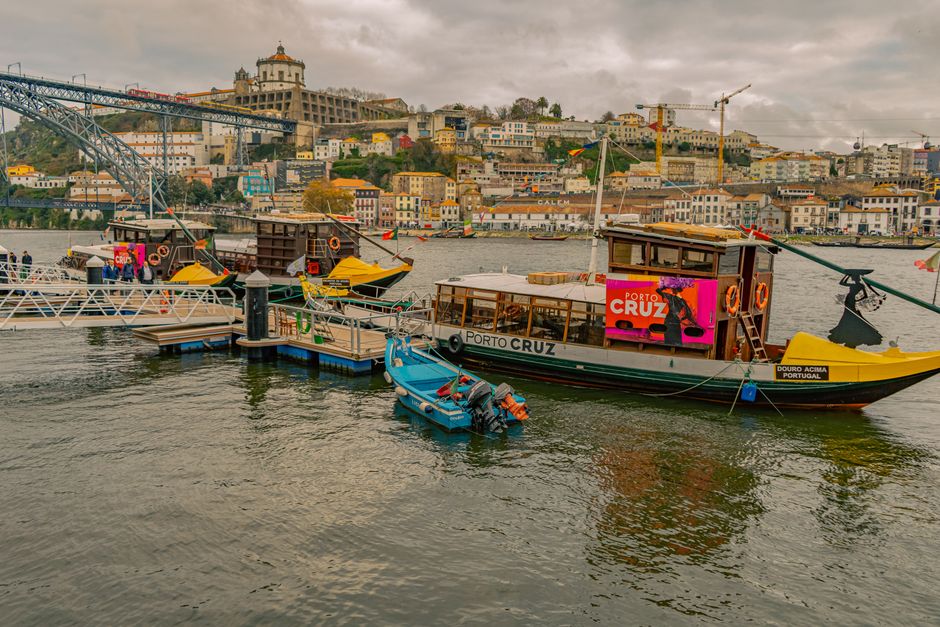
For two adults sharing a room, I would budget €270 to €480 per person before flights. That range is wide because accommodation changes sharply around Christmas, New Year, weekends, and major football fixtures. Treat it as a planning range, not a guaranteed quote.
| Expense | Lean but realistic | Comfortable mid-range |
|---|---|---|
| Three nights shared room | €120 per person | €225 per person |
| Meals and coffee | €90 | €150 |
| Local transport | €18 | €30 |
| Attractions | €25 | €60 |
| Small extras | €15 | €30 |
| Total before flights | €268 | €495 |
The lean version uses a simple guesthouse, casual lunches, one or two paid sights, and mostly walking. The comfortable version assumes a well-located three-star or modest four-star room, sit-down dinners, and several admissions. Add €20 to €35 per person for airport transfers, depending on your route and transport choice.
If you use a travel credit card, check the foreign transaction fee before departure. A card with a 0% fee and no annual fee is preferable for a short trip, but some cards charge annual fees from €0 to €95. Promotional purchase APRs may range from 0% for a limited period to roughly 19.99% to 29.99% variable APR afterward. Carrying a balance to fund a weekend away can cost more than the trip’s entire transport budget. This is not financial advice.
The main mistake is treating every low-season price as automatically cheap. December holiday dates can be expensive, while a wet Tuesday in January may offer much better value. Check cancellation terms, confirm attraction hours, and keep at least €30 per person as a weather buffer.
Bottom Line: For most travellers, a comfortable three-day Porto winter break costs about €350 to €450 per person before flights, and the biggest saving comes from choosing dates carefully rather than cutting food or shelter.
The single most important takeaway is simple: Porto in winter works best when you budget for rain, book only the attractions you truly want, and leave each day enough space to move at the city’s pace.