
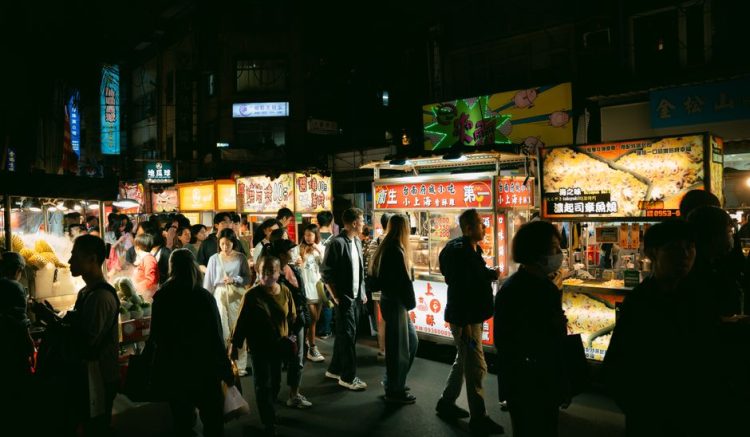
Most travelers assume street food in Thailand is a gamble. One bad pad thai and you’re glued to a hostel toilet for two days. The truth? Locals eat from the same stalls every single day without getting sick. The problem isn’t the food — it’s not knowing which signals matter and which ones don’t.
1. Three Visual Cues That Predict a Safe Stall
Before you order anything, spend 30 seconds looking at the stall itself. These three signals filter out 90% of risky options.
High turnover of customers
A stall with a constant queue of Thai locals isn’t just popular — it means ingredients are moving fast. Nothing sits out for hours. If you see a crowd at 1 PM for khao man gai (chicken rice), that chicken was cooked that morning. Empty stalls with pre-cooked food sitting under plastic wrap are the ones to skip.
Open fire or visible high heat
Wok-fried noodles over a gas flame at 200°C kill bacteria instantly. Grilled meats over charcoal are equally safe. The danger zone is lukewarm food — curries or soups sitting in a pot without active heat. If you can’t see steam rising, walk past.
Clean hands and separate utensils
Watch the vendor handle money and food. Do they use the same hand for both? Do they grab raw meat then cooked rice with the same tongs? Good vendors use one hand for cash, one for food, or keep a clean towel nearby. This isn’t a luxury — it’s standard practice at any decent stall in Bangkok or Chiang Mai.
One more thing: stalls near tourist landmarks like Khao San Road or Patong Beach often serve smaller portions at higher prices with lower turnover. Walk 200 meters into a side street. Better food, safer handling, half the price.
2. Which Foods to Eat Hot, Which to Skip Cold
Heat is your best defense. But not all street food gets cooked right in front of you.
| Food Type | Safe to Eat | Why |
|---|---|---|
| Grilled meats (moo ping, gai yang) | Yes, always | Cooked over charcoal at 300°C+ right in front of you |
| Stir-fried noodles (pad thai, pad see ew) | Yes | Wok heat exceeds 200°C, cooked to order |
| Som tam (papaya salad) | Yes, if made fresh | Raw ingredients, but prepared on the spot — watch them wash the papaya |
| Pre-cut fruit on ice | Risky | Ice may be tap water. Fruit sits exposed for hours |
| Lukewarm curries from a pot | Skip | Below 60°C for over 2 hours = bacterial growth |
| Bottled drinks with no seal | Skip | Refilled bottles are common. Always check the plastic ring is intact |
Stick to food cooked in front of you. If it’s been sitting under a heat lamp or in a glass case without active heat, don’t risk it. The exception is fresh spring rolls or som tam made to order — but only if you see the vendor wash the produce first.
3. Two Apps That Reduce Your Risk Instantly
Your phone can do more than take photos of mango sticky rice.
Google Maps reviews — Search for the stall name plus “local” or “recommend.” A stall with 200+ reviews averaging 4.3 stars from Thai-language accounts is almost certainly safe. Filter by “most recent” to check if anything changed in the last month. If you see photos from 2026 that show a different vendor, skip it.
Grab Food — This is the Uber Eats of Thailand. Open the app, search for the market you’re at, and look at the top-rated street food vendors nearby. The ones with hundreds of orders and 4.8+ ratings are safe. Bonus: you can order delivery to your hotel if you want zero contact with street conditions.
One practical trick: open Google Maps, type “street food near me,” and sort by rating. The top results in Bangkok like Thipsamai Pad Thai (Phra Nakhon) or Jok Prince (Yaowarat) have been operating for decades. They’re famous because they’re consistent, not because they’re tourist traps.
4. The One Thing Most Travelers Get Wrong About Ice and Water
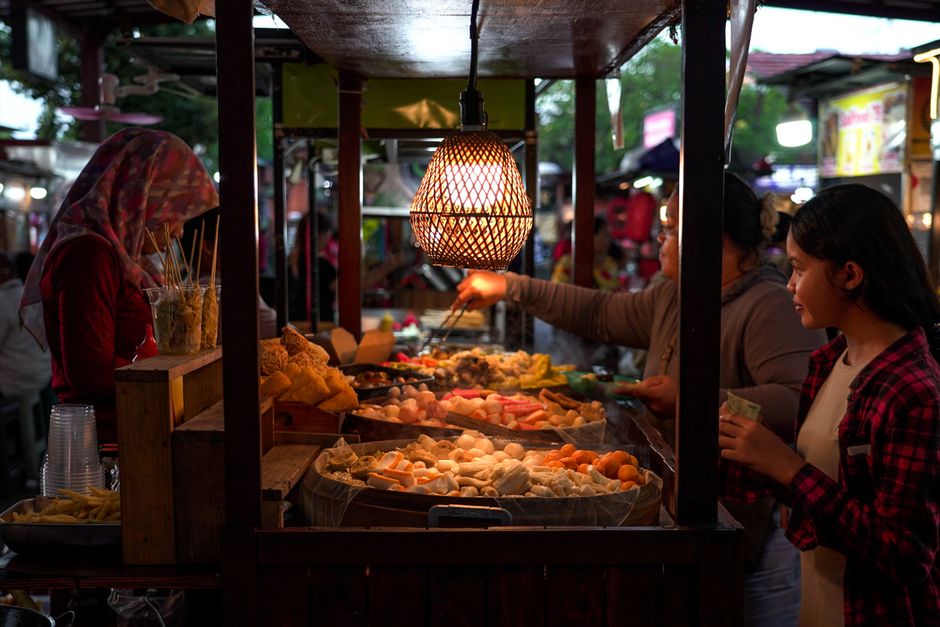
Here’s the misconception: “Ice in Thailand is made from tap water, so avoid it.”
That’s false for 99% of stalls. Ice in Thailand is delivered by industrial ice companies like Sermsuk or ThaiBev. It comes in sealed plastic bags with a hole in the middle — you’ve seen the iconic donut-shaped ice blocks. That ice is made from filtered, purified water. It’s safer than the water in most hotel taps.
The real risk is drinks served without ice. Warm liquids from a jug that sat out all day can grow bacteria. Iced drinks force the vendor to use fresh ice from a sealed bag. So order your Thai iced tea with ice, not without.
What about the water used to wash vegetables? That’s a different story. Stalls that wash lettuce or herbs under a tap connected to the building’s supply — that water is not filtered. If you see a vendor rinsing cilantro under a hose, the greens may carry bacteria. Stick to cooked vegetables or fruits you peel yourself, like mango or pomelo.
5. When to Skip the Market Altogether (and What to Do Instead)
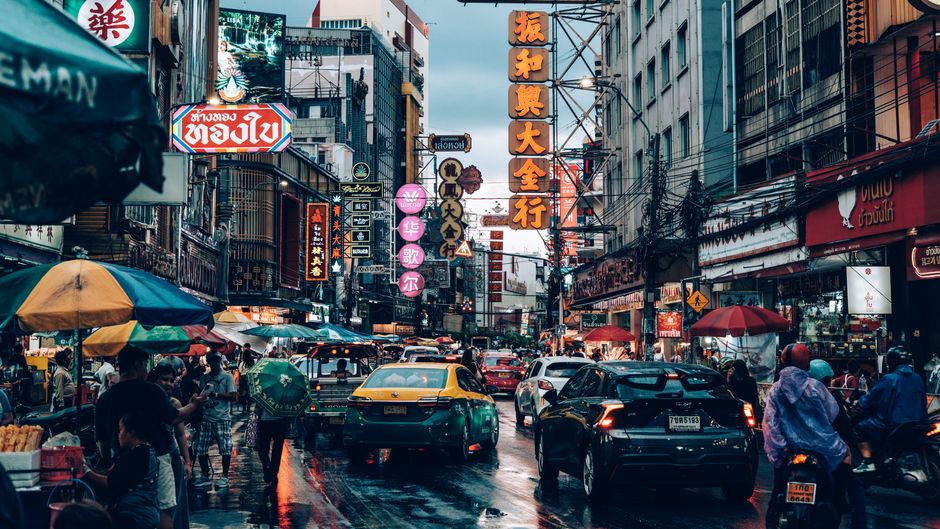
Not every market in Thailand is worth your time or your stomach.
Floating markets near Bangkok like Damnoen Saduak are tourist productions. Boats serve food that’s been sitting in the sun for hours. The canal water splashing onto your plate is not clean. If you want the experience, go early (before 9 AM) and only eat from stalls on land that show high turnover. Better yet, visit Khlong Lat Mayom on weekends — it’s 90% locals, 10% tourists, and the food is cooked to order.
Night bazaars like Chiang Mai’s Sunday Walking Street are great for grilled meats and fresh fruit shakes. But avoid anything that looks like a buffet — fried rice, curries, or noodles sitting in large trays under heat lamps. Those trays are refilled throughout the night, meaning the food at the bottom has been warm (not hot) for 4+ hours.
When you’re unsure, look for stalls that specialize in one dish. A vendor selling only khao soi (northern Thai curry noodles) has dialed in that recipe. They prep fresh broth daily and sell out by 2 PM. A vendor selling 15 different dishes is reheating pre-made portions. Pick the specialist every time.
The single most important takeaway: eat where Thais eat, watch the food get cooked in front of you, and trust high heat over any other safety measure.