
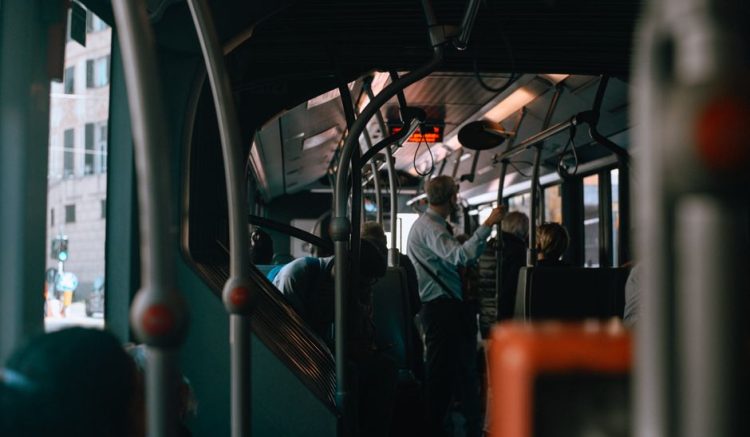
Can you actually navigate Rome’s public transport alone without getting lost, fined, or stranded? Yes. But only if you understand one thing first: Rome’s system is not designed for first-timers. It is designed for Romans who already know which bus goes where, which ticket machine eats cash, and which metro entrance closes at random hours.
This guide covers the real mechanics. Not the fairy-tale version where everything runs on time. You will learn what actually works, what fails consistently, and what you should skip entirely.
The Ticket System: Where Solo Travelers Get Fined Without Realizing It
Rome uses a single integrated ticket system run by ATAC. One ticket works across metro, buses, trams, and some urban trains. That is the good news. The bad news is that the validation rules are stricter than most tourists expect, and inspectors do not care that you are a confused visitor.
A standard BIT ticket costs €1.50 and lasts 100 minutes from first validation. You can switch between metro lines and buses within that window, but you cannot re-enter the metro after exiting. Once you leave the metro turnstiles, the metro portion of your ticket is done. You can still board buses and trams until the 100 minutes expire.
Here is where solo travelers get caught. You must validate paper tickets in the yellow machines on buses or at metro turnstiles. If you board a bus and the validation machine is broken—and this happens often—you are still responsible. Inspectors have fined tourists who held unvalidated tickets, even when machines were visibly out of order. The official rule is that you should ask the driver to note the broken machine. In practice, drivers rarely help.
The smarter move for solo travelers is to skip paper entirely. Download the MooneyGo app or the older TicketApp. Both let you buy and activate tickets digitally. Activation happens on your phone, so there is no machine to fight with. The app shows a QR code that inspectors can scan. This removes the single biggest failure point for first-timers.
Which Ticket Should You Buy Alone?
If you are in Rome for 3 days and plan to use transport heavily, the 72-hour pass at €18 is the best value. It covers unlimited metro, bus, and tram rides for 72 hours from first use. The Roma Pass at €36.50 for 72 hours adds free entry to two museums and discounts on others, but only makes sense if you actually visit those museums. Do the math before buying. Many solo travelers buy the Roma Pass for transport and never use the museum benefits, which means they overpaid by about €18.
For a single day of light travel, two BIT tickets at €3 total beat the 24-hour pass at €7. You will rarely take more than four rides in a day unless you are crisscrossing the city repeatedly.
Where Tickets Fail You
The ticket machines at Termini Station and major metro stops often reject foreign contactless cards. Carry a small amount of cash as backup. The machines also run out of change. A €20 note for a €1.50 ticket can leave you stuck if the machine refuses to dispense coins. Use the app or carry exact change.
Metro Lines: The Only Part of Rome Transport That Makes Sense
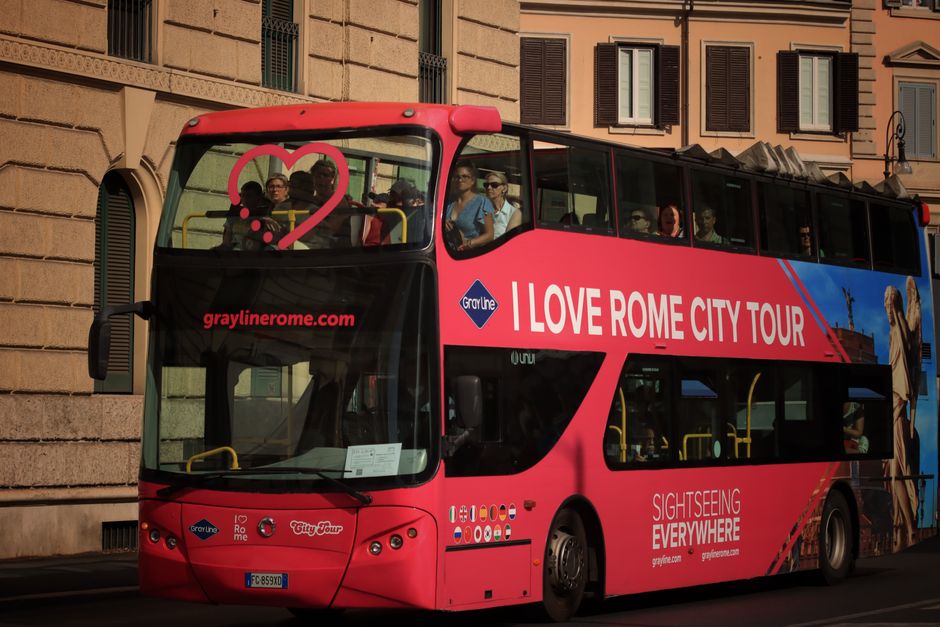
Rome has three metro lines: A (orange), B (blue), and C (green). For a solo first-timer, the metro is the most predictable part of the system. Trains run roughly every 3-5 minutes during peak hours and every 7-10 minutes off-peak. The lines close around 11:30 PM on weekdays and 1:30 AM on weekends, so plan your return accordingly.
Line A runs from Battistini to Anagnina and serves the Vatican area (Ottaviano or Cipro stops), the Spanish Steps (Spagna), and Termini. Line B runs from Rebibbia/Jonio to Laurentina and serves the Colosseum (Colosseo), Circo Massimo, and Piramide. Line C is mostly useful for reaching Pigneto and eastern suburbs, not for tourist sites.
The main failure mode on the metro is elevator and escalator outages. Stations like Spagna and Barberini have long escalator runs that are frequently out of service. If you have heavy luggage, this becomes a serious problem. Termini’s transfers between lines involve long underground walks with stairs. Pack light or budget extra time.
Pickpocketing on the metro is real but manageable. Keep your phone in a front pocket or zipped bag. Avoid holding your phone near the doors. Thieves work the door areas because they can grab and exit before the doors close. The Colosseo and Termini stops are the highest-risk stations.
Metro Verdict for Solo Travelers
If your destination is on a metro line, take the metro. It is faster than buses, easier to understand, and less likely to strand you. The tradeoff is that the metro network covers maybe 40% of the places tourists actually want to visit. Trastevere, much of the historic center, and Villa Borghese are not metro-accessible. You will need buses or walking for those.
Buses and Trams: The Part That Confuses Everyone
Rome’s bus network is extensive but frustrating for first-timers. Buses run on schedules that are more aspirational than accurate. A bus listed as arriving in 5 minutes might arrive in 15 or not at all. The ATAC live tracking in Google Maps is directionally useful but not reliable enough to plan a tight connection around.
Here is what actually works. The tram lines are more reliable than buses because they run on fixed rails and do not sit in car traffic. Tram 8 is the most useful for tourists: it runs from Piazza Venezia to Trastevere and is the easiest way to reach Trastevere without walking. Tram 3 runs through the historic center and connects to the Colosseum area. Tram 19 connects the Vatican area to Villa Borghese.
For buses, the most useful tourist routes are:
- Bus 64 — Termini to Vatican via Piazza Venezia. Historically notorious for pickpockets, but still the most direct route.
- Bus 40 — Express version of the 64 with fewer stops. Faster but still crowded.
- Bus 492 — Connects Tiburtina station to the Vatican area via the historic center.
- Bus 83 — Useful for reaching the Colosseum area from the historic center.
The failure mode with buses is not knowing where to board. Bus stops in Rome are often poorly marked, and multiple routes share the same stop. Google Maps shows the stop location but not always which exact pole to stand at. If you are unsure, ask someone waiting. Romans are generally direct but helpful when asked a specific question like “Does the 64 stop here?” rather than a vague “Which bus goes to the Vatican?”
Night buses run on a reduced network after midnight. The N lines cover major corridors but run infrequently. If you are out late alone, budget for a taxi or walk with awareness rather than waiting 40 minutes at a dark bus stop.
What Solo Travelers Get Wrong: Three Mistakes That Cost Time and Money

Most first-timer mistakes are not about getting lost. They are about assuming Rome’s system works like London’s or Paris’s. It does not. Here are the three most expensive assumptions.
Mistake one: assuming the metro goes everywhere. It does not. The historic center—the area around Piazza Navona, the Pantheon, Campo de’ Fiori—has no metro access. If you book a hotel there thinking you will hop on the metro, you will be walking or taking buses constantly. Walking is often faster than waiting for a bus in central Rome.
Mistake two: buying a Roma Pass without doing the math. The Roma Pass is only worth it if you visit at least two of the covered museums and use transport heavily. If you are only in Rome for two days and plan to walk most of the time, the pass is a waste of money. A 48-hour transport pass plus individual museum tickets is often cheaper.
Mistake three: trusting the last metro time. The last metro train leaves the terminus around 11:30 PM on weekdays. But the last train from a central station like Termini might be earlier. If you are out late, check the specific station’s last train time, not the general system time. Missing the last metro means a taxi or a long night bus wait.
Airport Connections: The One Journey You Should Plan in Advance
Fiumicino Airport (FCO) is connected to central Rome by the Leonardo Express, a direct train to Termini that runs every 15-30 minutes and costs €14 one-way. The journey takes about 32 minutes. This is the most reliable airport transfer option and the one I recommend for solo travelers arriving tired and disoriented.
The cheaper alternative is the regional FL1 train, which costs €8 and stops at several stations including Trastevere, Ostiense, and Tiburtina, but not Termini. This only makes sense if your accommodation is near one of those stations. Otherwise, you will need to transfer, which defeats the purpose after a long flight.
Ciampino Airport (CIA), used by some budget airlines, has no train connection. Buses run to Termini and cost around €6-7. The trip takes 40-60 minutes depending on traffic. Pre-booking a seat on a shuttle bus is worth it during peak arrival times.
Here is the breakdown:
| Route | Option | Cost | Time | Best For |
|---|---|---|---|---|
| FCO to Termini | Leonardo Express | €14 | 32 min | Most solo travelers |
| FCO to Trastevere/Ostiense | FL1 regional train | €8 | 27 min | Those staying near those stations |
| CIA to Termini | Shuttle bus (Terravision, SIT) | €6-7 | 40-60 min | Budget airlines arrivals |
| FCO to city center late night | Taxi (fixed rate) | €50 | 40 min | Arrivals after midnight |
Official taxis from FCO to central Rome have a fixed rate of €50. Do not accept rides from drivers approaching you inside the terminal. They are not official and will charge more. Go to the designated taxi stand outside arrivals.
Walking: The Underrated Transport Option
Here is the truth most transport guides will not tell you: in central Rome, walking is often faster than any bus. The historic center is compact. The walk from the Colosseum to the Pantheon takes about 20 minutes. From Piazza Navona to the Vatican is about 25 minutes. A bus on the same route might take 30 minutes when you factor in waiting time and traffic.
For a solo traveler, walking also removes the pickpocketing risk, the validation confusion, and the schedule uncertainty. The only real downside is fatigue. Rome’s cobblestones are hard on feet, and summer heat makes walking exhausting. Wear proper shoes and carry water.
My rule for Rome: if Google Maps says the walk is under 25 minutes, walk. If it is over 30 minutes or crosses the river twice, consider the tram or metro. Buses are the last resort when no other option works.
Rome’s transport system will not get better in 2026. The metro expansion projects move slowly, and the bus network remains underfunded. What will change is how travelers interact with it: more app-based ticketing, more digital validation, and fewer paper tickets. The fundamentals, though, stay the same. Learn the metro lines, validate your ticket, and walk more than you think you should. That is the entire game.