
You’ve heard the myth: “Bolivia is the cheapest country in South America. You can live like a king on $15 a day.”
I heard that too. Then I tried to book a 3-day Salar de Uyuni tour. The cheapest shared jeep was $180. That’s six days of my supposed budget gone in one transaction.
Here’s the truth: Bolivia can be cheap, but only if you know where the money actually goes. Most backpackers blow their budget on three things: tours, long-distance buses, and altitude sickness mistakes. This guide breaks down real costs for 2026, with exact numbers you can plan around.
Your Daily Budget Breakdown: Where $30 Goes
I tracked every boliviano for three weeks. Here’s what a realistic $30/day looks like. It’s not luxurious. It works.
| Category | Cost (BOB) | Cost (USD) | Notes |
|---|---|---|---|
| Dorm bed (hostel) | 60–80 | $8.50–$11.50 | Includes breakfast in La Paz/Sucre |
| Three meals (market + set lunch) | 50–70 | $7–$10 | Almuerzo ejecutivo = $2.50 |
| Local bus (city) | 2–3 | $0.30–$0.45 | Micros or trufis |
| Long-distance bus (per 100km) | 25–40 | $3.50–$5.75 | Semi-cama, includes snack |
| Water (2L bottle) | 6 | $0.85 | Buy from shops, not tourist stalls |
| Museums/entry fees | 15–30 | $2–$4.30 | Most are 10–20 BOB |
That leaves about $5–$8/day for emergencies, a nicer meal, or a beer. If you want to do the Uyuni tour or a multi-day trek, you need to save ahead or bump your budget to $40–$45/day for that week.
The $180 Trap: Why Tours Wreck Your Budget
Here’s the line item nobody mentions in those “$15 a day” blog posts.
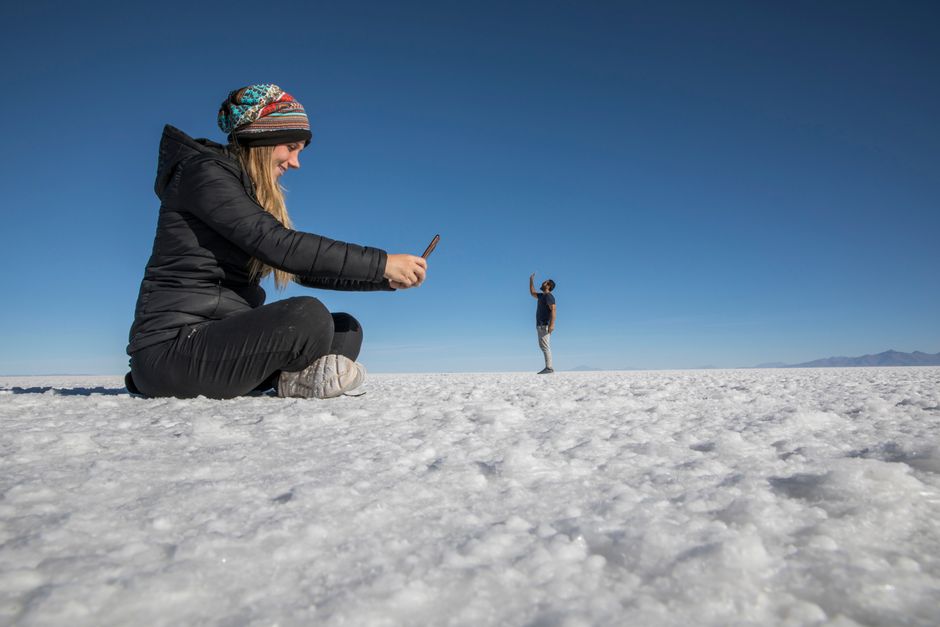
Salar de Uyuni 3-day tour: Shared jeep = $150–$180. Private = $300+. That’s non-negotiable. You can’t do it independently because the salt flat has no roads, no fuel stations, and no cell signal. You need a guide with a 4×4.
Death Road mountain biking: $60–$100 including bike, guide, transport, lunch. Cheaper companies exist, but they use bikes with rim brakes instead of disc brakes. I watched a guy go over the edge in 2019. Pay for Red Planet Bolivia or Gravity Bolivia. They run $90–$100 and use Giant or Specialized hardtails with hydraulic disc brakes. Worth every boliviano.
Amazon jungle trips (Rurrenabaque): 3-day pampas tour = $120–$150. 4-day jungle = $180–$220. These include food, hammock or cabin, guide, boat. You can’t DIY this either.
Verdict: If you plan to do all three big tours, that’s $400–$500 on top of your daily spend. Budget accordingly. Most people skip one. I’d skip the Amazon if you’ve been to Peru or Brazil — it’s similar but less wildlife. The Uyuni tour is genuinely unique.
How to Compare Tour Companies Without Getting Scammed
Ask three questions before booking:
- What vehicle? (Toyota Land Cruiser or Mitsubishi Montero. Not a minibus.)
- Does the price include entrance fees? (Uyuni national park fee = 150 BOB extra, often not included.)
- How many people in the jeep? (6 max. 7 means they’re squeezing.)
Book in person at the tour office, not online. Cash is king — you’ll get a 10–15% discount over card.
Transport: The Second Budget Killer
Bolivia is huge. Getting from La Paz to Uyuni takes 10 hours by bus. From Uyuni to Sucre is another 8 hours. From Sucre to Potosí is 3 hours. You will spend a lot of time and money on buses.
Bus classes and real prices (2026):
- Local bus (micro): 2 BOB per ride. No AC. Crowded. Fine for 20 minutes.
- Flota (standard long-distance): 25–40 BOB per 100km. Reclining seats, toilet, one snack. This is the sweet spot for budget travelers.
- Semi-cama: 50–70 BOB per 100km. Wider seat, more legroom, blanket. Worth it for overnight trips over 8 hours.
- Cama (fully flat): 80–120 BOB per 100km. Only on major routes (La Paz–Santa Cruz). Not worth it unless you’re tall.
My route and bus costs: La Paz → Uyuni (10h, semi-cama, 80 BOB). Uyuni → Sucre (8h, flota, 60 BOB). Sucre → Potosí (3h, flota, 25 BOB). Potosí → La Paz (7h, semi-cama, 70 BOB). Total: 235 BOB ($34). That’s one day of your budget for four bus rides.
Where to Stay: Hostels That Won’t Ruin You
Dorm beds in Bolivia are cheap, but quality varies wildly. I’ve stayed in places with no hot water at 4,000m altitude. That’s not an adventure. That’s hypothermia risk.
La Paz: Wild Rover is the party spot. Dorm = 80 BOB, includes breakfast and a free shot. Loud until 2am. If you want sleep, try Adelita Hostel (70 BOB, quiet, rooftop with views).
Sucre: Hostel Familia (60 BOB, family-run, free tea, hot water). La Dolce Vita (75 BOB, pool, social but not loud).
Uyuni: Hostel Avenida (70 BOB, basic but clean, hot showers). Don’t expect luxury. Uyuni is a desert town.
Copacabana (Lake Titicaca): Hostal Las Olas (80 BOB, private room with lake view — best value in town).
Money-saving trick: Book direct via WhatsApp, not Hostelworld. Hostelworld takes 15–18% commission. Most hostels will knock 10–15 BOB off if you book direct. Ask at reception before you click “book now.”
Food: Eat Like a Local, Not a Tourist
Restaurants on tourist streets charge 40–60 BOB for a pasta dish. Walk two blocks away and the same meal costs 15–20 BOB.
Set lunch (almuerzo): 15–20 BOB ($2–$3). Soup + main dish + drink. Available 12pm–3pm in every town. Look for places with a handwritten menu on a whiteboard. That’s the local price.
Market food: 10–15 BOB. Salteñas (empanadas) = 5 BOB each. Buy two and you’re full. Mercado Lanza in La Paz has a whole floor of food stalls. Lunch for 12 BOB.
Street food: Anticuchos (beef heart skewers) = 5 BOB. Churros with chocolate = 3 BOB. Avoid anything that looks like it’s been sitting out for hours. Use your eyes. If the oil is black, walk away.
Grocery shopping: Bread = 1 BOB. Cheese = 8 BOB for 200g. Tomatoes = 3 BOB. You can make sandwiches for 5 BOB. This is how you stretch your budget on bus days.
Altitude Sickness: The Cost of Ignoring It
La Paz sits at 3,640m. Uyuni is 3,700m. Potosí is 4,090m. If you fly straight into La Paz from sea level, you will feel it. Headache, nausea, shortness of breath. I’ve seen people spend their first two days in the hostel bathroom.
Real costs of altitude sickness:
- Coca tea (mate de coca): 2 BOB per cup. Drink it. It works.
- Sorojchi pills (acetaminophen + caffeine): 15 BOB at any pharmacy. Take one when headache starts.
- Diamox (acetazolamide): 40 BOB for 10 pills. Get it before you arrive. Makes you pee more but prevents severe symptoms.
- Oxygen canister (tourist trap): 50 BOB for 10 minutes of relief. Don’t buy it. Lie down and breathe slowly.
- Hospital visit for severe altitude sickness: 300–500 BOB for consultation + oxygen + meds. Avoidable if you acclimatize properly.
My advice: Spend your first two days in Sucre (2,810m) or Copacabana (3,800m but easier because it’s on the lake). Then go to La Paz. Your body adjusts better with a step-up approach. And drink water. Lots of it. Dehydration mimics altitude sickness and costs you nothing to fix.
When Bolivia Isn’t Cheap: Hidden Costs You Must Plan For
Bolivia is cheap for daily living. It’s not cheap for one-off expenses that hit hard.
Visa fees: US citizens pay $160 cash at the border (La Paz airport or land crossing). Canadians pay $135. Australians pay $95. UK citizens pay nothing. Check your country’s status before you go. That $160 is almost a week’s budget.
Laundry: 15–25 BOB per kilo. You’ll pay 30–50 BOB every 5 days. Hand-wash in your hostel sink to save 50%.
SIM card: Entel or Tigo prepaid = 30 BOB for the SIM + 50 BOB for 5GB data. Lasts two weeks if you don’t stream. Buy at the airport or any corner store.
ATM fees: Banco de Crédito charges 15 BOB per withdrawal. Banco Nacional charges 12 BOB. Withdraw larger amounts less often. 500 BOB ($72) every 5 days = 2.4% fee. Acceptable. 100 BOB every day = 15% fee. Dumb.
Emergency buffer: Keep $100 USD cash hidden in your bag. USD is accepted at exchange houses everywhere. If your card gets eaten by an ATM (happens), you have backup.
The Real Trade-Off: Bolivia vs. Peru vs. Colombia
Bolivia is cheaper than Peru for daily costs (dorm beds in Cusco are $12–$15, not $8). But Peru has cheaper tours — the Inca Trail costs $200 for 4 days, while Uyuni costs $180 for 3 days. Colombia is more expensive for accommodation ($12–$18 for dorms) but has free beaches and cheaper domestic flights.
Bottom line: If your total trip budget is $1,000 for 30 days, Bolivia works. If you have $700 for 30 days, you’ll be miserable skipping every tour and eating only bread. Go to Peru instead — same daily cost but more free things to do (hike, ruins, markets).
That $30/day number is real. I lived it. You can too. Just don’t show up expecting $15/day and a Salar de Uyuni tour. Plan for the big hits, and the rest will take care of itself.