
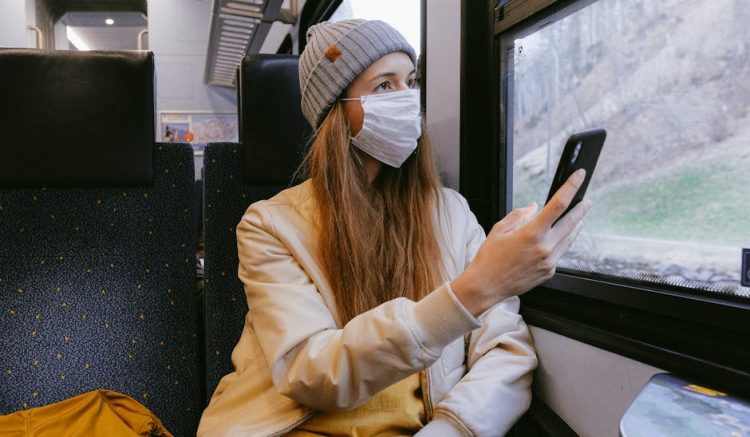
Roughly 80% of solo travelers are women, and a whopping 70% report safety as their top concern. That’s a huge number of people heading out into the world, often for the first time alone, with a gnawing worry in the back of their minds. I get it. I’ve been there. Stepping off a 12-hour bus in a new city, past midnight, phone at 3%, and the hostel directions look like ancient hieroglyphs.
Panic starts to bubble. The street lights are dim, and every shadow feels like a threat. You feel utterly alone, completely vulnerable. That sinking feeling? I know it well. It’s the exact moment you realize that all those “go with the flow” travel mantras sometimes lead you straight into a dark alley of regret. This isn’t about fear-mongering. It’s about being smart. I’ve learned a lot over years of solo trips, often the hard way. Let me share what actually works.
The Real Cost of Winging It: Avoiding Common Pitfalls
I see it constantly. New solo travelers, brimming with optimism, think they can just figure things out on the fly. “It’s part of the adventure!” they’ll say. And yes, spontaneity has its place, but not when it comes to fundamental safety and logistics. I’ve learned to never underestimate the chaos that poor planning can create, especially when you’re the only one responsible for yourself.
The biggest pitfall? Underestimating arrival logistics. Imagine landing in a sprawling foreign airport at 1 AM. You haven’t researched how to get to your accommodation, your phone has no local SIM, and the airport Wi-Fi is spotty at best. Suddenly, every taxi driver looks like a scam artist, and you’re haggling prices in a language you don’t speak. This isn’t adventure; it’s unnecessary stress and a ripe situation for exploitation. Always, always, have your arrival plan locked down: transportation, address, and a backup contact method.
Researching Before You Land
Before your flight even takes off, know your destination. This isn’t just about tourist spots. I mean practical stuff. What’s the local currency? What’s the standard tipping culture? How much should a taxi from the airport realistically cost? Is ride-sharing common and safe? Use resources like Google Maps street view to familiarize yourself with the area around your accommodation. Look for landmarks, identify safe-looking routes. This small investment of time makes a massive difference in confidence and safety. I personally spend at least an hour on this for every new city.
Communication Backup Strategies
Your phone is your lifeline. But what if it dies? Or gets stolen? I learned this the hard way after a phone battery spontaneously died in rural Vietnam. No charging points. No map. Just me and a very confused chicken. Now, I always carry a robust portable power bank, fully charged, capable of reviving my phone at least twice. More than that, I keep physical copies of essential documents: passport, visa, accommodation details, and emergency contacts. A small, waterproof pouch works wonders for these. I also make sure a trusted friend or family member has a copy of my itinerary and knows how to access my important digital files if needed. A quick WhatsApp message before I head out for the day, even if it’s just ‘checking in,’ gives me peace of mind.
Emergency Funds: More Than Just Cash
Don’t put all your eggs in one basket. I always travel with multiple forms of payment. A primary credit card, a backup debit card, and a stash of local currency in various denominations. But here’s the kicker: spread them out. A small amount of cash in your wallet, another stash in a hidden pocket, and a card separate from your wallet. If your wallet gets lost or stolen, you aren’t stranded. I’ve had a wallet pickpocketed in Rome. It hurt, but because I had a backup card and emergency cash hidden away, it was an inconvenience, not a disaster. Think $50-$100 USD equivalent in various spots. It’s not about being paranoid; it’s about being prepared for common travel mishaps in 2026.
My Non-Negotiable Gear for Peace of Mind

People often ask me what I absolutely cannot travel without. My answer isn’t a fancy gadget or an expensive travel pack. It’s a combination of practical, low-tech, and smart digital tools that have saved me from countless headaches and potential dangers. This isn’t about buying a ton of stuff; it’s about making smart choices for specific situations. Don’t skip these, even if you think you’re ‘tough.’
The Power of a Personal Alarm
This is a small, often overlooked item that I consider essential. A personal safety alarm, usually keychain-sized, emits an ear-splitting shriek when activated. It’s not for fighting off an attacker. It’s for attracting attention. And attention is a deterrent. If you feel uncomfortable, are being followed, or sense trouble, a quick pull on this alarm can startle a potential threat and alert people nearby. It costs next to nothing, requires no batteries for ages, and could make all the difference. I carry one clipped to my daypack at all times, ready for quick access.
Offline Maps Are Your Lifeline
Forget relying solely on data or Wi-Fi. I’ve been in too many situations where signals drop, or I’m in an unfamiliar area without connectivity. This is where downloaded offline maps shine. Before you leave a Wi-Fi zone, download the entire city or region you’ll be exploring onto Google Maps. This allows for GPS tracking even without data. Pair this with a small, physical paper map of the area. Yes, a paper map. It’s a great backup, never runs out of battery, and often helps you get a better sense of the overall layout than a zoomed-in phone screen. I always mark my accommodation and key points of interest on the paper map.
VPNs Are Not Just for Netflix
A Virtual Private Network (VPN) is not just for streaming shows that aren’t available in your region. It’s a critical safety tool for solo travelers, especially in 2026. When you connect to public Wi-Fi—at airports, cafes, hostels—your data is vulnerable. A VPN encrypts your internet connection, protecting your passwords, banking information, and personal data from potential snoops. I use one religiously. It’s a small monthly cost for massive peace of mind, knowing my digital footprint is secure when I’m checking bank balances or booking flights on unsecured networks.
Six Rules I Live By When Meeting New People
Solo travel is amazing for the connections you make, but it also means you’re meeting strangers constantly. I’ve made incredible friends on the road, but I’ve also learned to be incredibly discerning. Here are my six non-negotiable rules for navigating new social encounters safely:
- Always Meet in Public: If you connect with someone online or through an app, always suggest meeting in a busy, public place. A cafe, a popular park, a well-known restaurant. Never go to a private residence or a secluded area for a first meeting. It’s non-negotiable.
- Tell Someone Where You’re Going: Even if it’s just a quick text to a friend back home or a fellow traveler you’ve known for a few days: “Heading to X cafe to meet Y at Z time.” This creates a digital breadcrumb trail, and someone knows your whereabouts.
- Trust Your Gut, Always: This is probably the most important rule. If a person, a place, or a situation feels off, it probably is. Your intuition is a powerful, primal safety mechanism. Don’t rationalize away that uneasy feeling. Make your excuses and leave. No need to be polite if your safety is at stake.
- Don’t Share All Your Details Immediately: You don’t need to tell a new acquaintance your exact travel plans, where you’re staying, or your life story on day one. Keep some details private until you’ve established trust. It’s okay to be a little vague about specifics.
- Have an Exit Strategy: Before you even sit down with someone new, think about how you’d leave if you needed to. Where’s the nearest exit? Do you have an excuse prepared? Sometimes it’s as simple as, “Oh, I just remembered I have an early tour tomorrow!”
- Know Your Limits with Substances: When you’re out socializing, especially in a new environment, keep a clear head. Don’t accept drinks from strangers you haven’t seen prepared. Always keep your drink in sight. Knowing your alcohol tolerance and sticking to it is crucial for maintaining situational awareness.
Comparing Digital vs. Analog Navigation for Solo Explorers

Choosing how to navigate can feel like a toss-up between futuristic tech and old-school reliability. As a seasoned solo traveler, I swear by a hybrid approach. Relying on just one method is a gamble. Here’s how I break down the pros and cons of each, helping you decide when to use what:
| Feature | Digital Navigation (e.g., Google Maps) | Analog Navigation (e.g., Paper Map) |
|---|---|---|
| Real-time Updates | Excellent for traffic, public transport, closures. | None; static information. |
| Battery Dependency | High; phone battery is critical. | None; always available. |
| Ease of Use | Intuitive turn-by-turn, searchable. | Requires interpretation, can be cumbersome. |
| Security Risk | Can track location, potential for data harvesting on public Wi-Fi. | No digital footprint, completely private. |
| Cost | Free (with data/Wi-Fi); data plans can be costly. | Low initial cost; often free from tourist info centers. |
| Durability | Fragile device; susceptible to damage/theft. | Tearable but robust, works in all weather. |
| Situational Awareness | Easy to get ‘tunnel vision’ looking at screen. | Encourages looking up, observing surroundings. |
My verdict? Don’t pick one. Use both. Digital navigation is fantastic for dynamic information and quick routing, but it’s a power hog and leaves a digital trail. An analog map forces you to engage with your environment, is always ready, and keeps your head up. I use digital for getting the overall route and timings, then cross-reference with my paper map for key landmarks and general direction, especially in busy areas where I don’t want to stare at my phone. If my phone dies, the paper map becomes my primary tool. This combined approach is the most secure way to navigate in 2026.
What If Things Go Wrong? Your Emergency Action Plan (2026)
No matter how well you plan, travel throws curveballs. The difference between a minor hiccup and a full-blown crisis often comes down to how you react. I’ve had my share of unexpected problems on the road. Here’s how I handle them.
What if my phone dies, and I’m lost?
First, don’t panic. Your brain works better when it’s calm. This is why I always have those offline maps and a paper map. But if even those fail, look for landmarks you recognize from your planning. Find a cafe or a hotel with Wi-Fi to ask for directions or recharge your phone briefly. If you speak a little of the local language, use it. Failing that, use a translation app on someone else’s phone if they’re willing to help. Always look for official-looking personnel: police, airport staff, hotel receptionists. They are usually your safest bet.
How do I deal with aggressive touts or street vendors?
This happens everywhere. My strategy is simple: firm, polite disengagement. A direct, “No, thank you” with a confident stride, avoiding eye contact, usually works. If they persist, repeat “No” and keep walking. Do not engage in conversation, do not explain why you don’t want their service. Engaging gives them an opening. If someone physically blocks your path, make eye contact, clearly state “Please move,” and project confidence. If it escalates, raise your voice slightly and draw attention, but this is a rare necessity. Most just want a quick sale and will move on.
Should I carry self-defense tools?
This is a tricky one. Laws vary wildly by country. In many places, carrying pepper spray or knives can land you in serious legal trouble. My advice? Avoid anything that could be considered a weapon by local authorities. Your best self-defense is awareness, de-escalation, and knowing how to run. A personal safety alarm (as mentioned earlier) is generally legal and very effective at attracting attention without being considered a weapon. Instead of relying on a physical tool, invest in a self-defense class before you go. Knowing how to break free from a grab is far more valuable than carrying something illegal.
What if I get lost in a remote area?
If you’re hiking or exploring off the beaten path, preparation is . Always tell someone your exact route and estimated return time. Carry enough water, snacks, a fully charged phone, and a physical map and compass. If you find yourself truly lost, stay put. Don’t wander further. Signal for help. Three blasts of a whistle is a universal distress signal. If night is approaching, find a sheltered spot and conserve energy. This is where a satellite messenger device, though an investment, becomes invaluable. It allows you to send an SOS even when your phone has no signal. For serious adventurers, it’s a non-negotiable item.
The Single Most Important Safety Tool

All the apps, alarms, and planning in the world can’t protect you if you don’t use your head. The single most important safety tool you possess is your intuition. It’s that gut feeling, that little voice telling you something is off.
Listen to it. Always.
It has saved my skin more times than I can count, pulling me away from questionable situations or people. Trusting that internal compass is the ultimate defense for any solo traveler, in 2026 and beyond.