
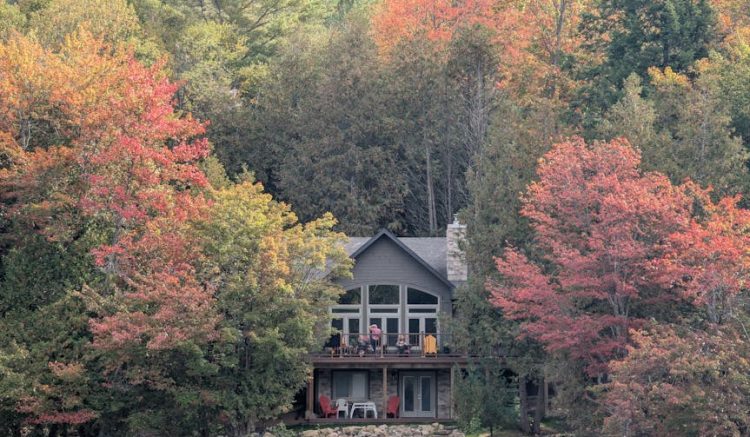
Are you trying to figure out whether Vermont is actually worth the drive — or whether you’ll end up in a crowded leaf-peeper parking lot eating mediocre soup at a farmhouse restaurant? That’s the real question couples ask when they start planning this trip.
Vermont rewards people who plan specifically. The state has enough genuinely romantic options — secluded inns, candlelit farm dinners, empty hiking trails in the morning — that a good weekend here is hard to top in the Northeast. But the difference between a magical trip and a disappointing one often comes down to a few choices most couples get wrong.
Why Vermont Actually Works for a Romantic Weekend
Most romantic destinations offer one thing well. Vermont offers several simultaneously: landscape, food, solitude, and a pace that forces you to slow down. There’s no major city pulling attention away from each other. The towns are small enough that you can’t lose yourselves in a crowd.
The landscape isn’t just pretty — it’s structurally calming. Rolling hills, covered bridges, working farms, maple trees lining every back road. There’s a visual consistency to Vermont that doesn’t exist in the Catskills or Finger Lakes, where industrial zones interrupt the scenery every few miles.
The food situation has improved dramatically over the past decade. Vermont punches far above its weight for a state with under 650,000 people. The farm-to-table movement wasn’t a marketing gimmick here — it came from actual farms. Hen of the Wood in Waterbury ($18–35 per entrée) built a national reputation sourcing from farms within 30 miles. You can eat extraordinarily well for two nights without leaving the state.
The spa culture is legitimately good too. The Woodstock Inn & Resort spa charges around $150–$180 for a 60-minute couples massage and uses locally sourced ingredients. Twin Farms in Barnard offers spa treatments starting around $200 per session. These aren’t generic hotel spas — they’re experiences built to fit the Vermont aesthetic.
One more thing worth knowing: Vermont is genuinely quiet. On a Tuesday in October, you can hike near Stowe and see maybe six other people. That quiet is the thing couples actually come back for.
The Distance Question: Is Vermont Too Far?
From New York City, the drive to Woodstock or Stowe is 3.5 to 5 hours depending on traffic. From Boston, it’s 2 to 3 hours. If you’re coming from farther afield, flying into Burlington and renting a car makes it manageable — Burlington has direct flights from 15+ cities.
The distance pays off if you want actual countryside. The Catskills are closer to NYC but feel more developed. The Berkshires are beautiful but more urban-feeling. Vermont still has the most intact rural character of any Northeast destination within reasonable driving distance of a major city.
When Vermont Loses to Competitors
Vermont isn’t the right call if you want beach access, nightlife, or a trip under $400 total. It’s also a poor fit if one of you hates the cold — even in July, nights in the mountains drop to the 50s. Cape Cod, Block Island, or the Hudson Valley serve those needs better.
The Honest Seasonal Trade-offs
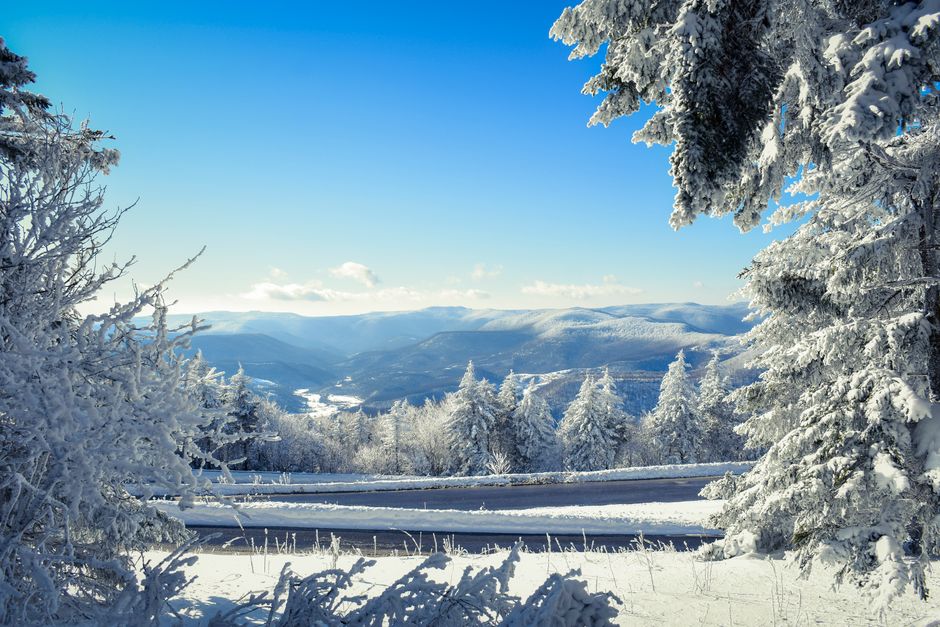
Every season in Vermont has a real upside and a genuine downside. This reflects actual conditions, not tourism brochure language.
| Season | Why to Go | The Real Downside | Book How Far Ahead | Avg Inn Cost (2 nights) |
|---|---|---|---|---|
| Fall (Sept–Oct) | Peak foliage; dramatic color at its best | Crowded; prices spike 40–60% | 6+ months for good rooms | $500–$900 |
| Winter (Dec–Feb) | Skiing Stowe/Sugarbush; cozy inn atmosphere | Cold and icy; some restaurants close midweek | 2–3 months for ski weekends | $350–$700 |
| Spring (Mar–May) | Low prices; maple syrup harvest in March | Mud season is real; trails often closed | 3–4 weeks out is usually fine | $200–$400 |
| Summer (Jun–Aug) | Green hills; hiking; farmers markets in full swing | July 4th weekend near Burlington gets crowded | 4–6 weeks for best inns | $300–$600 |
The clearest verdict: late September is the most beautiful time visually, but early October is overrun. If you want solitude with scenery, late October or early June delivers more value with less competition and noticeably lower prices.
Where to Stay: The Inn Beats the Hotel Every Time
Book a Vermont inn, not a hotel. That’s the single highest-impact decision you’ll make for this trip.
Hotel chains in Vermont feel misplaced. A Marriott Courtyard in Stowe delivers the same beige corridors you’d find in suburban New Jersey. The whole point of Vermont is the particular texture of the place — and that texture lives in the inns and small properties. Here are the three you should know about.
Luxury: The Pitcher Inn, Warren ($600–$900/night)
The Pitcher Inn is the clearest choice for couples who want something genuinely special without going full ultra-luxury. Each of its 11 rooms is themed around Vermont history — the School Room, the Trout Room, the Mountain Room — with serious thought behind every detail. Fireplaces in most rooms. The Mad River runs just below the property. Breakfast is included and the kitchen takes it seriously. It books out fast for fall weekends, so plan 4–6 months ahead if you’re targeting October.
Mid-Range: The Inn at Shelburne Farms ($200–$350/night)
Shelburne Farms sits on a 1,400-acre working farm on Lake Champlain. The inn is an 1887 National Historic Landmark with 24 rooms and genuinely spectacular lake and Adirondack views. Rates vary by room — some share bathrooms (less expensive), others have private facilities and include breakfast. The farm is open for tours, cheese tastings, and walking trails. For couples who care about setting over amenities, this is the best value-to-experience ratio in Vermont.
Splurge: Twin Farms, Barnard ($1,500–$2,500/night)
Twin Farms is one of the top five small luxury properties in the United States by any serious travel metric. Rates are all-inclusive — food, drinks, activities, spa — across a compound of private cottages and cabins deep in the woods. The price is real, and the experience matches it. If you’re celebrating a major anniversary or milestone and budget isn’t the constraint, this is where to do it. Reservations are essential; even spa visits for non-guests require advance booking.
What to Actually Do: Activities That Feel Earned, Not Scheduled
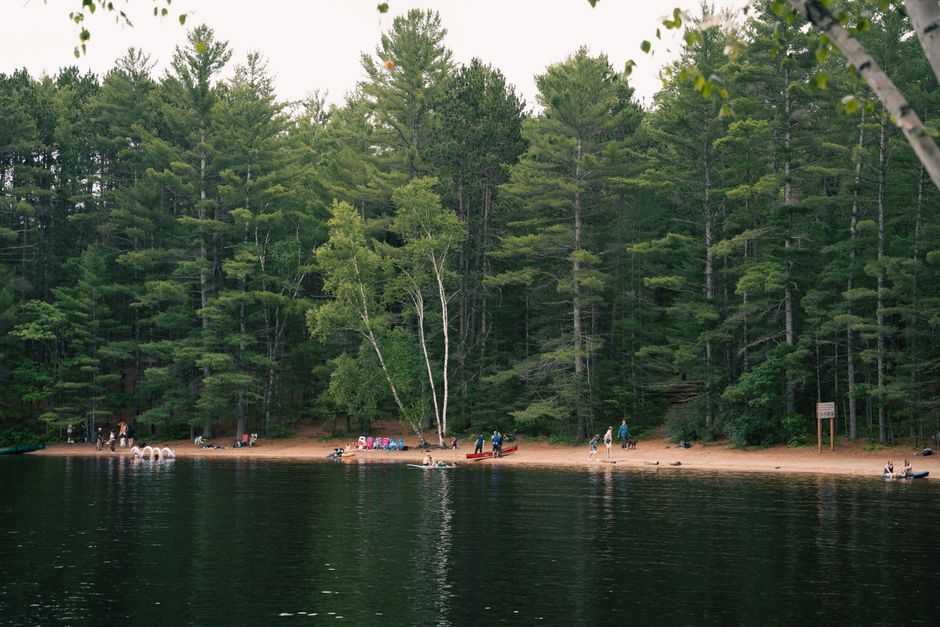
Vermont activities fall into three buckets: the ones everyone does (worth doing), the ones most tourists skip (often better), and the season-specific ones. Here’s the prioritized list.
- Hike Camel’s Hump near Waterbury. Vermont’s most recognizable peak takes 4–5 hours round trip and rewards you with 360-degree views that genuinely reset the brain. Go early — trailhead parking fills by 9am on summer weekends. No technical climbing required.
- Do a cheese or cider route. Grafton Village Cheese in Grafton charges $8–12 for tastings and is the real thing, not a tourist trap. Cold Hollow Cider Mill in Waterbury makes fresh-pressed cider on-site and you can watch the press run on weekends. Hitting both takes about 3 hours on a Saturday afternoon.
- Eat at Hen of the Wood. Located in Waterbury and Burlington, this is the best farm-to-table restaurant in the state. Entrées run $18–35. Reservations book 2–3 weeks out on weekends. Order the wood-fired dishes; skip nothing from the cheese course.
- Visit Hildene in Manchester. The Lincoln family estate charges $25/person and most Manchester visitors skip it entirely for the outlet shopping. The restored Pullman car and the formal gardens alone make it worth an afternoon.
- Kayak Lake Champlain. Burlington Kayak rents from around $20/hour near the waterfront. The lake is calm most summer mornings, and the Adirondack Mountains across the water create a view that’s hard to find anywhere else in the Northeast.
- Ski Stowe or Sugarbush in winter. Stowe Mountain Resort has the highest vertical drop in the East (2,360 feet) and the most consistent snow coverage. Sugarbush in the Mad River Valley is smaller and significantly less crowded — better for couples who want lift lines under 10 minutes. Day tickets run $100–$180 depending on when you book.
- Take the covered bridge drive. Vermont has 100 covered bridges. The concentration around Waitsfield and Middlebury is high enough that you can hit 5–6 in a few hours without it feeling like a forced activity.
Three Mistakes That Kill the Vermont Weekend
Booking foliage-season rooms in August gets you a parking lot view, not a hillside inn. Good October rooms sell out by May. Vermont’s two-lane roads look short on maps — Woodstock to Stowe is 75 minutes on a clear day, longer on a Saturday afternoon, so don’t build an itinerary that crosses the state twice. And small-town restaurants with eight tables don’t hold walk-in spots at 7pm when 40 tourists just arrived. Make dinner reservations before you leave home, not when you get there.
Three Towns Worth Building Your Weekend Around
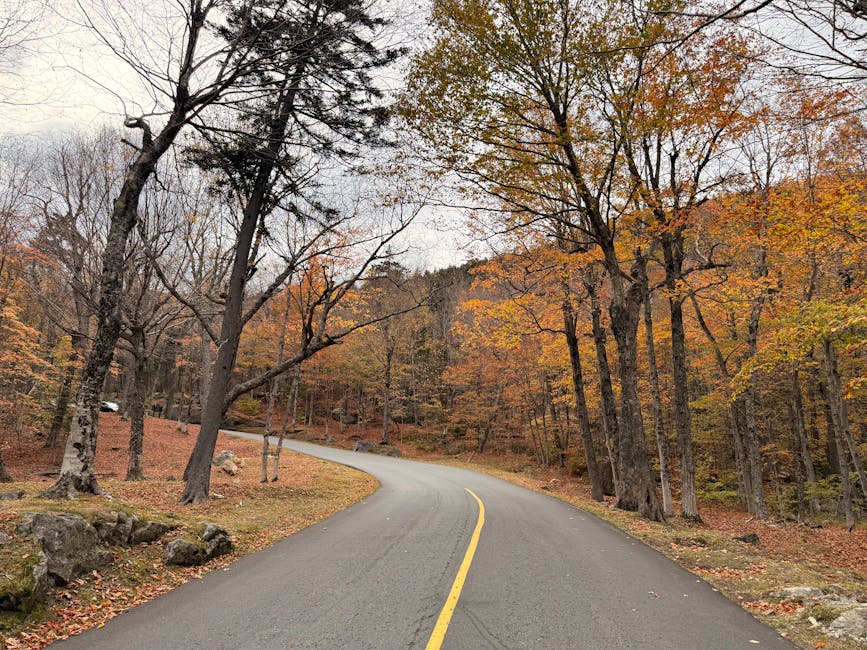
Is Woodstock the Most Romantic Town in Vermont?
For couples who want a walkable, settled destination with strong visual character, probably yes. The town green is genuinely beautiful — Federal-style buildings, a covered bridge within walking distance, the Ottauquechee River running through the center. The Woodstock Inn & Resort ($300–500/night) anchors the town and has a spa, a good restaurant, and an 18-hole golf course. Mon Vert Café handles breakfast, and the inn’s Ransom Tavern handles dinner. Quechee Gorge — Vermont’s so-called Little Grand Canyon — is free and 10 minutes east.
The downside: it’s popular. Summer and fall weekends feel like a curated postcard that everyone else is also visiting. That’s fine if you embrace it; it’s frustrating if you came for solitude.
Is Stowe Better for Active Couples?
Yes, clearly. Stowe has better hiking and skiing access, a wider range of restaurants, and more of a local community feel than Woodstock. The Stowe Recreation Path — 5.3 miles, paved, running through farmland alongside the West Branch River — is perfect for an evening bike ride. Lodging options include the Trapp Family Lodge ($250–500/night, Austrian-style, family-owned since 1950) and the Green Mountain Inn in the village center ($180–350/night). Stowe is the most complete Vermont destination for couples who want both activity and good food on the same trip.
Why Do Couples Keep Going Back to the Mad River Valley?
Because it hasn’t been developed into a tourist product. Waitsfield and Warren are small even by Vermont standards — no chain restaurants, no outlet stores, mostly farms and inns and a farmers market on Saturdays that operates like it’s supposed to, not for social media. The Pitcher Inn is here. Sugarbush Resort is 10 minutes away. If you’ve already done Woodstock and Stowe and want something less polished, the Mad River Valley is the natural next trip — quieter, more local, and arguably more authentically Vermont than either of them.
A Sample Vermont Couples Weekend, Built Around Real Logistics
This itinerary uses Stowe as a base, which puts you within reach of Burlington, Waterbury, and the best hiking without long drives between stops.
| Time | Activity | Location | Cost (per couple) |
|---|---|---|---|
| Friday, 4–7pm | Drive in, check in, walk the village | Stowe | — |
| Friday, 7:30pm | Dinner at Hen of the Wood | Waterbury (20 min from Stowe) | $80–$130 with wine |
| Saturday, 7:30am | Hike Camel’s Hump (Sunset Ridge Trail) | Duxbury | Free |
| Saturday, 1pm | Lunch and cider tasting at Cold Hollow Cider Mill | Waterbury | $15–$30 |
| Saturday, 3:30pm | Couples massage at Woodstock Inn spa or Stowe Mountain Resort spa | Woodstock or Stowe | $200–$350 |
| Saturday, 7pm | Dinner in Stowe village | Stowe | $70–$110 |
| Sunday, 9am | Stowe Recreation Path walk or Waitsfield farmers market (in season) | Stowe or Waitsfield | Free |
| Sunday, 11am | Ben & Jerry’s factory tour | Waterbury | $6/person |
| Sunday, 1pm | Drive home | — | — |
Two nights at a mid-range Stowe inn like the Green Mountain Inn runs $360–$700 depending on season. Add meals ($200–$350), one spa service ($250–$350), and incidentals, and the total lands somewhere between $800 and $1,400 for the weekend. Not cheap — but honest about what Vermont actually costs.
The couples who leave Vermont saying they have to come back are almost always the ones who slowed down — took the morning hike instead of sleeping in, ate dinner early enough to walk back to the inn in the dark, and skipped the outlet mall for one more hour on the porch. You started this planning wondering whether it’s worth the drive. Vermont answers that question, but only if you give it room to.