
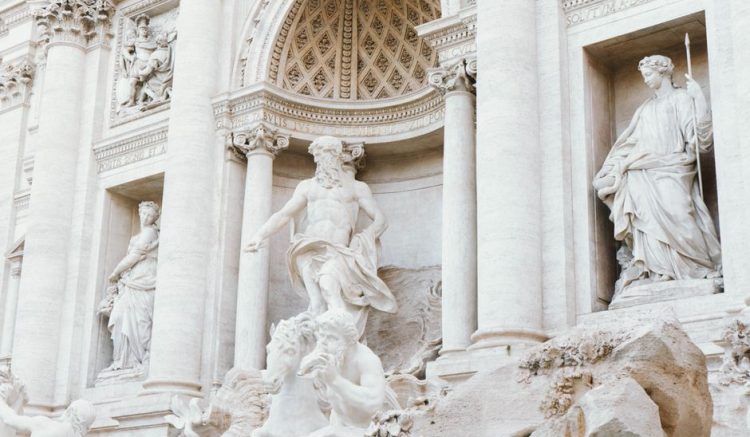
Most people visit Rome and see the same three things: the Colosseum, the Vatican, and the Trevi Fountain. They spend hours in lines, pay €15 for a slice of pizza near the train station, and leave thinking Rome is crowded and overpriced. They’re not wrong — but they’re missing the point. Rome rewards the traveler who knows what to skip, what to book, and where to walk when everyone else is queuing.
Colosseum, Roman Forum, Palatine Hill: The Only Combo Ticket That Matters
Every guide tells you to buy the Colosseum, Roman Forum, and Palatine Hill combo ticket (€18 standard, €24 with an arena floor upgrade). That’s correct. But here’s what they don’t tell you.
The ticket is valid for two consecutive days. Most people cram it into one afternoon and miss half the Forum. Don’t do that. Day one: Colosseum (book the 8:30 AM slot — less heat, smaller crowds) and Palatine Hill. Day two: Roman Forum at 9 AM when it opens, then leave by noon.
The Arena Floor Upgrade Is Worth It
The standard ticket puts you in the stands, looking down. The arena floor ticket (€24, book at least 3 weeks ahead) puts you on the actual ground where gladiators fought. You stand where they stood. The perspective changes everything. The Parco Archeologico del Colosseo official site is the only place to buy this — third-party resellers charge double for the same thing.
What Most People Get Wrong About the Roman Forum
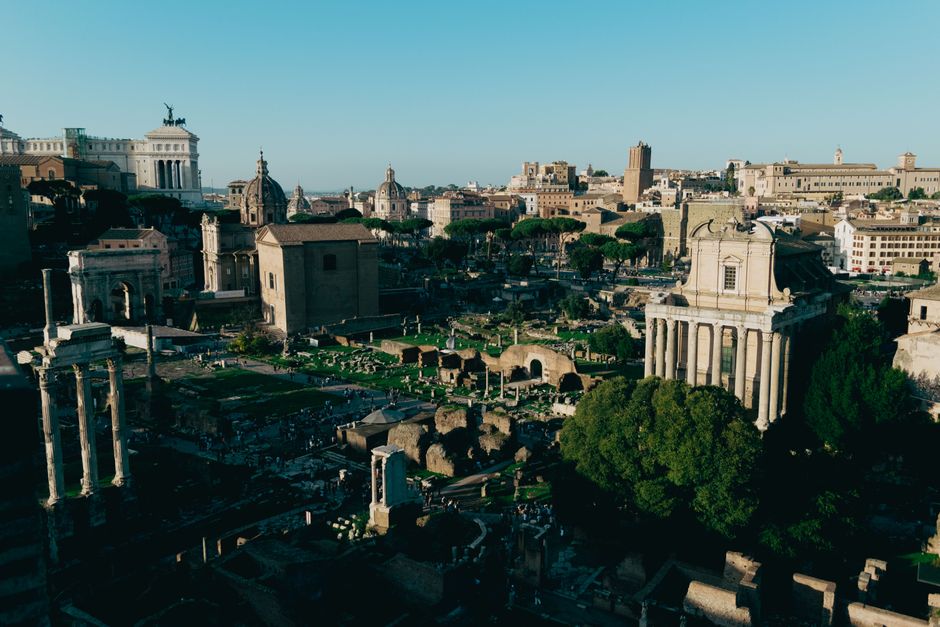
They walk through it in 45 minutes and call it done. The Forum is a mile-long archaeological site with the Temple of Saturn, the Arch of Titus, and the House of the Vestals. You need at least 2 hours. Bring water — there’s one fountain near the Arch of Septimius Severus and that’s it. No shade, no cafes inside. Plan accordingly.
Failure mode: Buying a guided tour that rushes you through all three sites in 3 hours. You’ll see less and pay more. Self-guided is better if you download the free Rick Steves audio tour.
Vatican City: Skip the Sistine Chapel Line. No, Really.
The Vatican Museums hold 70,000 works of art. The Sistine Chapel holds Michelangelo’s ceiling. The line to get in holds 2,000 people and takes 90 minutes on a good day. You don’t need to wait in it.
Book the Vatican Museums early morning ticket (€31, 7:30 AM entry). You walk past the entire queue. You’re inside before the crowds hit. You see the Raphael Rooms and the Gallery of Maps with maybe 20 other people. By 9:30 AM, the tour groups arrive. You’re already in the Sistine Chapel, looking up.
| Option | Price | Wait Time | Verdict |
|---|---|---|---|
| Standard ticket, walk-up | €17 | 60-120 min | Skip this |
| Early morning ticket | €31 | 0 min | Best value |
| Guided tour, skip-the-line | €55+ | 5-10 min | Fine if you want a guide |
| Friday night opening | €31 | 0 min | Best for empty halls |
St. Peter’s Basilica Is Free. The Dome Climb Is Not.
Entry to St. Peter’s is free. The line moves fast — 20 minutes max. Go after the Museums (around 11 AM) and the line is shorter. Inside: Michelangelo’s Pietà, Bernini’s baldachin, and the bronze statue of St. Peter with the worn-down foot from centuries of touching.
The dome climb (€8 elevator to the roof, then 320 steps; €6 all stairs, 551 steps) is the best view in Rome. Do the elevator version unless you hate your knees. The stairs narrow toward the top — claustrophobic people should know the last section is a spiral with barely shoulder-width clearance.
When NOT to go: Wednesday mornings (Papal audience closes St. Peter’s until 1 PM) and Sunday (Masses until noon). Check the Vatican website before you plan.
Trastevere: Where Rome Actually Lives
Cross the Tiber River to Trastevere. The streets narrow. The laundry hangs between buildings. Old men sit on benches and argue about soccer. This is the Rome that doesn’t know it’s a tourist destination — but it is, and it works.
Skip the restaurants on the main square (Piazza di Santa Maria in Trastevere — €12 for a margherita pizza, mediocre). Walk two blocks east to Via del Moro. Find Da Tonino (no sign, look for the red awning). €7 for a plate of cacio e pepe. Cash only. No menu in English. That’s the point.
Trastevere at night is different. The crowd gets younger, louder, drunker. If you want quiet, go for lunch. If you want energy, go at 9 PM. Both are valid.
The One Mistake Tourists Make in Trastevere
They eat at the first restaurant they see. The ones with the laminated menus outside and the waiter waving you in. Those are traps. Walk deeper. If the menu is in five languages, keep walking. If they have a picture of the food, keep walking. If the pasta costs €9 or less and the place is full of Italians, sit down.
Pantheon, Trevi Fountain, Spanish Steps: Quick Hits With Specific Timing
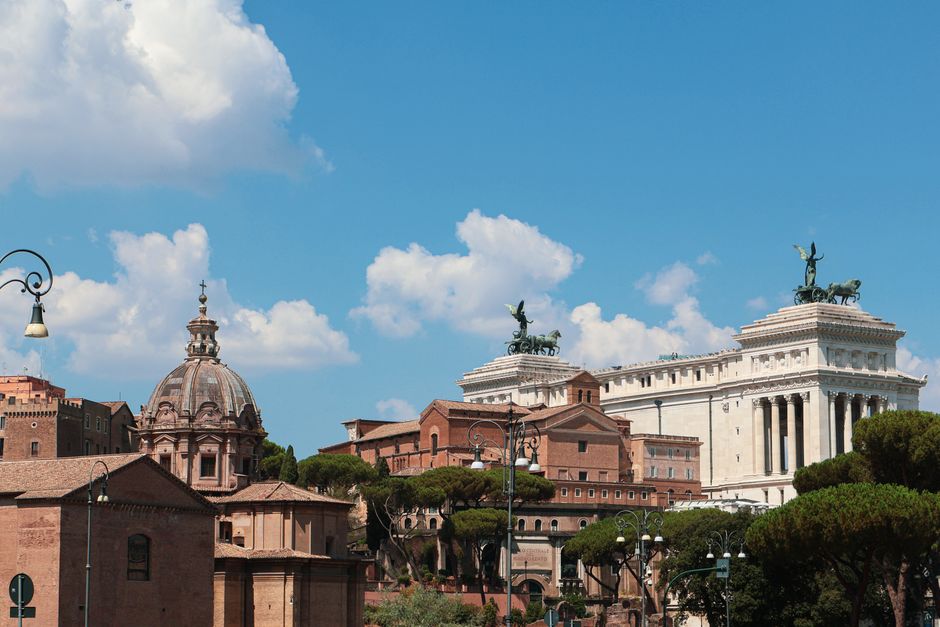
These three get lumped together in every walking tour. They’re close to each other (20 minutes on foot between all three). But they have very different rules.
Pantheon — Go at 8:30 AM
The Pantheon opens at 8:30 AM. Be there at 8:25. You’ll walk straight in (€5, book online). The oculus beams light onto the marble floor. The dome is still the largest unreinforced concrete dome in the world — 43.3 meters across. By 9:30, the tour groups arrive and it’s shoulder-to-shoulder. You have one hour of peace. Use it.
Trevi Fountain — Go at 6 AM
I’m serious. Set an alarm. Walk there in the dark. The fountain is lit, the water is loud, and you’ll share it with maybe 10 other people. Throw your coin (right hand over left shoulder, if you want the legend to work). Take your photo. Leave before 7 AM when the first tour buses unload. By 10 AM, you can’t get within 10 feet of the water.
Spanish Steps — Skip the Climb
138 steps lead to a church (Trinità dei Monti) and a view. The view is fine. The steps are always packed with people sitting and eating gelato. Worth a photo from the bottom. Not worth the climb unless you need the exercise. The real value here is the Borghese Gallery, a 10-minute walk uphill — but that’s a separate ticket and a separate day.
Alternative to the Spanish Steps: Walk five minutes to the Keats-Shelley House (€6). Quiet. Small museum where the poet John Keats died. Better view of the steps from the window. No crowds.
Borghese Gallery and Castel Sant’Angelo: The Two Best Book-Ahead Sites
These two require planning. You can’t walk up and buy a ticket. But they’re worth the effort.
Borghese Gallery — Exactly 2 Hours, Exactly 13 People Per Room
The Borghese Gallery limits visitors to 13 people per room per 2-hour slot. Tickets are €15, and they sell out 2-3 weeks in advance. Book on the official website (ticketeria.it). You’ll see Bernini’s Apollo and Daphne — the marble transforms into leaves in front of you — and Caravaggio’s David with the Head of Goliath. The building itself is a villa with frescoed ceilings. It’s intimate. It’s quiet. It’s the opposite of the Vatican Museums.
Failure mode: Arriving late. The slot is strict. Miss it, and you lose the ticket. No refunds. No exceptions.
Castel Sant’Angelo — Sunset, No Contest
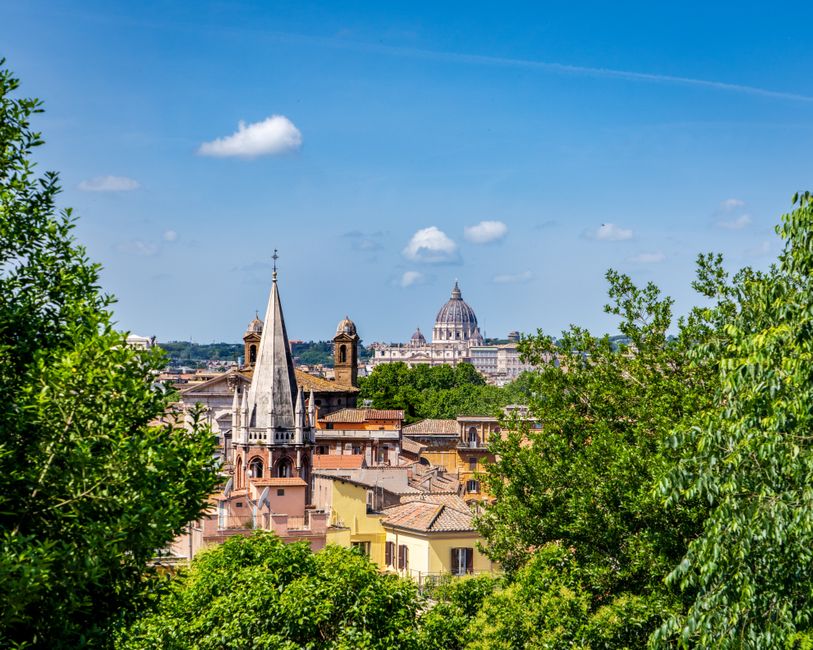
Castel Sant’Angelo was a mausoleum for Emperor Hadrian, then a fortress for popes, then a prison, now a museum. The ticket (€16) gets you through the spiral ramp, the papal apartments, and the roof terrace. Go at 5 PM. Buy the ticket online to skip the line. The roof terrace opens onto a 360-degree view of Rome — St. Peter’s dome, the Tiber, the Vittoriano. Sunset hits at 6:30-7 PM depending on the month. Stay for it.
Skip the audio guide. The signage is good enough. The Passetto di Borgo (the secret corridor connecting the Vatican to the castle) is closed to the public — don’t believe anyone who says they can get you in.