
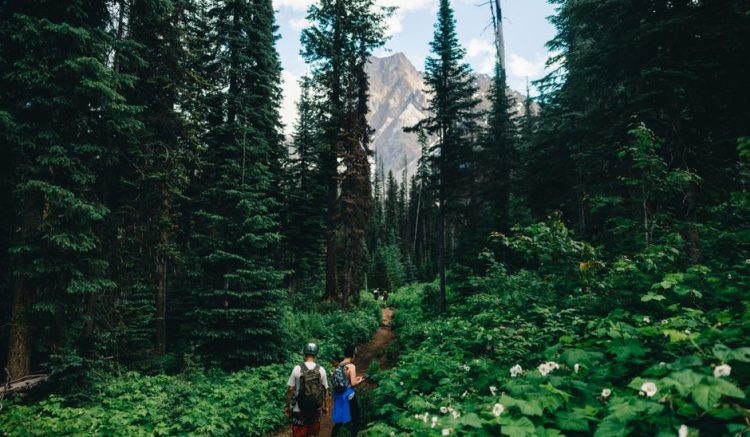
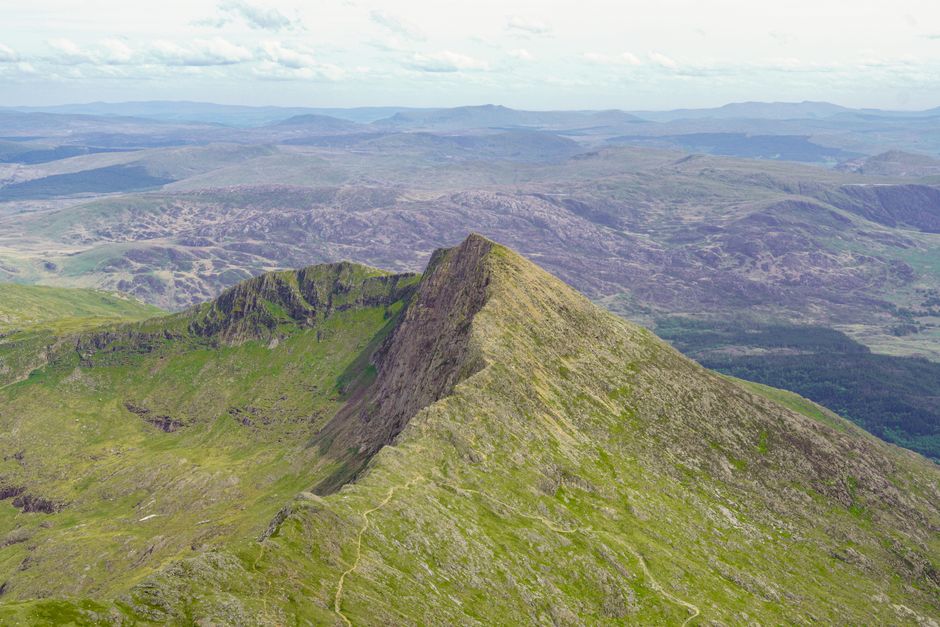
Here’s a number that stopped me mid-stride: the UK has over 140,000 miles of public footpaths, bridleways, and trails. That’s enough to walk from London to Sydney and back — twice. I’ve covered maybe 500 of those miles over the last five years, from the bogs of Dartmoor to the knife-edge ridges of Snowdonia. And I’ve made almost every mistake a hiker can make. This is what I wish someone had told me before I started.
Why Most UK Hiking Advice Is Wrong for British Conditions
Most online guides copy-paste advice from the US or New Zealand. That’s useless here. British trails aren’t about altitude or exposure — they’re about mud, unpredictable rain, and navigation through featureless moorland. The biggest danger isn’t a bear. It’s hypothermia from being damp for eight hours straight.
I learned this the hard way on a February walk along the South West Coast Path. I wore a cheap waterproof jacket that ‘breathed’ about as well as a bin bag. By mile six, I was soaked from the inside out. My core temperature dropped. I had to bail at a pub in Port Isaac, shivering over a bowl of soup.
Here’s the truth: UK hiking requires gear that handles persistent drizzle, not torrential downpours. A 10,000mm waterproof rating with decent breathability (20,000g/m²/24h or higher) matters more than a fancy brand name. The Berghaus Paclite jacket (£180) works better for British conditions than a heavier Arc’teryx shell designed for alpine snow.
Your boots matter just as much. Lightweight trail shoes fail in the UK. I’ve seen three people twist ankles on wet slate in the Lake District because they wore low-top runners. Get something with ankle support and a Vibram sole. The Mountain Warehouse Forza Mid boots (£65) are genuinely good value — I’ve put 200 miles on mine and they’re still waterproof.
Five Trails That Deliver Without the Crowds
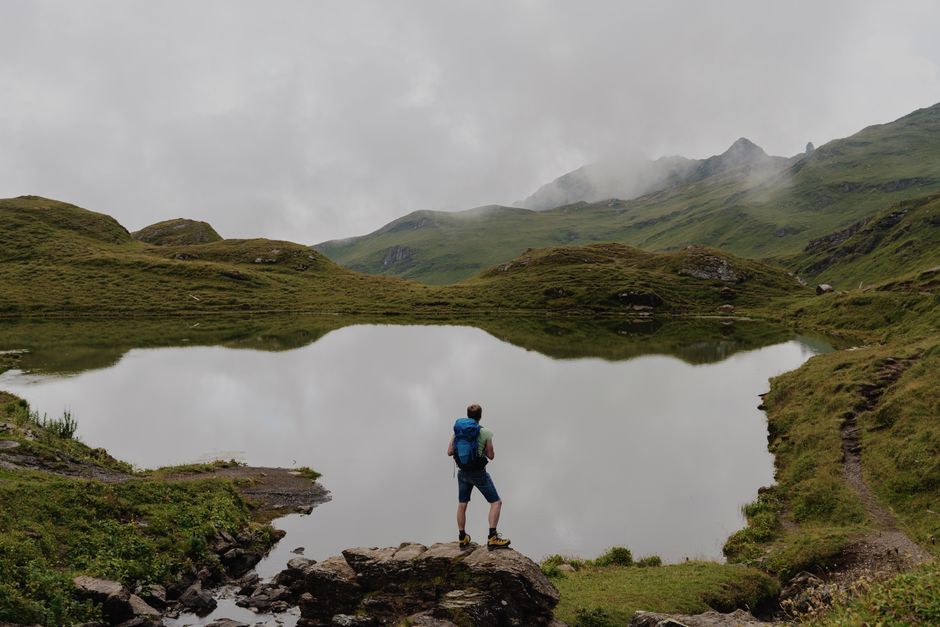
Everyone knows the Pennine Way and the West Highland Way. They’re great, but they’re also packed. Here are five alternatives I’ve walked that offer serious scenery without the queues.
| Trail | Distance | Difficulty | Best Season | Why I Rate It |
|---|---|---|---|---|
| Ridgeway National Trail | 87 miles | Easy | April-October | Ancient chalk path, minimal mud, incredible views across five counties |
| Cambrian Way | 298 miles | Hard | May-September | Wales’s spine — remote, wild, and you’ll barely see another soul |
| Dales Way | 80 miles | Moderate | April-October | Follows the River Wharfe through the Yorkshire Dales. Easy navigation, great pubs |
| Arran Coastal Way | 65 miles | Moderate | May-September | Scotland in miniature. Beaches, mountains, and a whisky distillery at the end |
| Cotswold Way | 102 miles | Easy | March-November | Rolling hills, honey-coloured villages, and the best cream teas on any UK trail |
My personal pick? The Cambrian Way. It’s brutal — 50,000 feet of ascent across 300 miles — but it’s the most authentic wilderness experience in England and Wales. You’ll navigate by compass more than by path. That’s the point.
The Navigation Mistake That Almost Killed Me
I was on the Kinder Scout plateau in the Peak District. Cloud dropped to 20 metres visibility. My phone battery died at 15%. I had no paper map. I spent three hours walking in circles before I found the descent path. That was stupid.
Here’s what I carry now:
- OS Maps (paper) — the OL series for national parks, Landranger for everything else. £12 each. They don’t run out of battery.
- A Silva Expedition 4 compass (£35) and the knowledge to use it. YouTube has free tutorials. Learn the basics: taking a bearing, walking on a bearing, and relocating when lost.
- A backup power bank. The Anker PowerCore 10000 (£20) weighs 180g and will recharge my phone twice. I keep it in a dry bag inside my pack.
- The OS Maps app on my phone with offline maps downloaded. It costs £30/year and is worth every penny for the satellite view alone.
Navigation failure is the most common reason UK mountain rescue gets called. Don’t be that person. Paper maps don’t crash.
What to Pack for a Week on UK Trails
I’ve refined my kit list over dozens of trips. Here’s exactly what goes in my pack for a seven-day hike in spring or autumn. Base weight: 8.5kg (19lbs) without food or water.
Shelter: The MSR Hubba Hubba NX (£400, 1.7kg) is my go-to. It pitches outer-first, which is essential when it’s raining as you arrive. I’ve slept through a Force 8 gale on the Isle of Skye in this tent. It held.
Sleep system: A Rab Ascent 500 sleeping bag (£220, comfort rating -2°C) and a Therm-a-Rest NeoAir XLite pad (£170, R-value 4.2). The pad is noisy — it crinkles — but it’s the lightest insulated option at 340g.
Clothing: Merino wool base layer (Icebreaker 200, £80), a Rab Microlight Alpine jacket (£250, 170g of down), and a Berghaus Paclite waterproof shell. I wear Craghoppers Kiwi Pro trousers (£55) — they dry in 20 minutes after a rain shower.
Cooking: The MSR PocketRocket 2 stove (£45, 73g) with a 100g gas canister. Boils 500ml in 3 minutes. Pair it with a Titanium pot from Toaks (£35).
Footwear: As mentioned, the Mountain Warehouse Forza Mid boots. Plus a pair of sealskinz waterproof socks (£30) for days when the boots eventually wet through. They’re not a fashion statement. They work.
When You Should NOT Hike the UK (and What to Do Instead)
This matters. November through February, most UK trails become dangerous for inexperienced hikers. Daylight drops to 8 hours. Paths turn into calf-deep mud. Wind on exposed ridges can exceed 60mph. I’ve been pinned down in a bothy on the Pennine Way for 18 hours waiting out a storm.
If you only have a three-day window in December, don’t try to bag a multi-day trail. Instead, do day hikes from a base. The Snowdonia National Park has dozens of valley walks that stay below the cloud line. Try the Watkin Path up Snowdon in summer — in winter, it’s a grade 1 scramble that kills people every year.
Another tradeoff: don’t buy expensive gear if you’re only hiking for a weekend. I see people drop £800 on Arc’teryx shells for a single trip to the Peak District. Rent boots from a shop like Cotswold Outdoor (£15/day). Borrow a tent from a friend. Spend that money on a guided navigation course instead. The Mountain Training Association runs two-day navigation courses for £120. That knowledge lasts longer than any jacket.
And here’s a hard truth: if you hate rain, don’t hike the UK in spring. Go to the Isle of Wight Coastal Path in September. It’s 70 miles of chalk cliffs and sandy beaches, and it’s the driest place in Britain during late summer. The bus runs along the route if you get tired. No shame in that.
What I’d Tell My Beginner Self
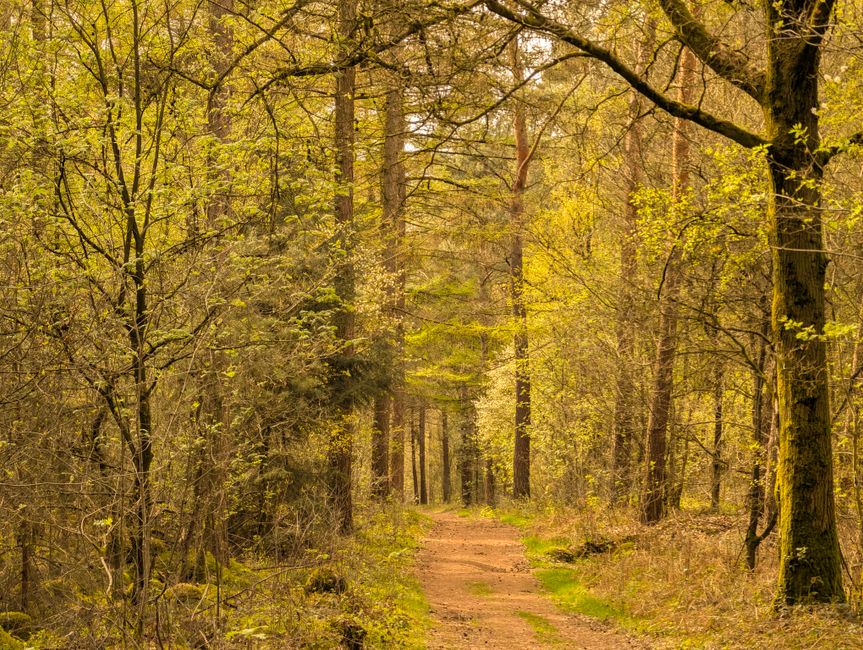
I started hiking because I wanted to see places cars couldn’t reach. Five years later, I’m still chasing that feeling. But I’d do a few things differently.
First, I’d learn to read a map before buying a single piece of gear. Navigation is the skill that unlocks everything else. Second, I’d accept that UK hiking is wet. Not occasionally wet. Consistently wet. Fight the weather with good layers and a positive attitude, not a £400 jacket that claims to be ‘fully waterproof’ — they all wet out eventually.
Third, I’d walk slower. The first year, I tried to smash 20-mile days every time. I missed the best parts: the bothy conversations, the unexpected deer crossing the path, the pub where the locals ask where you’ve walked from. UK hiking rewards patience. The trails have been here for centuries. They’ll wait for you.
The best thing about British trails? They’re free. They’re everywhere. And they’ll change how you see this small, crowded island. Lace up your boots, get a paper map, and go find your own 500 miles.