
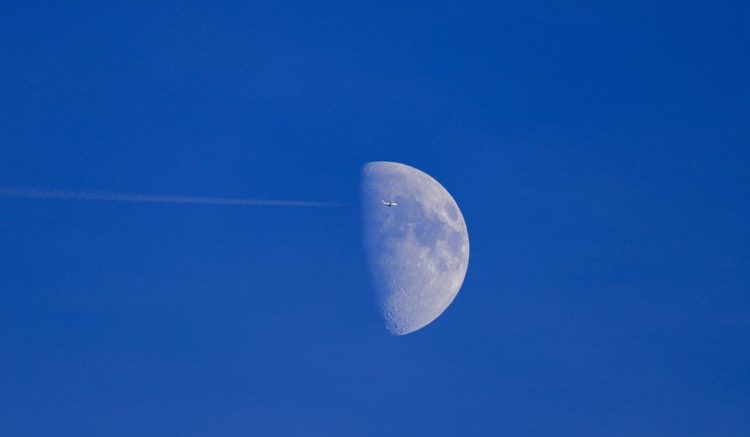
The common myth is that jet lag comes from being tired after a long flight. It does not. The real problem is that your body clock still runs on home time while the local clock demands something else. Winter makes the mismatch harder because daylight hours are shorter and morning light can be weak. The fix is simple but not passive: set your clock before departure, control light after takeoff, and stay awake until a sensible local bedtime.
Why winter flights make jet lag feel worse
Your body clock follows light, not your boarding pass
Your brain uses light as its strongest timing signal. Bright light in the morning tells your body to shift earlier. Bright light in the evening pushes the clock later. Crossing several time zones creates a sudden gap between those signals and your new schedule.
A westbound flight usually feels easier because you gain hours and can stay awake later. Eastbound travel is tougher because you must sleep and wake earlier than your body wants. A flight from New York to London crosses five time zones and asks a New York body to feel sleepy five hours earlier on the first night. That is a real biological shift, not poor discipline.
Short winter days add a second timing problem
In winter, sunrise may arrive after 8 a.m. in London, Stockholm, or parts of Canada. Sunset may arrive before 4 p.m. That gives you less useful daylight for resetting your schedule. Indoor airport lighting also falls far short of outdoor daylight, even when the terminal looks bright.
Do not try to fix this by sleeping at random times on the plane. That creates a messy halfway schedule. The winning strategy is timed light exposure: seek light when you need to move your body clock, then block light when you need to protect sleep. Winter jet lag is best treated as a clock problem first and a comfort problem second.
Build your time-zone plan before takeoff
Set your watch before boarding
Change your watch to the destination time when you reach the airport. This does not reset your biology, but it stops you from making bad decisions based on home time. From that point, eat, sleep, and use caffeine according to the destination clock as much as the flight schedule allows.
Use this five-step preflight plan
- Three days before departure: shift bedtime and wake time by 30 to 60 minutes toward the destination schedule. Move earlier for eastbound travel and later for westbound travel.
- The evening before: finish packing early and protect a normal sleep window. A deliberate all-nighter is a bad shortcut. Sleep loss makes the flight harder and does not reliably reset your clock.
- At the airport: eat a normal meal with protein, carbohydrates, and fluids. Avoid arriving dehydrated, drunk, or heavily caffeinated.
- After takeoff: decide if the first flight segment overlaps destination nighttime. If it does, prepare for sleep. If it does not, stay awake and use light normally.
- Before landing: check the local time and plan the first three hours on the ground. Decide in advance when you will get outdoor light, eat, and go to bed.
Do not force a full destination schedule before departure. A two-hour shift is useful; pretending you already live across the ocean is exhausting and rarely practical. The clear verdict: start adjusting early, but keep the change gradual.
Use light, sleep, and caffeine at the right time
A simple timing chart for eastbound winter travel
The exact timing changes with your route, but this chart gives you a workable starting point.
| Travel phase | What to do | Why it works |
|---|---|---|
| Three days before | Move bedtime 30 minutes earlier each night | Starts shifting the body clock without wrecking sleep |
| Flight evening | Use an eye mask and reduce screen light after the destination bedtime | Protects the first sleep window |
| Arrival morning | Get 20 to 30 minutes outdoors after local sunrise | Anchors the new morning schedule |
| Arrival afternoon | Use caffeine only before about 2 p.m. local time | Reduces the chance of delaying nighttime sleep |
| Arrival night | Go to bed at a normal local time, even if sleep feels imperfect | Builds pressure for the next night |
Do not confuse fatigue with sleep timing
You can feel exhausted at 2 p.m. local time and still need to stay awake. A short nap of 20 minutes can keep you functional. A two-hour hotel nap can steal the sleep pressure you need that night. Set an alarm and nap in a chair or on top of the bed if you struggle to wake up.
Make caffeine a tool, not a rescue plan
Caffeine can help you stay awake through the danger zone, but it lasts longer than the alert feeling suggests. Stop early enough that your planned bedtime remains realistic. Alcohol is worse: it may make you drowsy, but it fragments sleep and adds dehydration. The verdict is firm: use outdoor light as the main reset, a short nap as backup, and caffeine only in the first part of the local day.
Jet lag mistakes travellers keep making
Should you sleep through the entire flight?
No. Sleep only when the destination clock says it is nighttime, or when a controlled nap will help you reach that window. Sleeping through a daytime flight can leave you wide awake at 2 a.m. local time. On eastbound routes, aim for the final part of the flight if that lines up with nighttime at your destination. On westbound routes, staying awake longer is usually the better move.
Should you use melatonin or sleeping pills?
Do not treat sleep medication as casual travel gear. Melatonin timing matters, product quality varies by country, and prescription sleep medicines can affect balance, memory, and breathing. Ask a doctor or pharmacist if you are considering either option, especially if you take other medicines, have sleep apnea, are pregnant, or will drive soon after landing.
When should you avoid buying a flight sleep kit?
Skip the expensive kit if your main problem is a poor schedule. You also do not need premium headphones if earplugs already block enough sound for you. Fix the timing first. Buy comfort gear only when you know which distraction keeps you awake.
The biggest failure mode is trying to win every hour of the trip. You do not need perfect sleep on the plane. You need enough control to arrive, stay awake until local evening, and sleep at the new bedtime.
What to do during the first 24 hours after landing
Protect the first local morning
Get outside after sunrise, even if the sky is gray. Walk for 20 to 30 minutes before breakfast or during your first break. Outdoor light is stronger than ordinary indoor lighting and gives your brain a clear local-time signal. Keep the walk easy; hard exercise is not required.
Stay awake until a sensible bedtime
Eat on local time, drink water, and keep any nap under 20 minutes. If you arrive before noon, try to stay awake until at least 8 or 9 p.m. If you arrive in the evening, go to bed rather than extending the day with airport coffee and screens. Keep the bedroom dark and cool, then repeat the outdoor-light routine the next morning.
For most winter long-haul trips, the best plan is specific: shift your schedule by 30 minutes for three days before departure, sleep only during destination nighttime, get outdoor light after local sunrise, stop caffeine early, and avoid long arrival-day naps. Add the Sony WH-1000XM5 or simple Loop Quiet 2 earplugs if cabin noise blocks sleep, but let timed light—not a gadget—do the real work.