
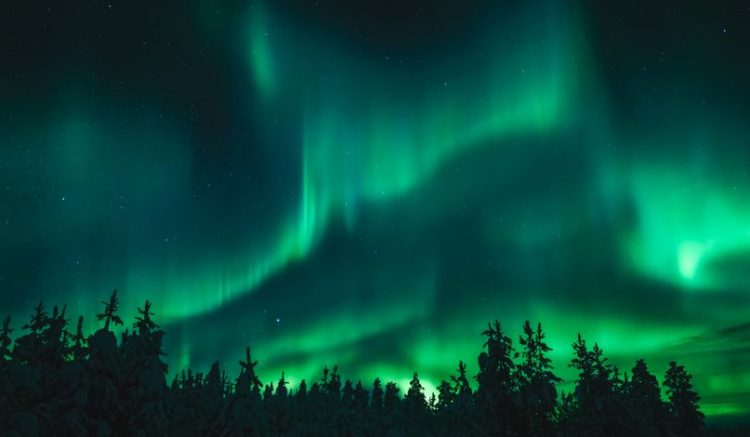
February is the best compromise for a first Lapland trip: deep snow still supports husky sledding, daylight has returned, and the Northern Lights remain visible after dark. Choose Rovaniemi for the simplest first visit and Levi for a more resort-based stay with longer outdoor excursions. Build in at least three nights, book the husky ride before arrival, and treat an aurora sighting as a possibility rather than a contractual benefit.
Why February works for a Lapland trip
February is the strongest all-round month for travellers who want both daytime snow activities and dark skies at night. In Rovaniemi, local tourism guidance describes February as snowy, with the sun returning and average daylight reaching about 8 hours. Typical temperatures can sit around -20°C to -15°C, although a warm spell or a colder snap can change the practical conditions quickly.
Snow is deep, firm, and useful
Husky sleds, reindeer sleighs, snowmobiles, and snowshoes need a stable winter base. February normally provides that base across the main Lapland resorts. The snow also reflects daylight, so a short afternoon can feel brighter than the clock suggests. This matters if you want a ride through the forest rather than a short loop beside a visitor centre.
Daylight improves the schedule
December and early January offer longer darkness, but the limited daylight can make a packed itinerary tiring. By February, you can schedule a husky safari around late morning, eat lunch in daylight, return for a warm-up, and still have several dark hours for aurora watching. The extra light also helps with photographs and makes driving between towns less stressful.
When February is the wrong choice
Do not choose February if you dislike cold-weather logistics, layered clothing, or plans that may change because of cloud, wind, or unsafe trail conditions. Visitors expecting mild winter weather should look at late March or April instead, although later dates bring more daylight and less reliable darkness for aurora viewing. February suits travellers who want a real Arctic winter, not a scenic theme park with snow guaranteed on demand.
Rovaniemi or Levi: which base gives better value?
Rovaniemi wins for a first-time visitor who wants convenience. It has an international airport, many activity providers, and Santa Claus Village close to the city. Levi is the better pick for travellers who want skiing, a village atmosphere, and longer wilderness activities. Neither destination guarantees the Northern Lights, so the choice should start with daytime logistics rather than aurora marketing.
Location comparison
| Base | Best for | February daylight | Husky example | Main tradeoff |
|---|---|---|---|---|
| Rovaniemi | First visit, families, short transfers | About 8 hours | Arctic Circle Husky Park, 5 km guide-driven ride, €120 adult during the listed 10 January–10 February high-season period | More commercial and busier around Santa Claus Village |
| Levi | Skiing, longer stays, active travellers | About 8 hours | Lapland Safaris, 10 km self-drive safari, €242 adult, listed for the 2026–2026 winter season | More transfers and a stronger resort focus |
| Farther north | Quieter skies and a darker setting | Longer darkness than late March | Longer specialist safaris may be available | Fewer flights, services, and backup activities |
The clear booking decision
Pick Rovaniemi if your trip lasts three or four nights, you want several easy day tours, or children need short transfers. Pick Levi if you have five nights or more and plan to combine huskies with skiing or snowshoeing. For a first trip centreed on one husky ride and one aurora hunt, Rovaniemi keeps the risk of wasted travel time lower.
How to choose the right husky ride
The right safari is defined by time on the trail, not the word premium in the title. A 5 km ride can be a useful introduction, but the actual sled time may be only 15 to 30 minutes. A 10 km safari often includes roughly one hour on the trail, but it may require standing behind the sled and helping with balance. Use this checklist before paying.
1. Check who drives the sled
- Guide-driven: You sit in the sled while a professional controls the team. This is the safest format for very young children, older travellers, and anyone who wants photographs without physical work.
- Shared self-drive: Two adults usually share one sled. One person stands on the runners while the other sits, then they swap at the halfway point. This gives more control but requires balance, braking, and active help on hills.
- Private self-drive: You have more space and less waiting, but the price rises sharply. It makes sense for experienced outdoor travellers or a special small-group trip.
2. Compare the useful details
Lapland Safaris lists a 5 km Husky Experience at €163 per adult and a 10 km Husky Safari at €242 per adult for its winter programme. The 10 km option includes transfers, a thermal outfit, a farm visit, guidance, and a hot drink, but the listed price does not include a meal. Arctic Circle Husky Park is the better short-format choice: its 5 km guide-driven ride includes park access and is listed at €110 per adult outside the 10 January–10 February high-season price of €120.
3. Check welfare and weather terms
Look for a real kennel visit, clear information about rest periods, group size, and how the operator handles extreme cold. Ask what happens if snow or trail conditions stop the ride. A responsible operator may shorten, delay, or cancel a programme when safety requires it. That is a sign of risk control, not poor service.
How to improve your Northern Lights odds
Book more nights, not a more expensive promise. February sits inside Finland’s main aurora season, and February and March often have favorable darkness and increasing solar activity. Clouds remain the main obstacle. No guide, app, or hotel can force the sky to clear.
Use a three-night minimum
One night gives you one roll of the dice. Three nights create several opportunities across different weather systems and activity levels. Schedule the aurora hunt early in the stay so a cloudy evening does not remove your only chance. Keep at least one later evening free for a second attempt from a darker place near your accommodation.
Understand what guides can and cannot do
A mobile guide can drive away from city lights and use cloud maps, local knowledge, and space-weather forecasts. That improves your position. It does not guarantee an aurora, a particular colour, or a clear view. Strong green displays may last minutes or hours, while a weak glow can be difficult to see with the naked eye.
For the best personal odds, leave bright hotel areas, face north when the forecast supports activity, protect spare camera batteries from the cold, and wear boots that stay warm while standing still. The official Visit Finland aurora guidance places the visible season from late August to early April and identifies February and March as peak months.
Common booking mistakes in February
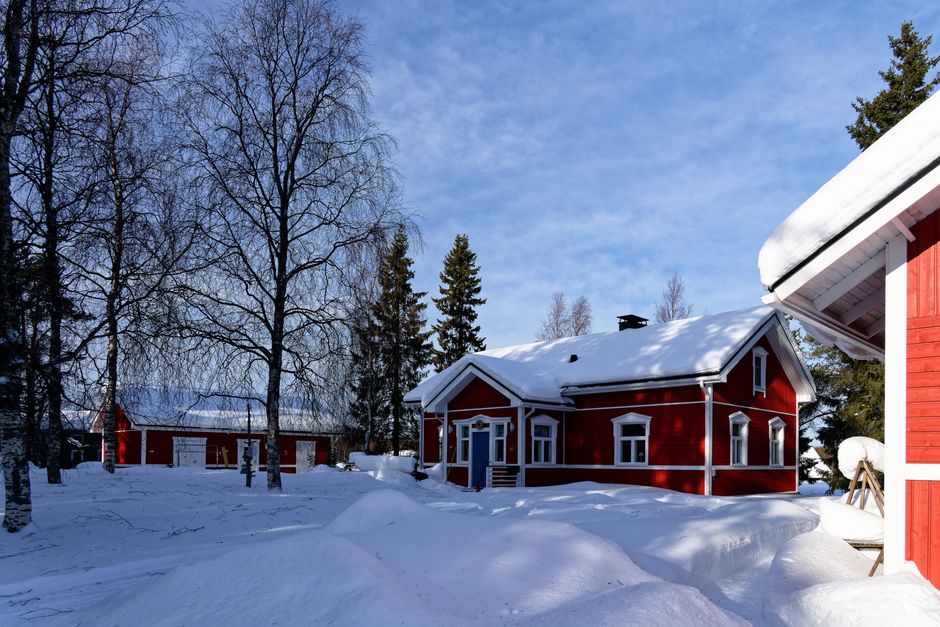
The biggest mistake is buying the fantasy instead of the operating details. A good itinerary leaves room for cold, delays, and a sky that refuses to cooperate.
Will one night guarantee the aurora?
No. A tour operator can improve your position by moving away from lights and clouds, but the aurora is natural. Book at least three nights and schedule the first hunt early.
Is a short husky ride a bad purchase?
No, if you want an introduction, have young children, or care more about meeting the dogs than covering distance. It is poor value if you expect an hour of sledding and the published ride lasts about 15 minutes. Read the trail time separately from the total programme length.
What should families check?
Check minimum ages, sled capacity, transfer duration, toilet access, and the operator’s cold-weather policy. The Lapland Safaris 10 km programme lists children over four as suitable, while the 5 km programme lists children over two. Those limits are not interchangeable between operators.
What should a skeptical buyer ask?
Ask for the exact route length, who drives, how many people share a sled, what clothing is supplied, and the cancellation terms for unsafe conditions. Then compare the answer with the published Arctic Circle Husky Park programme and the operator’s own current booking page.
That approach turns the opening plan into a realistic trip: a February husky ride in reliable snow, enough nights for the sky to cooperate, and clear expectations about cost and cover. Rovaniemi is the safer first-time choice for most visitors; Levi earns the extra travel when longer active days matter more than convenience.