
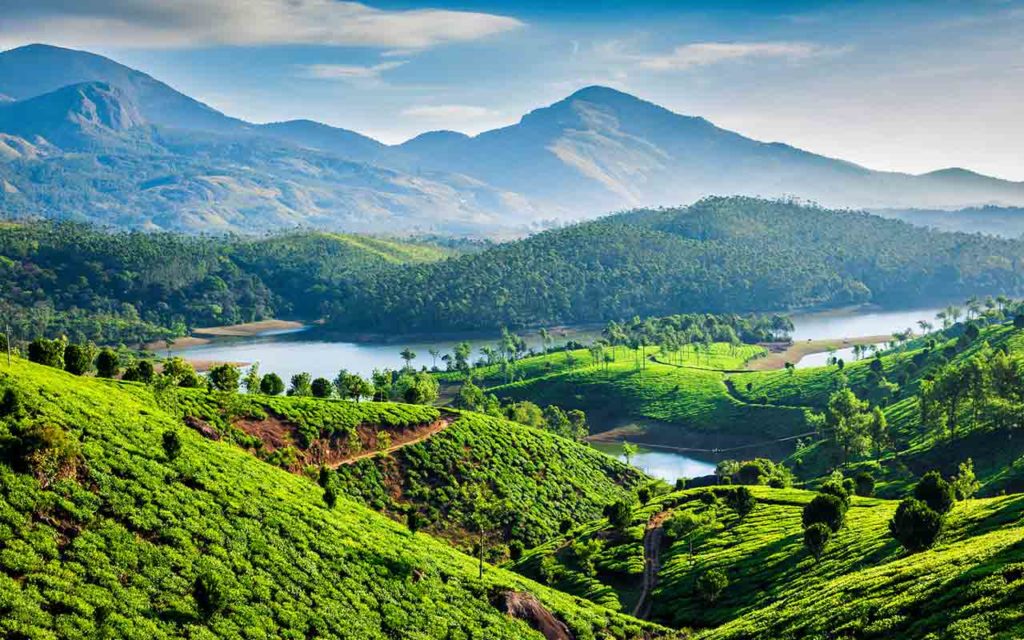
You wake up, pull back the curtain, and the Himalayas are gone. Not cloud-dusted — completely gone. The tea gardens below your guesthouse window are invisible. Your phone says rain through 6pm. Most travel guides at this point tell you to enjoy the misty ambiance. This one tells you exactly where to go and what to skip.
Why Indoor Tea Tasting Beats Any Outdoor Plan Today
Darjeeling’s identity is built on tea. On a clear day, you tour the gardens. On a rainy day, you go inside and actually learn something. Three estates run proper indoor tasting sessions that require zero muddy-field walking — and they’re worth two to three hours of your morning.
Makaibari Tea Estate, Kurseong Road
Makaibari is the oldest mechanized tea estate in the world, operating since 1859, and India’s first certified organic estate. Their indoor tasting room stays open rain or shine. The Silver Tips Imperial — their premium white tea — costs around ₹3,500 per 100g to buy, but the tasting session itself is ₹150–200 per person. You’ll taste four to five varieties, get a solid explanation of orthodox production, and can buy directly from the estate at better prices than Darjeeling’s street stalls.
The drive from Darjeeling town takes roughly 30 minutes by shared jeep. Book by phone the day before — they have no online reservation system as of 2026, and groups of more than six need advance notice. Don’t show up expecting a casual walk-in welcome.
Happy Valley Tea Estate, North Darjeeling
Closer to town — about 3km from Chowrasta — and easier to reach without a private car. Entry is ₹200 per person, covering a guided walk through the indoor processing facility and a tasting of two or three teas. The processing factory is the main draw: you’ll see withering troughs, rolling machines, and oxidation chambers up close. During peak flush seasons (March–May and October–November) the factory is fully active. On a rainy off-season day it may be quieter, but the tasting room runs year-round.
Arrive between 10am and noon. They close at 4pm. The walk from town takes about 45 minutes on a clear day — in rain, take a shared auto-rickshaw from near Chowrasta for ₹20–30.
What to Buy and What to Skip at the Estate Shop
At any estate tasting, ask specifically for a second flush Darjeeling. The muscatel grape character is what separates Darjeeling from every other Indian tea, and second flush is where it’s most pronounced. Skip the generic tourist blend packs they push at checkout — they’re usually lower-grade than what you just tasted.
Buy the specific tea you enjoyed, identified by its flush and garden name on the label. If you’d rather shop in town, Nathmull’s Tea Shop on Laden La Road (established 1931) stocks verified single-estate teas with clear labeling. Their staff can match you to a tea based on how you like it brewed — strength, astringency, milk or black — and they know their inventory properly.
HMI, the Natural History Museum, and How They Compare
Darjeeling has three indoor cultural sites worth your time. Here’s how they stack up so you can pick based on your actual interests rather than whatever’s closest to your guesthouse.
| Venue | Entry Cost | Time Needed | Best For | Rain Suitable? |
|---|---|---|---|---|
| Himalayan Mountaineering Institute (HMI) | ₹100 Indians / ₹200 foreigners | 2–3 hours | Mountaineering history, Tenzing Norgay exhibits | Fully indoor |
| Padmaja Naidu Himalayan Zoological Park | ₹50 | 1–1.5 hours | Red pandas, snow leopards, Himalayan wildlife | Mixed — zoo is outdoor |
| Tibetan Refugee Self Help Centre | Free | 45–60 minutes | Carpet weaving, Tibetan crafts, cultural history | Mostly indoor |
What HMI Gets Right
The Himalayan Mountaineering Institute is the strongest pick on a rainy day, full stop. Founded in 1954 following the first Everest ascent, it houses Tenzing Norgay’s personal equipment — his actual ice axe, crampons, and summit clothing. The Everest museum is well-organized and genuinely moving if you have any interest in high-altitude climbing history. The Padmaja Naidu zoo shares the campus; the red panda enclosure is a short walk from the HMI exit and worth checking if the rain has eased. In a downpour, skip the zoo sections and stay in the museum. Allow at least two full hours inside HMI — most people rush through and miss half the exhibits.
The Darjeeling Café Crawl: Where to Go and in What Order
A rainy day here is good for café-hopping. The town is small, the distances between spots are walkable even in drizzle, and the food quality is higher than most Indian hill stations. Work through this in order:
- Glenary’s Bakery and Café, Nehru Road — Start here at 9am. Glenary’s has been on this street since 1935. Order the ham-and-cheese croissant (₹180) and a pot of first flush Darjeeling. The basement restaurant opens at noon if you want a proper sit-down lunch later. Don’t skip the pastry counter on your way out.
- Nathmull’s Tea Room, Laden La Road — Not just a shop. They brew teas to order and have seating. Try the Darjeeling oolong if you haven’t had it before — lighter than what most people expect, almost floral, nothing like a standard Indian tea. A pot runs ₹120–160.
- Café Frankie, near Chowrasta — A local spot most tourists walk past. Chicken momos cost ₹80 for a plate of ten. The thukpa (Tibetan noodle soup) is ₹110 and is exactly the right call on a cold, wet afternoon. Small space, warm inside.
- Kunga Restaurant, Gandhi Road — Tibetan-owned, cash only. Order the sha phaley: fried bread stuffed with beef and cabbage. Fills up by 1pm, so go before that or after 2pm.
- Keventer’s, Nehru Road — The rooftop is pointless in rain. The indoor section does breakfast items until 11am and snacks through the day. A backup option, not a destination worth going out of your way for.
You don’t need all five. Glenary’s for breakfast and Café Frankie or Kunga for lunch — that’s the essential version of this route.
Tiger Hill and the Toy Train: Don’t Bother Today
Tiger Hill exists for one reason: sunrise views of Kanchenjunga. In cloud cover and rain, you will see nothing — not even the hill itself. The Darjeeling Himalayan Railway toy train is charming in good weather; in heavy rain the windows fog completely and the scenery disappears. Both are genuinely worth your time. Today is not the day for either of them.
What Actually Goes Wrong on a Rainy Darjeeling Day
These are the practical failures that catch first-time visitors off guard. Read this before you leave the guesthouse.
Is it safe to walk the hill roads in heavy rain?
The main bazaar streets — Nehru Road, Laden La Road, Chowrasta — are fine. Paved, well-drained, and busy enough that you’re never isolated. The issue is the smaller connecting lanes and shortcuts between neighborhoods. They get slippery fast, narrow without warning, and are shared with vehicles that don’t slow down for pedestrians in rain. Stick to the main roads. Rubber-soled shoes matter more than a raincoat here. If you didn’t bring waterproof footwear, basic sandals are available near the Chowrasta market for ₹150–200.
Can you still visit tea gardens when it’s raining?
The outdoor garden walk? No. The paths between tea rows turn to mud quickly and there’s nothing educational about slipping through wet bushes. The indoor processing facilities at Happy Valley and Makaibari operate regardless of weather and are more instructive than the garden walk anyway. You’ll actually understand how tea gets from leaf to cup. Glenburn Tea Estate also runs indoor tastings but operates primarily as a boutique hotel — day visitors need to book well in advance and it’s not a casual drop-in.
What about landslides and road closures?
This is real and not rare. Darjeeling sits on geologically unstable ground. During heavy monsoon rain — roughly July through mid-September — the roads toward Siliguri via Hill Cart Road and NH10 can close without warning. If you’re flying home or catching a train from New Jalpaiguri station, build buffer time into your schedule. Check road conditions with your guesthouse before any downhill journey. Missing a flight because of a blocked road happens every monsoon season.
Shopping for Tea, Books, and Tibetan Crafts in the Rain
Nathmull’s Tea Shop on Laden La Road is the best place in Darjeeling to buy tea. It is not close. Operating since 1931, they stock verified single-estate teas with full labeling: estate name, flush season, grade. Don’t buy tea from the street market stalls near the clock tower — the provenance is almost always unclear, and you’re paying for packaging, not quality. At Nathmull’s, a 100g pack of second flush Darjeeling from a named estate runs ₹400–1,200 depending on grade. Their staff will help you choose based on how strong and malty you prefer your cup. This is the one purchase in Darjeeling that will still mean something six months after you get home.
For books, the Oxford Book and Stationery Company on Chowrasta has a proper section covering Himalayan travel writing, mountaineering history, and Indian fiction. It’s warm, unhurried, and worth an hour on a wet afternoon. The Darjeeling and mountaineering history shelves in particular are stocked with titles you won’t find easily elsewhere.
The Tibetan Refugee Self Help Centre on Gandhi Road sells hand-knotted carpets, woven fabrics, and woodwork made on-site by Tibetan refugees. Prices are fixed — no haggling, fair rates. A small decorative carpet (roughly 2×3 feet) starts around ₹2,000–2,500. The weaving workshop is open to visitors during the day, and watching the weavers is the real reason to visit, not just the shopping.
Skip the souvenir stalls near the mall road entirely. They sell the same factory-produced goods you’ll find in every north Indian hill station, and none of it is specific to Darjeeling.
Evening: Ghoom Monastery and One Bowl of Thukpa
Ghoom Monastery — formally called Yiga Choeling — is 8km from Darjeeling town and was built in 1875. It houses a 15-foot Maitreya Buddha statue and is one of the oldest functioning gompas in the region. The monastery is fully covered, and rainy weather makes it quieter than usual. Most day-trippers skip it when the weather turns bad, which means you’ll often have the prayer hall nearly to yourself in the late afternoon.
Take a shared jeep from Chowrasta toward Ghoom for ₹30–40 per seat — the ride takes 20–25 minutes. Aim to arrive between 4pm and 5pm when monks may be inside for evening prayers. Photography inside the prayer hall requires permission; ask before raising your camera.
After Ghoom, head back into town and end the day with thukpa at Kunga Restaurant or any Tibetan place along Gandhi Road. Thukpa is a clear-broth noodle soup with vegetables or meat, running ₹100–150 a bowl. Order the beef version if it’s on the menu — the broth is richer and holds up better against the cold. It’s a better final meal for a wet Darjeeling day than anything on Nehru Road’s tourist-facing restaurants.
The honest rainy-day sequence: HMI in the morning, a tea estate mid-morning, café crawl at lunch, shopping in the afternoon, Ghoom at dusk. That itinerary uses a rainy Darjeeling day better than most visitors manage even on a clear one.