
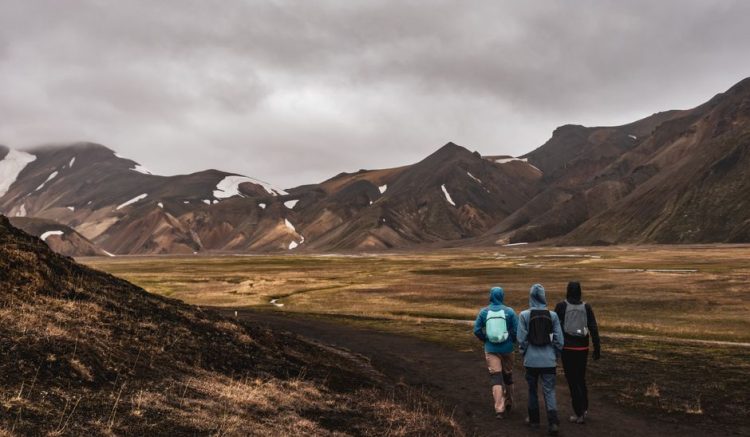
If you have seven to ten days in Iceland, June is one of the few months when the Ring Road feels realistic without turning every day into a race. You get long daylight, open lowland roads, green valleys, waterfalls at full flow, and enough time to stop when the weather changes. My clear recommendation is nine days: drive clockwise, reserve two slower days for the south and north, and treat the midnight sun as extra flexibility rather than permission to drive all night.
Is June the best month for Iceland’s Ring Road?
June wins on daylight and access
June is the best month for a first Ring Road trip if your priority is seeing a lot without winter driving. Around the summer solstice, Reykjavík gets roughly 21 hours of usable daylight, while northern Iceland has almost no true darkness. Route 1 is normally open all the way around the island, and major sights such as Skógafoss, Jökulsárlón, Lake Mývatn, and Goðafoss are easy to reach by ordinary roads.
The tradeoff is demand. Campsites, guesthouses, rental cars, and popular whale-watching trips fill quickly. June also brings wind, low cloud, sudden rain, and occasional road closures in remote areas. A blue sky at 9 a.m. does not guarantee the same conditions at 4 p.m.
June compared with May and July
| Month | Daylight | Road conditions | Best use |
|---|---|---|---|
| May | 16–20 hours | Good on Route 1, more snow inland | Lower prices and fewer visitors |
| June | 20–24 hours | Best Ring Road access | First full island trip |
| July | 20–22 hours | Strong access, busiest season | Hiking and highland tours |
June is my pick over July because the light is nearly as generous, but the crowds are usually less intense. It is not the cheapest month, and it is not a guaranteed warm-weather holiday. Choose June for reach and flexibility, not for beach conditions.
How much daylight does Iceland get in June?
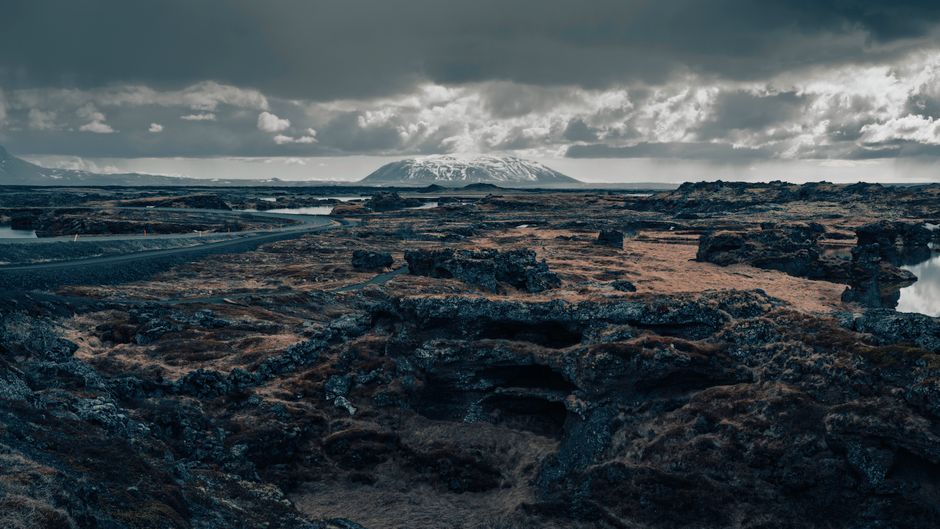
Can you really see the midnight sun?
Yes, but the experience is softer than many visitors expect. Iceland does not usually have a bright sun sitting above the horizon at midnight across the entire country. Instead, the sky stays light through the night, and northern locations can have continuous daylight near June 21. In Reykjavík, sunset is close to midnight and sunrise arrives around 3 a.m.; farther north, the gap between sunset and sunrise becomes even smaller. The practical result is simple: you can visit a waterfall at 10 p.m., eat late, and still have enough light for a short walk. The best plan is to use the light for one extra stop, then sleep, because tired drivers make poor decisions on narrow roads and gravel shoulders.
How should you sleep with constant light?
Book rooms with blackout curtains, carry a comfortable eye mask, and stop treating the clock as your only signal to rest. For campers, a fully enclosed tent or a van with proper window covers matters more than a fancy pillow. Keep one late evening for a viewpoint or coastal walk, but do not schedule midnight driving every night. My verdict: use the midnight sun to avoid crowds at famous sights, not to extend every driving day to sixteen hours.
How do you drive the Ring Road without rushing?
The nine-day route I would use
- Day 1: Reykjavík and the nearby coast. Keep the first day light after your flight.
- Day 2: Þingvellir, Geysir, and Gullfoss. Sleep near Hella or Hvolsvöllur.
- Day 3: Seljalandsfoss, Skógafoss, Dyrhólaey, and Reynisfjara. Stay near Vík.
- Day 4: Skaftafell and Jökulsárlón. Walk to Diamond Beach before continuing to Höfn.
- Day 5: Eastfjords. Take the coastal road slowly and sleep near Egilsstaðir.
- Day 6: Dettifoss, Ásbyrgi, and Húsavík. A whale tour fits best here if sea conditions cooperate.
- Day 7: Lake Mývatn, Hverir, and Goðafoss. Sleep in Akureyri or nearby.
- Day 8: Drive west through Skagafjörður and Borgarfjörður. Avoid adding the full Snæfellsnes Peninsula.
- Day 9: Return to Reykjavík, with time for a final pool or a short city walk.
Where should you slow down?
The south coast deserves more time than a single long transfer. Jökulsárlón is not a quick photo stop if you want the nearby glacier walks, boat tours, and Diamond Beach. The Eastfjords also punish rushed schedules because the roads curve around long inlets and viewpoints appear without warning. Keep driving to about 180–250 kilometres on normal days. A 350-kilometre day may look manageable on a map, but wind, gravel, sheep, tunnel rules, and photo stops change the calculation.
Do not add the Westfjords, the full Highlands, and Snæfellsnes to the same nine-day loop. Those areas are excellent alternatives, but they belong on a separate trip. The winning Ring Road plan is the one that leaves room for weather.
What should you book for an Iceland June road trip?
My vehicle verdict: choose a compact SUV, not the biggest 4×4
For a normal Ring Road trip, a compact SUV is the right choice. You do not need a large 4×4 for Route 1, the Golden Circle, the south coast, or the main road to Mývatn. A Toyota RAV4 gives useful luggage space and about 195 millimetres of ground clearance. A Dacia Duster offers roughly 217 millimetres and works well for rougher gravel approaches. A Suzuki Jimny has about 210 millimetres of clearance, but its small cabin and limited luggage space make it a poor pick for two large suitcases.
My choice for two people is the Dacia Duster or a similar compact SUV. It balances clearance, fuel use, and luggage better than a heavy Land Rover Defender. For four adults, choose a larger vehicle only if everyone travels with soft bags. Hard cases can consume the entire boot.
When should you pay for a 4×4?
Pay for a 4×4 when your plan includes legal F-roads, river crossings, or highland tracks such as Landmannalaugar approaches. A vehicle can have four-wheel drive and still be unsuitable for a specific mountain road.
Do not buy the biggest vehicle just because Iceland looks remote. It costs more to rent and fuel, takes longer to stop on wet roads, and creates false confidence. Book accommodation early, reserve the one or two tours you truly want, and leave the rest flexible. Vehicle choice solves access problems; it does not solve poor weather.
What can go wrong on the Ring Road in June?
What is the most common planning mistake?
The most common mistake is treating the route as a fixed race around a circle. Visitors calculate driving time with a map app, add every famous waterfall, and discover that one windy afternoon destroys the schedule. Check road.is and vedur.is each morning, then make a fresh decision about the next town. The roads can be open while a yellow weather warning still makes a long coastal drive a bad idea.
Should you drive to every famous sight?
No. Skip a sight when the access road is unsafe, the wind is pushing the car across the lane, or you would arrive exhausted. Reynisfjara has dangerous sneaker waves, glacier areas require marked paths, and gravel shoulders can collapse under a careless turn. Keep at least one spare half-day in the itinerary. If weather closes a road, use it for a thermal pool, a local museum, or a short walk near your accommodation.
Also check fuel before remote stretches. Do not let the tank fall below half in the Eastfjords or northeast. Carry water, a warm layer, and offline maps even in June. My final recommendation is specific: book nine days, drive clockwise, use a compact SUV, protect two flexible weather windows, and let the midnight sun give you better stops rather than longer, riskier driving days.