
Most people think a $50 daily budget in Europe means eating gas station sandwiches and sleeping in 12-bed dorms with snoring strangers. That’s not true anymore. The real problem isn’t the budget. It’s the route. I’ve watched travelers blow through $90 a day in Paris and call it “unavoidable,” then meet people doing $38 a day in Sarajevo with a private room and a proper dinner. The $50 mark is a geographic decision, not a spending decision.
This guide breaks down exactly where the money goes in 2026, which cities still fit the budget, and which ones you should skip if you’re serious about the number.
The $50 Daily Breakdown: Where Money Actually Goes
Before you book anything, you need to see the math. Here’s the daily split that works for me in Eastern and Southern Europe right now. Prices are in USD and reflect what I paid in May 2026.
| Category | Budget Backpacker | Comfort Backpacker | Notes for 2026 |
|---|---|---|---|
| Hostel bed | $14–18 | $22–28 | Hostelworld prices in Krakow, Sarajevo, Porto. Western Europe is $35+ now. |
| Food (groceries + 1 cheap meal out) | $12–15 | $18–22 | Bakeries, market produce, lunch specials. Kebab shops and Georgian bakeries save you. |
| Local transport | $3–5 | $6–8 | Walk most days. Trams in Budapest and Prague are cheap. Skip taxis entirely. |
| Attractions / museums | $0–5 | $8–12 | Free walking tours (tip-based), free museum days, city parks. |
| Intercity transport (averaged) | $8–12 | $15–20 | FlixBus and RegioJet beat trains on price. Book 2–3 weeks ahead. |
| Misc / buffer | $3–5 | $5–8 | SIM cards, laundry, the occasional beer. |
| Daily total | $40–50 | $56–71 | The comfort tier breaks $50. That’s the line. |
The hostel bed is the biggest lever. In Western Europe, a dorm bed in Amsterdam or Barcelona now runs $35–45. That single line item eats your entire budget before you’ve eaten breakfast. So the first rule is not about willpower. It’s about geography.
Pick the Right Countries or Fail Before You Land
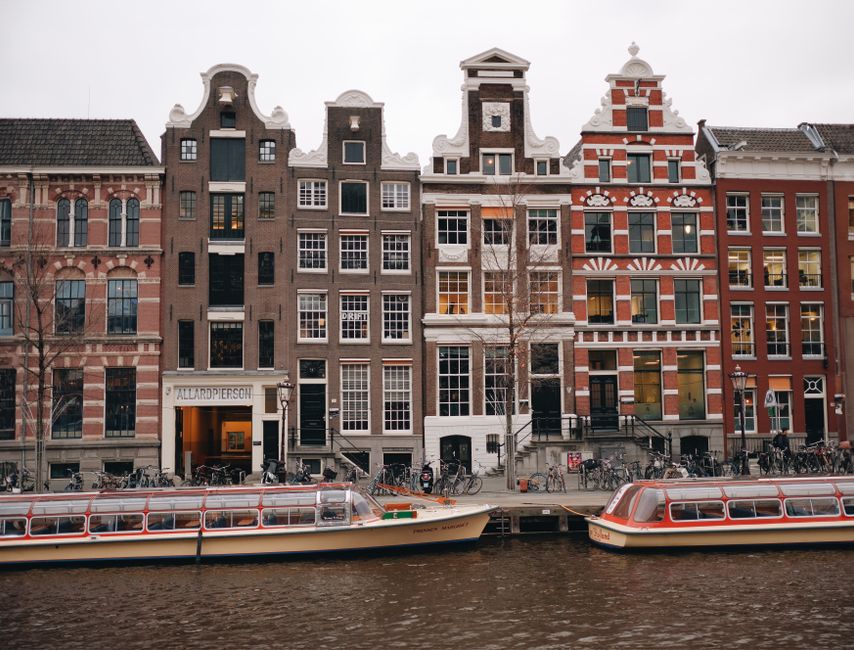
I’ll say it plainly: Paris, Amsterdam, Copenhagen, and Zurich are off the table at $50 a day in 2026. You can technically survive there by couchsurfing and eating supermarket bread, but that’s not travel. That’s an endurance test. You’ll be miserable and you’ll quit the budget by day three.
Instead, aim for the belt of countries where the euro hasn’t destroyed local prices. My current route for a $50 daily average:
- Poland — Krakow and Wroclaw. Dorm beds from $13. Milk bars (bar mleczny) serve full meals for $5–6.
- Bosnia & Herzegovina — Sarajevo and Mostar. The cheapest capital in Europe for accommodation. Private rooms from $18. Cevapi plate: $4.
- Bulgaria — Plovdiv and Sofia. Hostel beds under $12. The metro in Sofia is $0.90 per ride.
- Romania — Brasov and Sibiu. Train fares are laughably cheap. A 3-hour ride costs about $6.
- Portugal — Porto and the Algarve (off-season). Slightly tighter, but a Francesinha sandwich is a full meal for $9 and hostels hit $20 in shoulder season.
- Slovakia — Bratislava. Often skipped, which keeps prices low. A 20-minute train from Vienna and half the cost.
Skip the Eurail Pass. I’ve done the math every year since 2019 and it rarely wins for budget travelers. A Eurail Global Pass for 7 travel days in 1 month costs around $400–500, plus reservation fees of $10–15 on many high-speed routes. Meanwhile, a FlixBus from Krakow to Budapest booked two weeks ahead costs $14. For the same route, the train takes longer and costs more once you factor the pass cost. The only exception is if you’re moving every single day and value flexibility over money. Most backpackers don’t.
Sleep Cheap Without Living in a Nightmare
Hostel quality matters more than the $2 you save. I’d rather pay $16 for a clean, quiet 6-bed dorm in Sarajevo than $12 for a 14-bed party hostel with sticky floors. The price difference is negligible. The sleep difference is not.
Three rules I follow now:
- Filter Hostelworld by rating above 8.5 and read the recent reviews from the last 2 months. Older reviews lie.
- Book directly with the hostel after finding it on Hostelworld. Many hostels in Eastern Europe give a 5–10% discount for direct bookings, and you skip the platform fee.
- Never book more than 2 nights in a new city. You can always extend. You cannot always get a refund.
In Bosnia and Bulgaria, private rooms on Booking.com often cost the same as a dorm bed in Western Europe. A private room in Mostar with a balcony and a kitchen runs $18–22. If you’re traveling as a couple, this is the hack that makes $50 per person feel like a luxury trip.
One failure mode I see constantly: people book a “cheap” hostel far from the center to save $4, then spend $6 a day on trams and 40 minutes commuting each way. You didn’t save money. You bought a worse trip. Always calculate the total cost: bed + transport + time. A central hostel at $18 beats an outer one at $14 almost every time.
Food: The Grocery Store Is Your Wallet’s Best Friend
Eating out for every meal is the fastest way to blow past $50. I eat one meal out per day, usually lunch, because lunch specials are cheaper than dinner menus. The rest comes from markets and bakeries.
In Krakow, a lunch set at a milk bar costs $5–7. That’s soup, a main, and a compote. In Sarajevo, a full plate of cevapi with bread and onions is $4–5. In Porto, a bifana (pork sandwich) is $3.50 and a pastel de nata is $1.20. You don’t need to cook to eat well. You need to eat where locals eat lunch, not where tourists eat dinner.
For breakfast, skip the hostel’s $6 toast and coffee. Walk to the nearest bakery. In Bulgaria, a banitsa (cheese pastry) costs $0.80. In Portugal, a coffee and a pastry runs $2. In Poland, a paczki donut is $0.70. You’ll eat better and spend a third of the hostel price.
For dinner, hit a grocery store. Lidl and Biedronka in Poland, Kaufland in Bulgaria, and Mercadona in Portugal all have ready-made salads, hummus, bread, cheese, and fruit. A full dinner from Lidl costs $4–5. Buy a bottle of local wine for $4 and drink it in the hostel common room. That’s a better evening than a $25 restaurant meal anyway.
Transport: FlixBus, RegioJet, and the Art of Not Flying
I almost never fly within Europe anymore. Ryanair and Wizz Air advertise $15 fares, but by the time you add a carry-on bag ($20–30), airport transfers ($5–10 each way), and the 2 hours you waste at security, the bus wins. A FlixBus from Prague to Vienna takes 4 hours and costs $12–15. The same route by plane costs $40+ and takes just as long door-to-door.
For longer distances, night buses are the budget traveler’s secret weapon. You save a night of accommodation and wake up in a new city. A night bus from Krakow to Budapest costs $20 and saves you a $15 hostel bed. That’s a net cost of $5 for the transport. Night trains still exist but are usually more expensive and less comfortable than a modern FlixBus with reclining seats.
Within cities, walk. Most old towns in Europe are compact. Budapest’s metro is cheap, but you rarely need it if you stay central. When you do need public transport, buy a 24-hour pass instead of single tickets. A 24-hour tram pass in Krakow costs $4 and pays for itself after 3 rides.
One mistake to avoid: buying a Eurail Pass because it “feels like freedom.” It’s not freedom. It’s a commitment to trains, which are the most expensive way to move around Europe. Buses are cheaper, and budget airlines with no bag are sometimes cheaper still for long hauls. Only buy the pass if you’ve priced out your exact route and it genuinely saves money. For a typical Eastern Europe loop, it doesn’t.
If you’re flying into Europe from abroad, book a round-trip ticket into a cheap hub. Warsaw, Budapest, and Lisbon usually have lower fares than Paris or London. Fly into Warsaw, loop through Eastern Europe, and fly home from Budapest. Open-jaw tickets cost more up front but save you a $50 backtracking bus ride and a wasted day.
The $50 daily budget is still alive in 2026. It just lives in a specific part of the map. Krakow, Sarajevo, Plovdiv, and Porto are the anchors. Western Europe is a different trip with a different budget. If you want to see the Eiffel Tower and the canals, save up $90 a day and go later. If you want to travel now and actually enjoy it, head east.
Quick verdict:
- Best overall value city: Sarajevo — private rooms, $4 meals, and history everywhere.
- Best for first-timers: Krakow — easy transport, cheap food, and enough English to get by.
- Best for couples: Mostar or Brasov — private rooms under $25 make $50 per person feel rich.
- Skip at this budget: Paris, Amsterdam, Copenhagen, Zurich, Barcelona. You’ll either break the budget or hate the trip.