
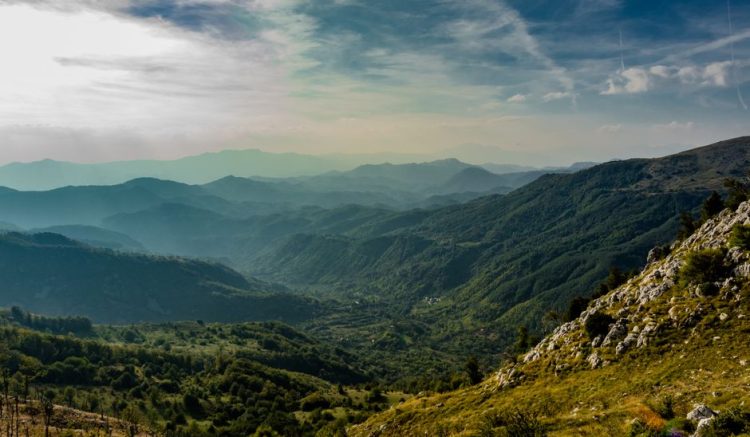
Backpacking from Ljubljana to Kotor in spring works best as a risk-managed route, not a rushed checklist. You get Alpine lakes, Roman roads, Ottoman-era cities, karst waterfalls, and the Bay of Kotor, but changing weather and slow border crossings can turn short distances into full travel days.
Is Ljubljana to Kotor the right spring route?
My verdict: yes, if you have at least 12 days and accept that buses matter more than distance. This route has a strong progression: Ljubljana is compact and easy to walk, Lake Bled adds Alpine scenery, Croatia supplies national-park landscapes, Bosnia and Herzegovina brings the deepest historical contrast, and Kotor finishes with a warmer Adriatic climate.
Why the route works
The geography gives the journey a clear shape. Ljubljana sits in a basin near the Julian Alps, Zagreb is a practical transport hinge, Plitvice breaks up the inland section, Sarajevo adds a three-day urban stop, and Mostar provides a shorter bridge to Montenegro. You are not repeating the same city experience every two nights. That variety matters on a backpacking trip because it keeps long bus journeys attached to a visible change in landscape or culture.
Where the route becomes difficult
The weak point is the southern connection. Ljubljana to Zagreb is simple, but Plitvice is not a major rail hub, Zagreb to Sarajevo can take most of a day, and Mostar to Kotor may involve a border queue plus a winding coastal or mountain road. Spring rain can also make walking trails slippery and reduce the appeal of a tightly timed itinerary. For that reason, I would skip this route on a seven-day trip. Choose Ljubljana and Slovenia alone, or fly into Dubrovnik and focus on Montenegro and southern Croatia.
When should you backpack the Balkans in spring?
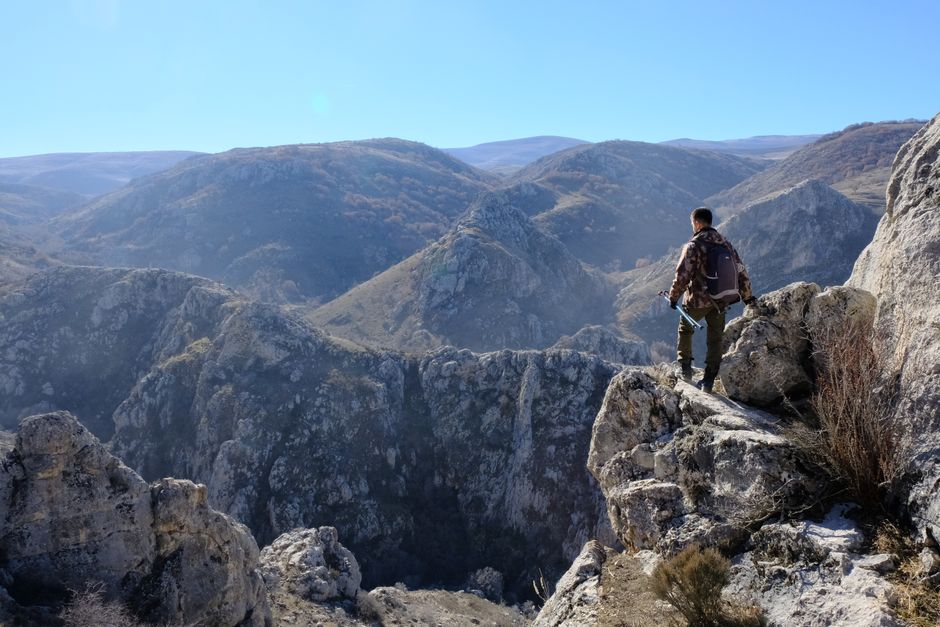
Late May is my strongest pick for this route. It usually offers a better balance between daylight, open visitor services, green scenery, and manageable coastal crowds than March or early April. Slovenia’s tourism guidance places May and June among the more comfortable periods for Lake Bled, while Montenegro’s official tourism material highlights spring as a season for exploring mountains, national parks, and the Bay of Kotor. Check the Lake Bled seasonal guidance and the Montenegro tourism calendar before booking fixed activities.
March and early April: cheaper, colder, less predictable
March can bring snow or freezing mornings around Bled and the inland Croatian parks, while Sarajevo may still feel like winter after dark. Rain also matters more than temperature. Wooden paths at Plitvice can be wet, and mountain viewpoints around Kotor may disappear into cloud. The reward is lower demand and a quieter feel in old towns, but you need flexible lodging and a warm layer that handles near-freezing nights.
Late April and May: the practical window
Late April improves the odds of green valleys and longer days, although rain remains a real planning factor. By May, Kotor and Mostar can feel warm in the afternoon while Ljubljana and Sarajevo stay noticeably cooler. Pack for three climates in one day: a dry base layer, a waterproof shell, and footwear that grips wet stone. Sea swimming should not drive the schedule. The Adriatic may look inviting long before it feels comfortable, so treat beaches as scenery unless you have checked local water conditions.
What does a 14-day route look like?
This itinerary keeps the route moving without making every day a transfer. The fare figures are planning ranges in euros for 2026, not guaranteed quotes; seasonal schedules, luggage rules, and reservation fees can change.
| Days | Base | Main plan | Typical transfer | Planning fare |
|---|---|---|---|---|
| 1-2 | Ljubljana | Old town, Central Market, Tivoli Park, castle viewpoint | Walk or city bus | €2-€5 daily transit |
| 3 | Lake Bled | Lake loop, castle, west-shore walk | About 1 hour from Ljubljana | €6-€12 |
| 4 | Zagreb | Upper Town, Dolac Market, Lower Town museums | 2.5-3.5 hours | €20-€35 |
| 5 | Plitvice area | Lower lakes and boardwalks; sleep near the park | About 2.5 hours from Zagreb | €15-€25 |
| 6 | Sarajevo | Return toward Zagreb, then long bus to Sarajevo | 7-10 hours total | €50-€80 combined |
| 7-9 | Sarajevo | Baščaršija, museums, Trebević, neighbourhood food stops | Local walking and tram | €2-€10 daily |
| 10-11 | Mostar | Old Bridge, riverside lanes, Blagaj day trip | 2.5-3.5 hours | €15-€25 |
| 12-14 | Kotor | Old Town, Perast, Bay of Kotor, one mountain day | 4.5-7 hours | €25-€45 |
The schedule deliberately gives Sarajevo three nights. Reducing it to one night to create extra time in Kotor sounds attractive, but it makes the longest inland transfer feel like a detour with no breathing room. If you have only 10 days, remove Zagreb or Plitvice, not Sarajevo and Mostar together. The Plitvice National Park spring information is useful for checking trail access before you lock in the overnight stop.
How do you cross borders without losing a day?
Border control is the operational risk on this route. A map may show 180 kilometers between two cities, but a bus must stop, unload passengers when required, process documents, and sometimes wait behind freight traffic. Build margin into every international transfer.
- Keep passport rules separate from Schengen assumptions. Slovenia and Croatia are in the Schengen Area, while Bosnia and Herzegovina and Montenegro follow different entry systems. Your passport, not your previous border crossing, determines visa and validity rules. Check the official government source for your nationality before departure.
- Book the first bus of the day for a critical connection. A 7:00 departure gives you more recovery options than a 15:00 departure if a border queue adds two hours. This matters most for Mostar to Kotor and Zagreb to Sarajevo.
- Ask about luggage fees before boarding. Some regional carriers charge separately for a large backpack placed under the bus. Keep small valuables and medication with you, even when the driver issues a luggage tag.
- Do not schedule a flight immediately after the final bus. If you must fly from Dubrovnik, Podgorica, or Tivat, spend the previous night near the airport or use a private transfer with a wide buffer. A missed flight caused by a border delay is rarely covered unless your policy wording includes the exact cause.
My clear transport choice is the direct daytime bus when one exists, even if a cheaper combination requires more changes. The small fare saving rarely justifies a missed connection, a second luggage handoff, or a late arrival in a town where reception closes early.
What should you pack for wet, cold, and warm days?
Pack for a 5°C morning in Bled, a 22°C afternoon in Mostar, and rain on a Kotor mountain path. My strongest gear recommendation is a 35- to 40-liter carry-on-sized pack rather than a 60-liter trekking bag; the route uses buses, stairs, old-town cobbles, and frequent lodging changes.
Prices vary by country and sale, so use them as planning figures rather than promises. Bring one waterproof layer, two quick-drying shirts, thermal sleepwear for colder inland nights, a compact towel, blister care, and a small dry bag for documents. Do not bring separate shoes for every possible activity. The Salomon pair is a sensible choice for travellers who expect wet trails; for an urban-only route, a lighter shoe is more comfortable and cheaper.
Which mistakes can ruin the route?
The most expensive mistake is treating the Balkans as one uniform travel zone: border rules, payment habits, bus reservations, and medical arrangements change as the route moves from Slovenia and Croatia into Bosnia and Herzegovina and Montenegro, so check each crossing separately and keep enough cash for small transport or luggage charges. The second mistake is making Plitvice, Sarajevo, Mostar, and Kotor fit into one-night stops; my verdict is to cut a destination before cutting sleep, because fatigue turns a scenic route into a sequence of missed buses and poorly judged hikes. The final mistake is assuming spring means warm weather everywhere; the route is a climb from Alpine and continental conditions toward the Adriatic, and travellers who carry only summer clothing will spend money replacing layers instead of enjoying the cities, trails, and bay views. As shoulder-season Balkan travel grows, the winning itinerary will remain the one built around realistic transfer times, flexible weather decisions, and policy wording that matches the actual risks.