
You want real Italian food, not the tourist-trap lasagna served near the Trevi Fountain. Skip Tuscany and Amalfi. Head to Le Marche, Molise, and Basilicata where grandmothers still roll pasta by hand and the olive oil costs half the price. Here is exactly how to plan a 10-day foodie road trip through these three regions with a realistic budget, route, and booking strategy.
Why These Three Regions Beat Tuscany for Food
Tuscany gets 10 million tourists a year. Le Marche gets 500,000. You are not fighting for a table at a trattoria — you are the only foreigner in the room. That changes the food. Menus are written in dialect, not English. Prices drop by 30-40%. And the quality? Higher, because farmers sell direct to restaurants, not through distribution chains.
Molise is the smallest region in Italy and the least visited. Its cuisine is built on lamb, pecorino, and truffles. Basilicata gives you the volcanic soil of Mount Vulture for Aglianico wine and the famous bread of Matera. Le Marche sits between the Apennines and the Adriatic — you get mountains, coast, and the best olive oil in Italy (the PDO Ascolana del Piceno).
Tradeoff: You lose the famous landmarks (no David statue, no Leaning Tower). You gain empty roads, genuine hospitality, and meals that cost €15 for three courses including wine.
Step 1: Choose Your Route and Duration
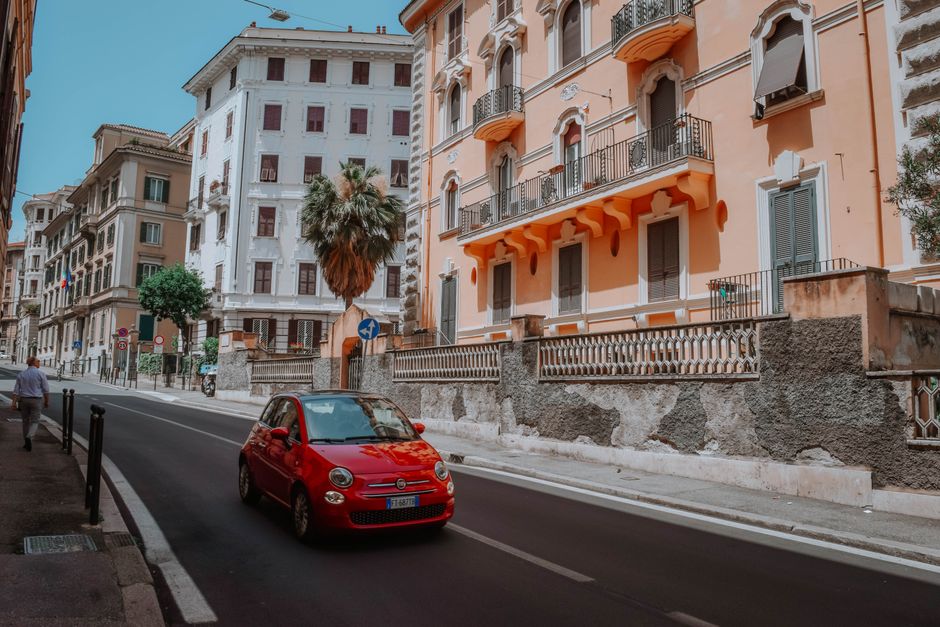
This route works as a loop starting and ending in Rome. You can fly into Rome Fiumicino (FCO), pick up a car, and drive. The total driving time is about 14 hours spread over 10 days. No single leg exceeds 2.5 hours.
10-Day Itinerary Breakdown
| Day | Base Town | Region | Key Food Experience | Drive Time |
|---|---|---|---|---|
| 1 | Rome | Lazio | Pick up car, stock up on snacks | 0 |
| 2 | Ascoli Piceno | Le Marche | Olive ascolane (fried stuffed olives) | 2.5 hrs |
| 3 | Urbino | Le Marche | Casciotta d’Urbino cheese tasting | 1 hr |
| 4 | Campobasso | Molise | Truffle hunting experience | 2 hrs |
| 5 | Termoli | Molise | Fresh seafood on the Adriatic coast | 1 hr |
| 6 | Matera | Basilicata | Bread tour in the Sassi caves | 2 hrs |
| 7 | Matera | Basilicata | Aglianico wine tasting at a volcanic vineyard | 0.5 hrs |
| 8 | Potenza | Basilicata | Pasta-making class (cavatelli) | 1 hr |
| 9 | Rome | Lazio | Return car, fly out | 4 hrs |
| 10 | Rome | Lazio | Buffer day / depart | 0 |
Tip: Book accommodation in Ascoli Piceno and Matera at least 6 weeks ahead. Both towns have limited hotel stock (under 500 rooms each). For the other stops, you can book 2 weeks out.
Step 2: Book the Right Car and Insurance
Italian backroads in these regions are narrow, winding, and sometimes unpaved. A compact SUV like a Fiat 500X or a Toyota Yaris Cross is the sweet spot. It fits on tiny streets but has enough ground clearance for farm roads.
Rent from a local agency, not the big airport chains. LocalRent.com lists independent Italian rental companies. You will pay €35-45 per day instead of €60-80. The catch: you need a credit card and a valid driver’s license. International Driving Permit required for US and Canadian license holders (€20 from AAA).
Common mistake: Skipping the zero-deductible insurance. Buy it directly from the rental agency or use a third-party insurer like Insurance4CarHire (€4.50/day). A cracked windshield on a gravel road near Campobasso costs €800 to replace. Do not risk it.
Step 3: Find the Best Food Experiences (Not the Tourist Ones)
Skip restaurant reservations. Book experiences instead. Here are three specific ones that deliver the best food-to-dollar ratio.
Truffle Hunting in Molise
Book a half-day with Tartufi Molisani (€65 per person). You walk through the forest with a trained Lagotto dog, dig for black truffles, then cook a simple pasta with what you found. The owner, Marco, speaks English. He sends you home with 50g of truffle. That alone covers the cost — 50g of black truffle in a shop costs €40.
Olive Oil Tasting in Le Marche
Frantoio di Santa Sofia near Ascoli Piceno offers a guided tasting of five single-estate oils (€20). You learn to distinguish between early-harvest (grassy, peppery) and late-harvest (fruity, buttery). They sell bottles for €12-18. Same oil in a US specialty store costs $35.
Pasta-Making Class in Basilicata
Mamma Rosa’s Cooking in Potenza (€50 per person, 3 hours). You make cavatelli and orecchiette from scratch, then eat them with three sauces. The class maxes out at 6 people. Book via her website — no third-party markup.
Step 4: Budget Realistically for 10 Days
Here is the actual cost breakdown for two people in 2026. Prices are in euros and include everything except flights.
| Item | Cost (€) | Notes |
|---|---|---|
| Car rental (10 days) | 380 | Compact SUV via LocalRent.com |
| Fuel | 150 | ~1,200 km total, diesel at €1.70/L |
| Tolls | 45 | Mostly on A14 and A1 highways |
| Accommodation (9 nights) | 720 | €80/night average for agriturismo or B&B |
| Food (meals + groceries) | 600 | €30/person/day for lunch and dinner |
| Experiences (3) | 270 | Truffle hunt + oil tasting + pasta class |
| Parking | 30 | Blue zone parking in towns |
| Total | 2,195 | ~€1,100 per person |
Compare: A similar 10-day trip through Tuscany costs at least €1,800 per person. These regions save you 40% while delivering better food quality.
When This Trip Is a Bad Idea
This road trip is not for everyone. Here is when you should choose something else.
You hate driving on narrow roads. The road from Urbino to the coast (SS73bis) is a single lane with hairpin turns for 30 km. If you get nervous with a cliff on one side and a stone wall on the other, stick to train travel between major cities.
You want nightlife. These towns shut down at 10 PM. Matera has a few wine bars open until midnight, but Campobasso and Ascoli Piceno are quiet after dinner. If you need clubs or late bars, go to Milan or Bologna.
You have mobility issues. Many agriturismi are up gravel driveways with no elevator. The Sassi of Matera require walking on steep stone stairs. Call ahead and ask about ground-floor rooms.
You are vegan. Italian cuisine in these regions is meat-and-cheese heavy. You can find pasta with tomato sauce and grilled vegetables, but the signature dishes (olive ascolane stuffed with meat, lamb in Molise, pecorino in Basilicata) are not vegan-friendly. Stick to coastal Liguria or Sicily for better plant-based options.
Common Mistakes That Ruin the Trip
I see travelers make these errors every season. Avoid them.
- Booking restaurants through Google Maps. The top-rated restaurant in Campobasso is a tourist trap. Ask your agriturismo host for their personal recommendation. You will get the place where locals eat.
- Not carrying cash. At least 40% of small trattorias and farm shops in Molise and Basilicata do not accept cards. Withdraw €200 at the start. You will use it.
- Relying on Google Translate for menus. Download the Menu Italian app (free, offline). It translates regional dialect dishes. “Olive all’ascolana” is not just olives — it is stuffed with pork, beef, and parmesan, breaded and fried.
- Driving after a long lunch. A typical Italian lunch goes from 1 PM to 3 PM and includes wine. Pull over at your accommodation for a nap. Driving on rural roads after a bottle of Aglianico is dangerous and stupid.
- Overpacking. Agriturismo rooms are small. You do not need more than one suitcase per person. Leave room for olive oil bottles and truffle jars to bring home.
One more: Do not plan every meal. Leave at least 3 dinners unbooked. Walk into a place that looks full of locals. That spontaneous meal is often the best one of the trip.
The Bottom Line on This Route
Le Marche, Molise, and Basilicata give you the Italy that exists before tourism. The food is direct — the farmer who grew the olive oil is the same person pouring it at your table. The roads are quiet. The prices are fair. And you leave with a bag of truffles and a phone full of recipes you will actually cook at home.
Book the car. Pack light. Bring cash. And let the grandmothers feed you.