
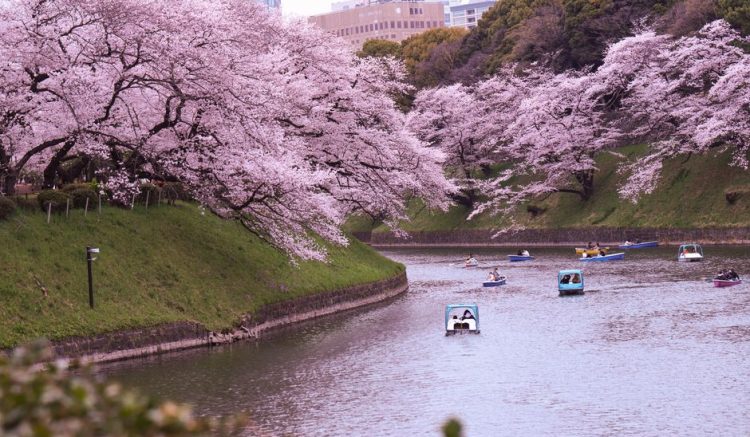
My strongest spring travel advice is simple: do not chase the first warm weekend everyone else has noticed. Travel two to six weeks before peak summer, avoid school holidays, and stay in a smaller city near the famous one. That combination has saved me more money than loyalty points ever did. The catch is that spring shoulder season travel rewards careful timing. Weather can swing, some attractions run reduced hours, and the cheapest fare can punish you with a distant airport or poor luggage rules.
Which Spring Weeks Actually Save Money?
My cheapest-week rule
I start by marking the expensive dates before I search for anything. Easter week, spring school breaks, local public holidays, marathon weekends, and the first warm weekend after a long winter can erase the shoulder-season discount overnight. For most European trips, I first check late March, the second half of April, and the first two weeks of May. For Japan, I avoid the main cherry blossom window and Golden Week. The exact dates move, so I search a whole month instead of picking a Friday and working backward.
What the fare calendar hides
A low headline fare is not automatically a cheap trip. I treat those numbers as planning examples, not promises. My real comparison includes the ticket, one carry-on, transport from the airport, and the time cost of a very early departure. The winner is the cheapest complete journey, not the cheapest search result.
Why Shoulder Season Costs Less in the First Place

The demand gap matters more than the weather
Shoulder season is cheaper because hotels, airlines, restaurants, and attractions are trying to fill capacity between two stronger demand periods, so a city can feel nearly ready for summer while its prices still reflect a quieter month.
The trade is uneven, not universal
That discount disappears when a destination has a fixed event, a school holiday, a cruise arrival, or a short natural spectacle, which means a supposedly quiet spring destination can cost more than July on one specific weekend and far less the weekend after.
Weather also changes the value calculation because a mild 16°C day with rain may be more useful for galleries, food markets, and long lunches than a hot day when every outdoor sight is packed, but it is a poor deal for a beach trip that depends on warm water and reliable sunshine.
I prefer spring destinations with several indoor and outdoor reasons to visit, because that mix protects the trip from one bad forecast and lets me use the low-demand pricing without pretending spring has the same conditions as summer.
How I Build a Low-Crowd Spring Itinerary
Start with the route, not the landmark
- Tuesday-to-Thursday arrival: I look for a midweek arrival because business routes and weekend breaks create different price spikes, and the first night often costs less outside Friday and Saturday.
- One major base: I choose one city for three or four nights instead of moving every day, then add one short regional trip by train or bus. This cuts luggage fees, check-in time, and the risk of missing a connection.
- Early access: I place the most famous attraction on the first full weekday morning, usually before 9:30, then keep the afternoon flexible. A timed ticket does not help much if the entire surrounding district is crowded.
- Weather backup: I reserve one indoor day for every three outdoor days. Museums, food halls, thermal baths, historic libraries, and covered markets give a rainy forecast somewhere to go.
- Local holiday check: I search the destination government calendar and the official attraction calendar before paying for a nonrefundable room. A national holiday can close small shops while sending domestic visitors into the major sights.
When I use trains, buses, or an open-jaw flight
I compare point-to-point tickets against an Eurail Global Pass instead of assuming the pass is cheaper. If four separate train tickets total less than the pass plus seat reservations, I buy the tickets. I also check open-jaw flights, such as arriving in Milan and leaving from Rome, when the return to the original airport would cost a full travel day. The best route is the one that removes a backtrack.
Where to Go When Big Capitals Get Busy

Use the second-city swap
My favourite spring move is replacing the famous base with a nearby city that has its own identity. Instead of sleeping in Amsterdam during a packed tulip weekend, I might use Utrecht or Haarlem and visit Amsterdam early on a weekday. Instead of paying the highest Paris rate, I might stay in Lyon for a food-focused trip or use a smaller town along the rail line for a few nights. The goal is not to hide from famous places completely. It is to stop paying the famous-city premium for every night.
This works because travel demand is concentrated. Visitors gather around a short list of postcard districts, while the rest of the region can remain calm. The quieter base often has better restaurants at lower prices, a more normal grocery shop, and a station that connects to the main attraction without a long airport transfer. I still check the last return train before committing. A cheap room is useless if the final connection leaves at 6:10 p.m. and forces an expensive taxi.
Match the destination to spring weather
In northern Europe, I favor cities with strong indoor culture: Copenhagen, Berlin, Vienna, and Edinburgh can support a good trip through rain and cool evenings. In southern Europe, Seville, Valencia, Palermo, and Athens can offer comfortable walking weather before summer heat becomes tiring. Coastal villages are more fragile choices because restaurants, ferries, and beach businesses may operate on reduced schedules. A spring trip to a resort town can feel empty in a pleasant way, or closed in a frustrating way.
Choose neighbourhoods with two transport options
I want a spring base within walking distance of a train, tram, or metro line and a useful cluster of cafes or markets. That matters when rain makes a long walk unpleasant or a late arrival cancels the original plan. I avoid isolated airport hotels unless the flight leaves before public transport starts. My clear preference is a second city with direct rail access to the famous city, because it combines lower nightly prices with easy access to the sights people came to see.
What Cheap Spring Travel Makes You Give Up

Does bad weather ruin a shoulder-season trip?
Usually, no, but a trip built around one outdoor activity can fail fast. I would not choose early spring for a sailing holiday that needs stable wind, a high mountain route that depends on open lifts, or a beach stay where swimming is the entire point. For city travel, I solve the weather problem with shorter outdoor blocks, waterproof shoes, and a flexible indoor list. I also leave one unscheduled afternoon instead of filling every hour with prepaid tickets.
Are reduced hours a real problem?
They can be. Smaller museums, ferries, gardens, and restaurants may open fewer days before summer. I check official opening hours for the exact week, not the general seasonal page, and I avoid placing a small attraction on my final day. Major museums often remain reliable, but a remote castle may have one guided entry at 11:00 and no service afterward. Spring rewards people who check details early.
When should I pay more for peak season?
Pay more when the trip depends on reliable conditions, a once-a-year event, or a family schedule that cannot move. I would choose June over April for a long hiking route with snow risk, and I would pay July prices for a wedding weekend rather than gamble on a distant room. Cheap travel is only useful when it supports the purpose of the trip. If the lower fare forces you to remove the activity that mattered most, it was false economy.