
I’ve been traveling solo through New Zealand for three months now. Two years ago, I made nearly every mistake on this list. I ran out of money in Queenstown, slept in a freezing car near Wanaka because I couldn’t find a hostel, and almost missed the Tongariro Alpine Crossing because I didn’t book ahead. Don’t be me. Here’s exactly what to avoid.
Mistake #1: Not Booking Your First Few Nights Before You Land
This is the single biggest error I see at Auckland Airport. Travelers walk off a 12-hour flight expecting to find a cheap bed that night. In peak season (December-February), hostels in Queenstown, Wanaka, and Christchurch book out two weeks in advance. I watched a guy sleep at the Queenstown airport baggage claim last January because every hostel within 50km was full.
What to do instead
Book your first three nights before you leave home. Use Booking.com and filter by ‘free cancellation’ — you can always change plans later. If you’re on a budget, the YHA Queenstown Lakefront (dorm bed from $45 NZD/night) has reliable availability if you book 10+ days out. Don’t gamble on walk-in rates. They don’t exist in summer.
The one exception
If you’re arriving in February (shoulder season) and heading straight to a smaller town like Nelson or New Plymouth, you might find last-minute spaces. But Auckland, Queenstown, and Christchurch? Book ahead. Period.
Mistake #2: Buying a Random SIM Card at the Airport Kiosk
The $89 NZD tourist SIM from Spark at the Auckland Airport counter is a rip-off. I bought one. Regretted it for three weeks. Here’s the real deal.
| Provider | Plan | Data | Price (NZD) | Coverage |
|---|---|---|---|---|
| Skinny | Prepaid $26 | 2GB + unlimited social | $26/month | Excellent (uses Spark network) |
| 2degrees | Prepaid $35 | 8GB | $35/month | Good in cities, weak in South Island mountains |
| Spark | Tourist SIM | 20GB over 30 days | $89 | Best overall, but overpriced |
Go to a Skinny kiosk or a local dairy (corner store). Grab the $26/month prepaid plan. It runs on Spark’s towers. You get 2GB of full-speed data plus unlimited Facebook, Instagram, and WhatsApp. That’s enough for maps and messaging. If you need more data for streaming, add the $10 data booster. Total: $36. You just saved $53.
Mistake #3: Underestimating the Driving Distances
New Zealand is small on a map. It’s not small on the road. I met a German couple who programmed their GPS from Queenstown to Milford Sound and expected a 2-hour drive. It’s 4 hours each way on winding two-lane roads through mountains. They arrived at the car park at 4pm. The last boat left at 3:30.
Real driving times you need to know
Auckland to Wellington: 8 hours (not 5). Christchurch to Queenstown: 6 hours (not 3). The entire South Island west coast from Nelson to Milford Sound: 12 hours of driving, minimum. Google Maps time estimates are 20-30% too optimistic for NZ roads. Add 30% to every estimate. Always.
If you’re renting a car, get a Jucy Rentals compact car (from $35/day) or a Spaceships campervan (from $90/day) — both include unlimited kilometers. Don’t rent from budget brands that cap mileage at 100km/day. You’ll blow past that before lunch.
Mistake #4: Ignoring the Weather Like It’s a Suggestion
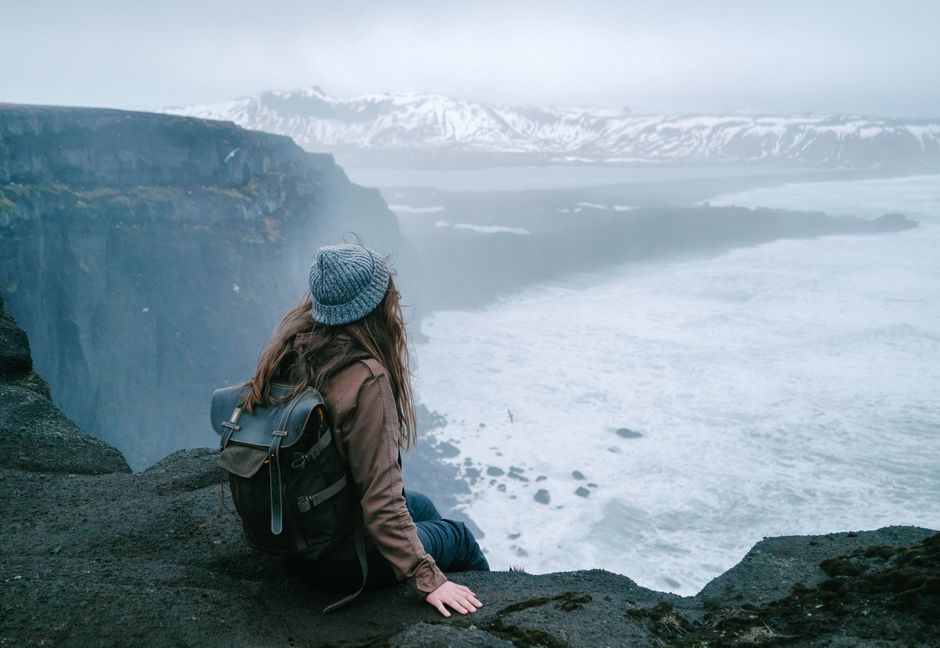
New Zealand weather changes in 20 minutes. Not exaggerating. I hiked the Tongariro Alpine Crossing in January — their summer — and got hailed on, then sunburned, then wind-blown, all in 90 minutes. A British solo traveler near me wore shorts and a t-shirt. He turned back at the first hut. Hypothermia risk is real at 1800m elevation even in summer.
What to pack for any day hike
Always carry: a waterproof jacket (not just a windbreaker), thermal layer, hat, gloves, sunscreen, 2 liters of water, and a headlamp. The Macpac Nitro Down Hoodie ($200 NZD) packs down to the size of a water bottle and saved me on the Routeburn Track. If you don’t own one, rent from Queenstown Mountain Adventures for $15/day. Don’t skip the headlamp. The sun sets at 8:30pm in summer, but clouds can make it dark by 7pm. I’ve seen people descending the Tongariro in phone flashlight. Don’t be that person.
Mistake #5: Not Booking the Great Walks in Advance
New Zealand has nine ‘Great Walks’ — multi-day hikes with huts and campsites. They’re incredible. They also book out within hours of the booking window opening. The Milford Track (4 days, $220 NZD for huts) opens for bookings in May for the following season. It sells out in 30 minutes. I didn’t book. I couldn’t walk it. I sat in Te Anau and watched other hikers gear up while I scrolled my phone.
Your realistic alternatives
If you missed the Great Walk bookings, do the Routeburn Track as a day hike (you can access the first 6km from the Divide car park without a booking). Or book a guided walk with Ultimate Hikes ($1,995 NZD for 3 days on the Routeburn) — expensive, but they have guaranteed hut spots. For budget solo travelers, the DOC (Department of Conservation) huts on non-Great Walk tracks like the Greenstone Track cost $15-25/night and rarely fill up. More remote, equally beautiful.
Mistake #6: Spending All Your Money in Queenstown

Queenstown is a trap. A beautiful, expensive trap. A dorm bed costs $55-70 NZD/night. A Fergburger costs $16. A bungee jump costs $205. I burned $600 in three days there. I should have budgeted $200.
How to do Queenstown on a budget
Stay at Absoloot Hostel Queenstown (dorm from $45/night, free breakfast). Cook your own meals — the FreshChoice supermarket is a 5-minute walk from town center. For activities, skip the $200 bungee and do the Queenstown Hill Walk (free, 2 hours, incredible views). Skip the $150 jet boat and rent a Mountain Bike from Vertigo Bikes ($60 for half a day) and ride the Queenstown Bike Trail. You’ll get the same adrenaline hit for 60% less.
Better yet: limit Queenstown to 2 nights. Spend the rest of your South Island time in Wanaka (cheaper, quieter, equally stunning), Te Anau (gateway to Milford Sound), or the West Coast towns like Franz Josef. Your wallet will thank you.
Mistake #7: Relying Only on Hitchhiking or Public Transport
Hitchhiking is common in New Zealand. It’s also unreliable. I waited 4 hours at a junction near Haast Pass in the rain. A local farmer finally picked me up and told me that stretch of road gets maybe 5 cars an hour in winter. I missed my hostel check-in and had to pay $120 for a last-minute room.
Better transport options for solo travelers
The Stray Bus (hop-on-hop-off pass, from $399 NZD for 7 days) is the best middle ground. You get a flexible schedule, a driver who knows the best spots, and instant friends. Kiwi Experience is similar but more party-focused. If you want total freedom, buy a cheap car. I bought a 2003 Toyota Corolla from a backpacker in Auckland for $2,000 NZD. Sold it in Christchurch three months later for $1,800. That’s $200 for three months of transport. Cheaper than any bus pass.
Where to find cars: Backpacker Car Market (Facebook group) or Turners Auctions. Get a mechanical check at the AA ($150). Don’t skip this. I know a guy who bought a car that had a cracked engine block. He made it 200km.
Mistake #8: Not Having a Backup Plan for Emergencies
New Zealand is safe. But ‘safe’ doesn’t mean ‘nothing ever happens.’ I had my phone stolen from my backpack at a hostel in Christchurch. A solo traveler I met broke her ankle on the Routeburn Track and had to be helicoptered out ($3,500 NZD, not covered by her travel insurance because she bought the wrong policy).
Non-negotiable safety prep
Buy travel insurance that covers search and rescue and helicopter evacuation. I use World Nomads (about $150 NZD for 3 months). They cover tramping up to 3000m and helicopter costs. Read the fine print — many budget policies exclude ‘adventure activities’ which is 90% of what you’ll do in NZ.
Share your itinerary with someone at home. Use the DOC Intentions System (free, online) — you register your tramping route and expected return time. If you don’t check back in, they send a search party. I use this every time I go into the backcountry. It takes 3 minutes.
And carry a PLB (Personal Locator Beacon). You can rent one from Queenstown DOC office for $30/week. It’s a device smaller than a phone. Press the button, and rescue services get your GPS coordinates within 5 minutes. If you’re hiking alone in the backcountry and don’t carry one, you’re gambling with your life. I’m not being dramatic. Cell service drops 2km into most tracks. A broken ankle in the bush without a PLB is a survival situation.
I learned these lessons the hard way so you don’t have to. New Zealand is the best solo travel destination I’ve ever experienced — the landscapes, the people, the sheer adventure of it. But it demands respect. Plan ahead, pack smart, and keep your wits about you. The 8-hour drive from Queenstown to Milford Sound is worth it. Just leave at 6am, bring snacks, and for god’s sake, book that first hostel before you leave home.