

You arrive at the station already tired. Your phone has 46 unread messages, your shoulders feel tight, and the first thing you do after checking into the hotel is open your work inbox. That is not a break. It is work in a different location.
A slow winter trip fixes the problem by removing pressure instead of adding attractions. You stay in one place, plan fewer activities, spend more time outdoors, and let ordinary details take up space again. Snow on a quiet street, a late breakfast, a train ride without a deadline: these are not empty hours. They are the point.
The best version lasts three to five nights. It needs enough structure to prevent boredom, but enough open time for your mind to stop scanning for the next task.
Why a slow winter trip calms an overloaded mind
Fewer decisions give your attention somewhere to rest
Busy trips create a stream of small choices: where to eat, which train to catch, which museum to squeeze in, and how to reach the next hotel. Each choice looks harmless. Together, they keep your brain in planning mode. A slow trip cuts that stream down to a few useful decisions. Pick one base, one main activity per day, and one flexible meal plan. The rest can stay undecided.
Winter helps because the season naturally narrows your options. Shorter daylight discourages frantic sightseeing. Cold weather makes a warm café, a sauna, or a quiet room feel like a real destination. The result is not instant happiness. It is a lower gear.
Repetition creates the feeling of being somewhere
Visit the same bakery twice. Walk the same path in different weather. Learn the name of the person serving breakfast. These repeated details make a place feel familiar, and familiarity lowers the need to stay alert. That is why one village in Finnish Lapland, one neighbourhood in Kyoto, or one small town near the Alps can offer more mental relief than four cities in six days.
Verdict: choose one base and accept that you will leave some attractions unseen. The reset comes from staying long enough for the destination to stop feeling like a checklist.
How to choose a winter destination that supports rest
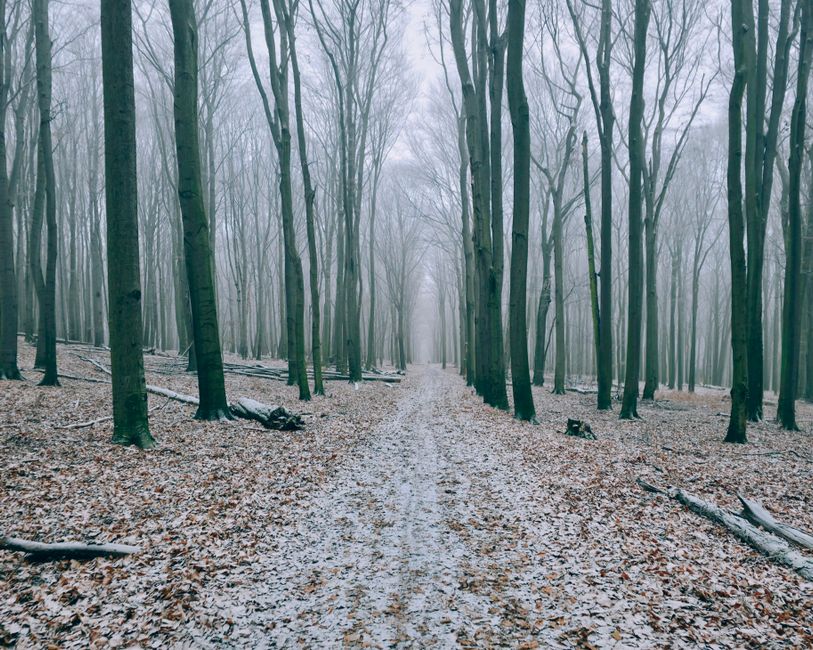
Start with friction, not scenery
A beautiful place can still produce a bad trip if reaching it takes three flights, two transfers, and a rental car on icy roads. Start by measuring travel friction. Aim for one main transport connection after arrival, a walkable base, grocery access within 15 minutes, and at least one indoor option for poor weather. A small town with a direct train beats a famous resort that demands constant driving.
For quiet nature, look at villages near national parks, lakes, or forest trails. For culture, choose a compact historic district with cafés, public baths, galleries, or bookstores. For warmth, select a city where winter life continues outdoors instead of shutting down completely.
Use the five-minute test
Open a map and search from the proposed accommodation. Can you reach breakfast, a useful shop, a calm walking route, and one indoor activity within five to 15 minutes? If the answer is no, the location will push you into taxis and schedules. That defeats the purpose.
Check daylight hours, average temperatures, snow conditions, and local closures for your exact dates. A winter trip to northern Finland in January is a different experience from one in late March. You may get deep snow and four hours of daylight, or bright afternoons and icy paths. Pack for the actual conditions, not the picture that sold you the destination.
Verdict: choose the place with the easiest daily life, not the most dramatic photograph.
How to plan three to five days without overplanning
Build the trip around one fixed point
Book one meaningful anchor: a guided forest walk, a thermal bath, a scenic train ride, or a reservation at a restaurant you genuinely want to try. Everything else stays loose. This gives the trip shape without turning every hour into an appointment.
- Choose one base and avoid changing hotels.
- Schedule one anchor activity on the second or third day.
- Leave the arrival day mostly empty.
- Keep one full day with no booking at all.
- Plan the departure route before you arrive so the final morning stays calm.
Use the one-main-activity rule
One main activity means one demanding block, not one attraction. A four-hour hike counts. So does a museum, a long train excursion, or a full day at a spa. Add only easy extras: coffee, a short walk, a market, or a slow dinner. Two major activities in one day often create the same rushed feeling you wanted to escape.
Leave at least 30 minutes between planned movements, and add a two-hour buffer before any important train, flight, or timed entry. Winter delays happen. More importantly, a trip with no spare time feels like a work project.
Verdict: book one anchor, protect one empty day, and treat unscheduled time as part of the itinerary.
What to do during a low-stimulation winter day
Make the day physically simple
The strongest reset day often looks almost boring on paper. Wake without an alarm if possible. Eat a warm breakfast. Walk outside for 30 to 60 minutes, even if the weather is gray. Return somewhere comfortable. Read, write, stretch, nap, or watch the weather change. Go out again for one small purpose, such as buying bread or visiting a local bath. Eat dinner early. Put your phone away for the final hour.
This works because the body gets clear signals: daylight, movement, warmth, food, and sleep. You are not trying to force a breakthrough. You are giving your nervous system fewer reasons to stay ready for the next demand.
Use gentle structure instead of a packed schedule
Structure still matters. Without it, some people spend the entire day scrolling and return home feeling they missed the destination. Use three loose blocks: morning outside, afternoon indoors, evening meal. The blocks can expand or shrink. They only prevent the day from becoming a blur.
Bring one offline activity that fits the setting. A paperback works in a café. A small notebook works on a train. A simple camera can make a familiar walk more attentive without turning it into a content assignment. Avoid carrying six self-improvement goals. One is enough.
Do not use alcohol as the main relaxation plan. It can make the first evening feel easier and damage sleep for the rest of the trip. Do not force outdoor activity during dangerous ice, severe wind, or extreme cold. A warm room with a view is still a valid winter experience.
Let the destination stay ordinary
Buy groceries. Sit beside a window. Watch commuters leave work. These ordinary moments are useful because they stop the trip from becoming a performance. You are not required to return with a dramatic story. You need to return with a mind that has stopped sprinting.
Verdict: build one outdoor block, one indoor block, and one good meal into the day. Leave the rest alone.
Which mistakes stop the reset from working?

Am I still planning too much?
Probably, if every morning has a timed entry, every meal has a reservation, and every transfer has less than 20 minutes of spare time. The fix is blunt: remove one booking from each full day. Keep the activity you would still want after a poor night of sleep. Drop the rest.
What if the weather is terrible?
Make the bad-weather plan before leaving home. List two indoor options, a nearby café, a grocery shop, and a short safe route. Pack waterproof shoes, warm socks, and a layer that handles rain or snow. A winter trip fails when bad weather becomes a personal crisis, not when the sky turns gray.
What if I feel guilty doing nothing?
That guilt usually shows how deeply productivity has shaped your idea of a useful day. Give rest a measurable frame: two hours without work messages, one walk, one proper meal, and bedtime before midnight. You have done enough. Do not turn recovery into another performance review.
The most common booking mistake is choosing a destination because it looks impressive online. The most common behavior mistake is trying to prove the trip was worthwhile by filling it with evidence. A slow trip needs fewer receipts, fewer photographs, and more time that belongs only to you.
Verdict: prepare for bad weather, remove at least one commitment, and stop treating empty time as a problem to solve.