
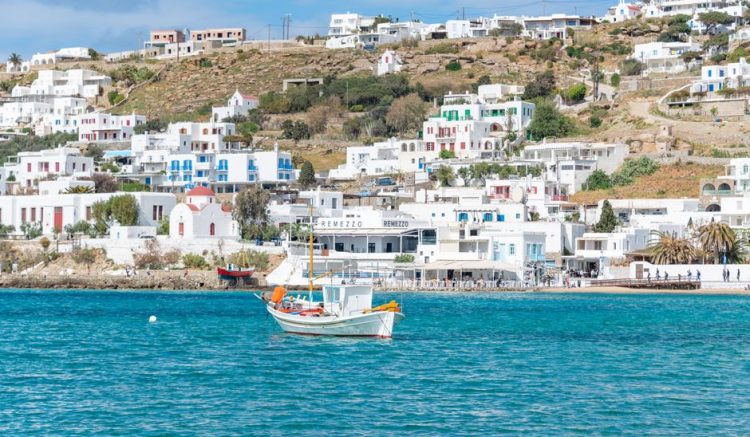
A ferry from Naxos to Paros can start at about €5.50 and take roughly 20 minutes, while a single fast-ferry mistake can cost several times more. That price gap explains the whole Cyclades budget strategy: pick islands that sit on the same route, travel by conventional ferry, and sleep close to a bus stop.
How much does Cyclades island hopping cost in June?
Set a daily ceiling before you choose islands. It leaves room for a ferry day, but not for daily beach clubs, taxis, or private rooms.
| Expense | Daily budget | What that covers |
|---|---|---|
| Dorm bed | €18–€30 | Six- to twelve-bed room in a popular island town |
| Breakfast | €4–€7 | Bakery pastry, yogurt, fruit, and coffee |
| Lunch | €6–€10 | Gyros, souvlaki, salad, or a bakery meal |
| Dinner | €10–€18 | Simple taverna meal away from the waterfront |
| Local transport | €4–€8 | Two or three public-bus rides |
| Ferry reserve | €8–€18 | Average cost spread across short inter-island trips |
| Swimming and snacks | €3–€8 | Water, fruit, beach snack, or a low-cost entry |
| Total | €53–€99 | Aim for €65–€75 on normal days |
Set a weekly ceiling
For seven nights and eight days, plan on €455–€525 for food, dorms, buses, and ferries inside the islands. Add €35–€60 for the mainland-to-Cyclades ferry, plus a separate buffer of €80 for delays, a lost connection, or one expensive night. The low figure works best on Naxos and Paros. Ios can also work when you avoid nightlife spending.
Use cash flow, not just the headline price
A cheap ferry does not make a cheap day if it arrives after the last bus to your village. Add the transfer from port to accommodation, a possible taxi, and a meal while waiting. Budget travellers should compare the full door-to-door cost. A €12 ferry that arrives beside a bus route beats a €7 ferry that forces a €25 taxi.
Which Cyclades route works best for backpackers?
Choose Paros, Naxos, and Ios for the strongest first trip. The islands connect frequently, each offers a different feel, and the route avoids the expensive habit of crossing the entire archipelago for one photo stop. Give the route nine or ten nights, then return through the island with the easiest ferry connection to Athens.
Days 1–3: Start in Paros
Arrive in Parikia and stay within walking distance of the port or the local bus station. Use the first afternoon for the old town and a swim at Livadia Beach. On day two, take the bus to Naousa early, then walk back through the coastal paths or return by bus before dinner. Paros has more polished restaurants than Naxos, so buy breakfast from a bakery and eat one meal away from Naousa’s harbor.
Days 4–7: Slow down on Naxos
Take the short ferry to Naxos and stay in Chora for easy buses, or choose Agios Prokopios if a beach matters more than nightlife. Naxos is the best value anchor because the island has filling local food, long bus routes, mountain villages, and beaches that do not require a boat tour. Spend one day in Halki and Apeiranthos, one beach day, and one low-cost hike around the inland villages. Do not rent a car for the whole stay unless you are splitting it with three or four people.
Days 8–10: Add Ios or stop at Naxos
Choose Ios for beaches, walking trails, and late-night energy. Choose two extra Naxos nights instead if your priority is rest, food, or a lower bill. Ios works for a budget traveller only when you set a nightlife limit before arrival. A €6 ferry followed by three €12 drinks is no longer a cheap travel day. Santorini is best treated as a short viewpoint stop or an airport connection, not the financial centre of a backpacker loop.
This route also has a clean exit: Naxos and Paros both have regular services toward Piraeus in the summer schedule. Keep the final night on the island closest to your departure ferry, not on a remote beach.
How should you book Cyclades ferries cheaply?
Use the slowest practical sailing for long distances and reserve fast ferries for connections that protect a flight or a short trip. Current 2026 route listings show Piraeus–Naxos fares starting around €35, Naxos–Paros around €5.50, and Ios–Santorini around €6.50. These are starting fares, not promises for every departure. Ferryhopper’s 2026 route pages are useful for comparing times, operators, and live availability.
Follow this booking routine
- Map the route first. Put Paros, Naxos, and Ios in order before checking individual tickets. Avoid backtracking.
- Compare conventional and high-speed services. Blue Star Ferries usually takes longer but can protect the budget. SeaJets saves hours on some crossings but often costs more.
- Check the arrival time. A late port arrival can add a taxi, one night near the harbor, or a missed bus.
- Book the expensive leg first. Lock the mainland-to-island and island-to-mainland crossings before short hops.
- Keep a printed or offline copy. Download the ticket PDF and screenshot the sailing number before heading to the port.
- Leave space for wind. June is calmer than later summer, but ferries can still move or cancel. Avoid placing an international flight immediately after an island crossing.
When is the fast ferry worth it?
Pay extra when it saves a hotel night, protects a flight, or turns a long crossing into a useful half-day. Do not pay extra for a 20-minute Naxos–Paros trip just to arrive a little sooner. On a ten-day trip, one carefully chosen high-speed ticket is sensible. Four fast-ferry tickets can erase the money saved on dorm beds.
What mistakes ruin a June Cyclades budget?
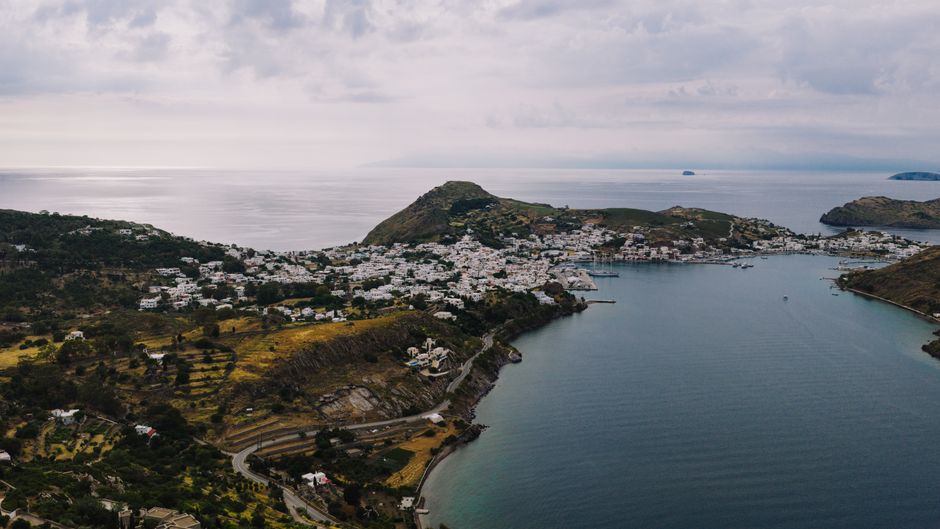
The biggest mistake is building a route from famous names instead of ferry geography. The cheapest itinerary is the one with short, direct crossings and no forced overnight in Athens.
Should you visit every famous island?
No. Three islands in ten nights is the correct limit for a first budget trip. Adding Mykonos and Santorini creates more port transfers, higher food prices, and less time on the beaches you already paid to reach. Pick one premium island only if it has a clear purpose, such as a flight connection or a landmark you would regret missing.
Should you book a room far from the port?
Only if the savings beat the transport cost. A room €8 cheaper can lose its advantage after two €15 taxis. For the first night on each island, stay near the port or a reliable bus route. Move farther out after you understand the timetable.
What happens when the weather changes?
Do not make a tight chain of same-day connections. Keep one flexible day near the middle of the trip and one night before any flight. If a sailing changes, switch to the next island with a direct connection instead of trying to rescue the original plan through three ports. The clear verdict: fewer islands and more slack produce a better trip than a perfect-looking map.
What should you pack and buy before departure?
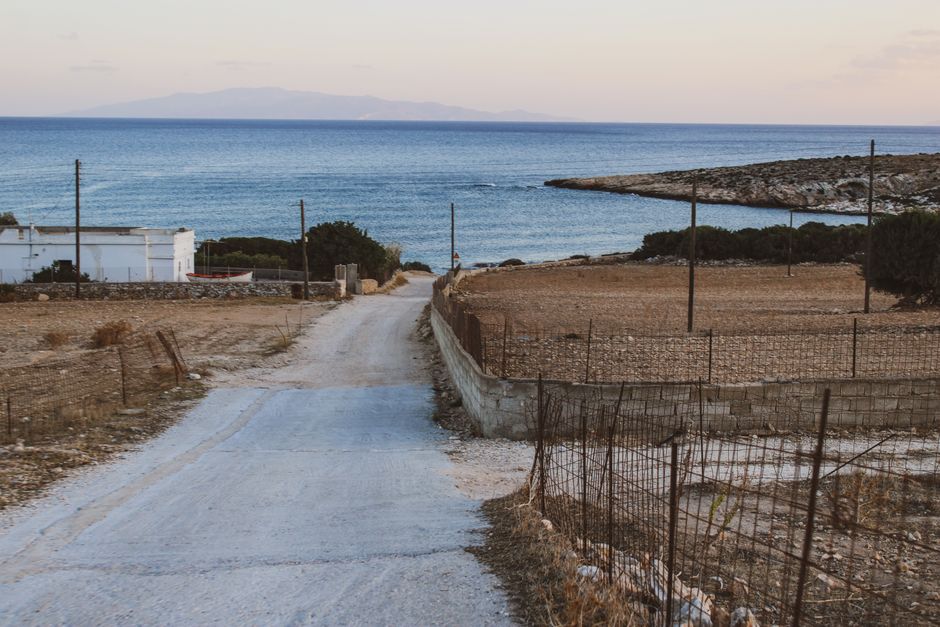
Buy the smallest bag that lets you carry everything yourself. Port ramps, stone lanes, beach paths, and crowded buses punish heavy luggage. A 35–40 litre pack, quick-dry clothes, and an offline map are more useful than a large suitcase.
Best backpack choice for this route
The Forclaz Travel 500 Organizer 40L is the budget pick at about €69.99 on Decathlon Greece. It gives you a clamshell opening and enough space for a ten-day warm-weather capsule wardrobe. Choose it if you want to keep the trip affordable and can accept a less refined harness.
Buy it when you will carry the pack for hours or use it on several future trips. Do not buy it for a one-off holiday if the price would force you to cut ferry or food money.
Connectivity and small items that earn their space
A local physical SIM can be cheaper for a long stay, so skip the eSIM if your phone is locked or you already have affordable European roaming.
Add a €9.99 set of Forclaz packing cubes, a refillable bottle, a thin rain shell, sandals with grip, and a paper copy of your passport details. Pack two swimsuits, three shirts, two pairs of shorts, one long layer, and laundry soap. As ferry schedules and island bus networks become easier to check online, the best budget advantage will come from travelling lighter, choosing tighter routes, and leaving room for the unexpected.