

I’ve been traveling with nothing but a carry-on backpack for the last six years. I’ve dragged them through monsoon season in Vietnam, crammed them under budget airline seats in Europe, and stuffed them full of souvenirs in Japan. I’ve also wasted money on bags that looked great on Instagram but fell apart after three trips.
Here’s the short version: the Osprey Farpoint 40L is still my go-to for long-term backpacking, but the Tortuga Travel Backpack 40L beats it for short business trips. The Nomatic Travel Pack 40L? I’ll tell you exactly why I sold mine after two months.
Why Most Travel Backpacks Fail at International Travel
Most bags marketed as “carry-on” fail for one simple reason: they ignore budget airline size limits. Ryanair, EasyJet, AirAsia, and Spirit all have strict dimensions. A bag that fits Delta overhead bins perfectly might get flagged at the gate in Barcelona.
I’ve seen travelers forced to check a bag because their “carry-on” was 2cm too deep. That costs time and money. The backpacks I recommend here all pass the Ryanair sizer test (40 x 20 x 25 cm) when not overstuffed.
What Actually Makes a Backpack Carry-On Compliant?
Three numbers matter: height, width, and depth. Most airlines allow 55 x 35 x 20 cm for standard carry-on. Budget carriers drop the depth to 20 cm. A 40L bag that’s 30 cm deep will get rejected. Look for bags with a depth of 22 cm or less when empty.
The Hidden Problem: Weight
Nobody talks about bag weight. A 1.8 kg backpack eats into your 7 kg carry-on allowance. The Osprey Farpoint 40L weighs 1.5 kg. The Nomatic Travel Pack 40L weighs 2.1 kg. That 0.6 kg difference is a pair of jeans or a tablet you can’t bring.
Osprey Farpoint 40L — The Backpacker’s Standard (2026)
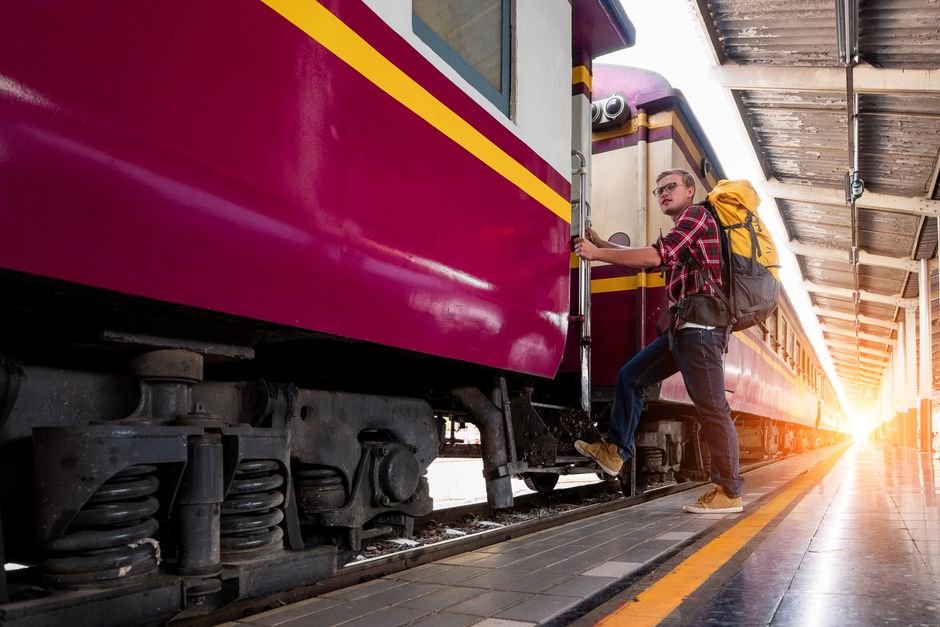
This bag has been my primary travel companion for three years. I’ve put roughly 200 flights on it. The frame is still solid, the zippers haven’t failed, and the harness system is the most comfortable I’ve used under 15 kg of load.
Price: $190. Weight: 1.5 kg. Dimensions: 54 x 35 x 22 cm.
The suspension system is what separates it from the competition. A stowable hip belt transfers weight to your hips, not your shoulders. I walked 8 km through Tokyo with 12 kg in this bag and barely felt it. The Nomatic and Tortuga don’t have real load-bearing hip belts — they have thin straps that do almost nothing.
What I Don’t Like
The laptop compartment is shallow. A 16-inch MacBook Pro fits, but just barely. The organization is minimal — one large main compartment and a front pocket. You’ll need packing cubes. The fabric (300D polyester) isn’t waterproof. I use a rain cover in heavy rain.
Tortuga Travel Backpack 40L — Best for Short Trips
The Tortuga is built for the traveler who stays in hotels and moves every 3-4 days. It opens like a suitcase (clamshell design), has a dedicated shoe compartment, and the laptop sleeve fits a 17-inch laptop easily.
Price: $249. Weight: 1.8 kg. Dimensions: 55 x 35 x 22 cm.
The organization is excellent. There’s a front admin panel with slots for pens, passports, and cables. The shoe compartment is separate from the main clothes area — a feature I love after a day of hiking in wet boots.
Why I Don’t Use It for Long Trips
The hip belt is not load-bearing. It’s a thin strap with small foam pads. Walking more than 2 km with 12 kg hurts. For airport-to-hotel trips, it’s fine. For multi-month backpacking, get the Osprey.
Nomatic Travel Pack 40L — The One I Returned

I bought the Nomatic Travel Pack 40L in 2026 with high expectations. The Kickstarter hype was real. The bag looks sleek, has a million pockets, and the expandable design (20L to 40L) seems genius.
Price: $299. Weight: 2.1 kg. Dimensions: 53 x 35 x 22 cm (expanded).
Here’s the problem: it’s over-engineered. The expansion zipper adds weight and complexity. The “shoe compartment” is tiny — my size 11 sneakers barely fit. The water bottle pocket is internal, so if the bottle leaks, everything gets wet. The back panel has no ventilation. I sweated through my shirt walking 15 minutes to a hostel in Bangkok.
Who Should Buy the Nomatic?
If you carry a lot of tech gear and need extreme organization, it works. The built-in cable organizer and RFID pocket are genuinely useful. But for general travel? The weight penalty and lack of comfort make it a hard sell at $299.
Comparison Table: Osprey vs. Nomatic vs. Tortuga
| Feature | Osprey Farpoint 40L | Tortuga Travel 40L | Nomatic Travel Pack 40L |
|---|---|---|---|
| Price | $190 | $249 | $299 |
| Weight | 1.5 kg | 1.8 kg | 2.1 kg |
| Hip Belt | Stowable, load-bearing | Thin, non-load-bearing | Thin, non-load-bearing |
| Laptop Size | Up to 16″ (tight) | Up to 17″ | Up to 16″ |
| Clamshell Opening | No (top-loader) | Yes | Yes |
| Water Bottle Pocket | External (mesh) | External (mesh) | Internal |
| Best For | Long-term backpacking | Short business trips | Tech-heavy travel |
Two More Worth Mentioning: Aer and Peak Design
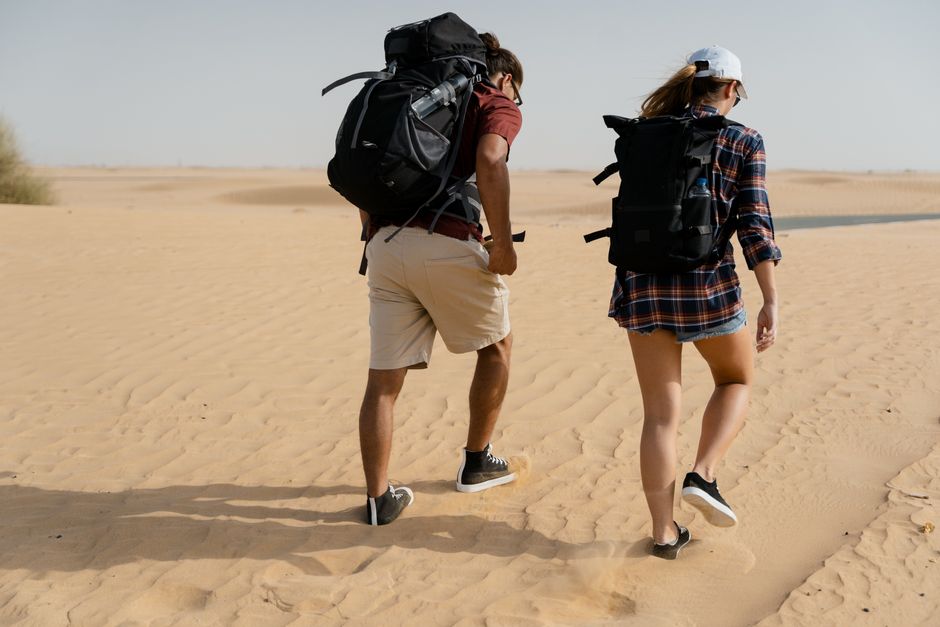
I’ve tested the Aer Travel Pack 3 (Small) and the Peak Design Travel Backpack 45L. Both are excellent but have specific niches.
Aer Travel Pack 3 Small — The Minimalist’s Choice
Price: $239. Weight: 1.8 kg. Dimensions: 50 x 33 x 21 cm. This is a 35L bag that fits under seats on most budget airlines. The organization is clean — one main compartment, a padded laptop sleeve, and a front quick-access pocket. The fabric (1680D Cordura) is bombproof. I’ve seen one survive a fall down an escalator. But the hip belt is almost non-existent. This is a city bag, not a trekking bag.
Peak Design Travel Backpack 45L — The Photographer’s Bag
Price: $299. Weight: 2.1 kg. This bag expands from 35L to 45L. The internal camera cube is brilliant for photographers — I can fit a body, three lenses, and a drone. But the bag is heavy, and the harness system is mediocre for the price. At 45L expanded, it’s too big for some budget airlines. I only use this when I’m shooting paid work.
Common Mistakes When Buying a Carry-On Backpack
I’ve made every mistake here. Learn from mine.
Mistake 1: Ignoring the Hip Belt
If you walk more than 15 minutes with your bag, a real hip belt is non-negotiable. The Osprey Farpoint’s belt transfers 80% of the weight to your hips. The Nomatic’s belt transfers maybe 10%. Your shoulders will ache after an hour.
Mistake 2: Buying Based on Capacity Alone
A 40L bag that weighs 2.1 kg leaves you 4.9 kg for your stuff (assuming a 7 kg limit). A 1.5 kg bag gives you 5.5 kg. That 0.6 kg difference is huge. Always check the bag’s weight before buying.
Mistake 3: Overlooking the Water Bottle Pocket
Internal water bottle pockets are terrible. If the bottle leaks, your clothes get wet. If you put a hot bottle in there, it heats up your electronics. External mesh pockets are better. The Osprey and Tortuga have them. The Nomatic doesn’t.
When NOT to Buy a Carry-On Backpack
If you’re going on a guided tour where a bus carries your luggage every day, get a wheeled suitcase. If you’re traveling for a weekend and staying in one hotel, a duffel bag works fine. If you’re carrying camera gear, get the Peak Design. There’s no universal best bag.
My Verdict: Which One Should You Buy?
For long-term backpacking (3+ months): Osprey Farpoint 40L ($190). The comfort-to-weight ratio is unbeatable. You’ll thank me after your tenth 2 km walk with a full load.
For short business trips (1-7 days): Tortuga Travel Backpack 40L ($249). The organization and clamshell opening make hotel life easy. You’re not walking far, so the weak hip belt doesn’t matter.
For tech-heavy minimalists: Aer Travel Pack 3 Small ($239). It’s the most under-seat-friendly bag on this list. I’ve flown Ryanair and Spirit with it without a second look.
Skip the Nomatic Travel Pack 40L unless you absolutely need the cable organization and don’t mind the weight. The Osprey and Tortuga do everything better for less money.
I still use my Osprey Farpoint for every trip longer than a week. It’s not the prettiest bag, but it’s the one that doesn’t hurt my back. That’s worth more than a sleek design.