
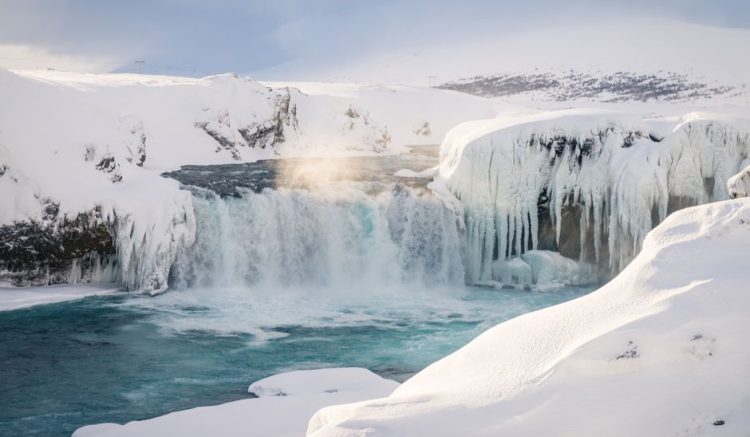
Iceland in winter is a different beast. Daylight lasts four hours. Wind can knock you sideways. And the weather changes faster than a toddler’s mood. After three trips there — one in February, one in March, one in November — I’ve nailed down exactly what works and what doesn’t. This is the list I use every time. No filler. Just the gear that survived sideways sleet on the Snaefellsnes Peninsula and kept me warm at 2 AM in the Blue Lagoon parking lot.
The Three-Layer System That Actually Works in Iceland
Forget fancy fabrics. The rule is simple: wick, insulate, block. If any layer fails, you’re cold. Here’s exactly what I use.
Base Layer: Merino or Nothing
I pack two Icebreaker 200 Oasis Long Sleeve Crew tops ($90 each). They don’t stink after a week. Wash one in a sink, wear the other. For bottoms, Smartwool Classic Thermal Merino 250 leggings ($100). Do not use cotton. Cotton kills in wet cold.
Mid Layer: The Workhorse
Patagonia R1 TechFace Hoody ($179). It breathes when you’re hiking, traps heat when you stop. If you run cold, add a Patagonia Nano Puff Hoody ($279) on top of the R1. That combo got me through -10°C windchill at Dettifoss waterfall.
Outer Shell: Must Be Windproof and Waterproof
Arc’teryx Beta AR Jacket ($700). Overpriced? Yes. Worth it? Also yes. It’s a hard shell that blocks wind completely and doesn’t wet out after four hours of rain. Cheaper option: Outdoor Research Foray ($225). It’s 90% as good for half the price.
Verdict: If you buy one expensive item, make it the shell. A cheap rain jacket will fail you in Iceland.
Footwear: The Two-Pair System
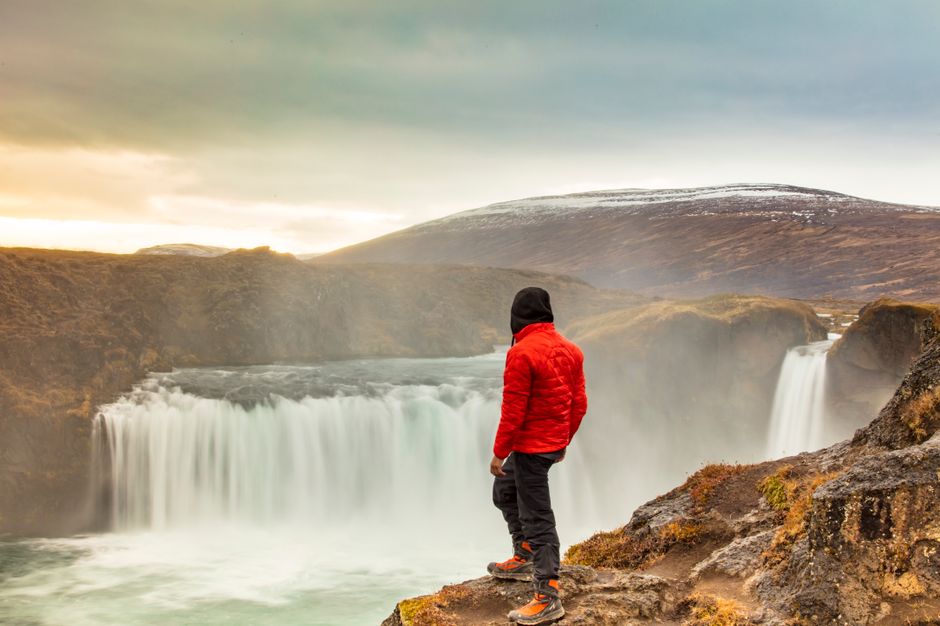
Your feet will hit ice, slush, lava rock, and geothermal mud. One pair of boots won’t cut it.
Waterproof Boots with Real Traction
Sorel Caribou Boots ($200). They’re ugly. They’re heavy. They’re the only boots that kept my feet dry and warm during a full day of walking on glacial ice and through ankle-deep slush. The removable liner is a lifesaver — dry it on the hotel heater overnight. Alternative: Merrell Moab 3 Mid Waterproof ($140) if you want something lighter for hiking, but you’ll need microspikes.
Waterproof Hiking Shoes (for non-ice days)
Merrell Moab Speed 2 GTX ($150). I wear these 70% of the trip. They’re light, grippy, and dry fast. On days when the trail is just wet rock (no ice), these beat the Sorels every time.
Critical mistake: Do not bring fashion boots. No Timberlands. No Blundstones. The soles are too smooth for ice. You’ll fall.
Accessories That Save Your Trip
Here’s where most people mess up. They pack a “beanie” and call it done. Here’s what I actually use.
- Balaclava: Black Diamond Half Dome Balaclava ($35). Covers your neck and face when the wind hits 50mph. I wore this every day near Vik.
- Wool hat: Smartwool Merino 250 Cuffed Beanie ($30). Fits under a hood. No acrylic beanies — they hold moisture.
- Gloves: Two pairs. Hestra Ergo Grip Active ($80) for hiking. They’re dexterous enough to use a phone. Then a cheap pair of fleece gloves ($15) for driving. When the Hestras get wet, switch to the fleece and dry the Hestras on the dash.
- Neck gaiter: Buff Merino Wool ($35). Covers your neck. Pull it up over your nose when the wind is biting.
One thing almost everyone forgets: a pair of Rainbow Sandals ($55). For the Blue Lagoon, for the hotel room, for when your boots are soaked. Your feet will thank you.
Electronics and Gadgets (Don’t Overpack)
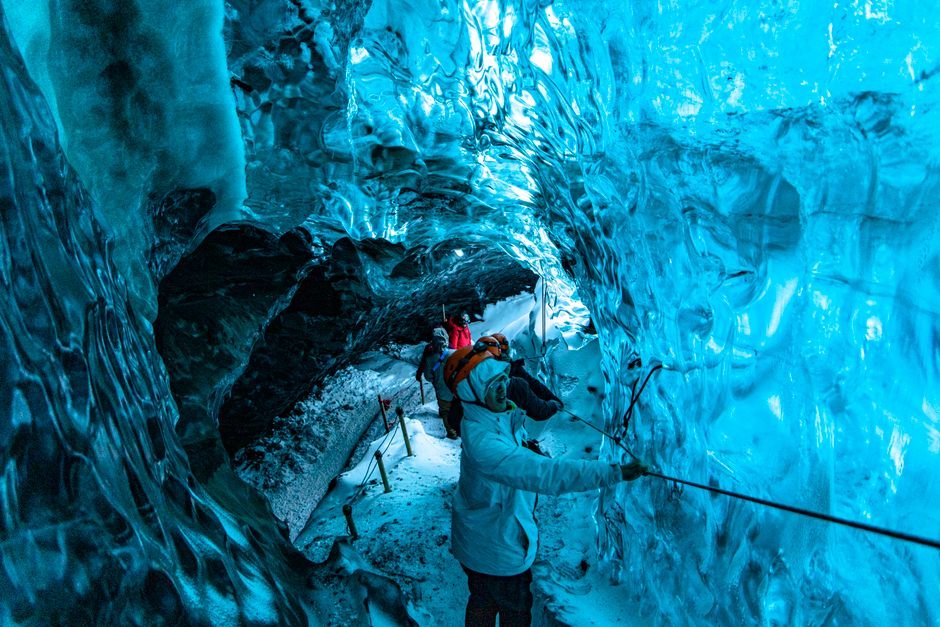
I see people bring laptops, tablets, cameras with three lenses, and a drone. You don’t need most of it. Here’s what I actually carry.
| Item | Why I Bring It | Specific Model & Price |
|---|---|---|
| Phone | GPS, maps, photos, booking everything | iPhone 15 Pro (you already own one) |
| Power bank | Phone battery dies fast in cold | Anker PowerCore 20100 ($50) |
| Headlamp (not a flashlight) | You’ll walk in the dark. Hands-free is essential. | Black Diamond Spot 400 ($40) |
| Camera (optional) | Only if you shoot seriously. Phone is fine for 90% of people. | Sony A7C II ($2,200) with one zoom lens |
| Car charger | Driving between sights. Phone dies fast. | Anker 24W USB-C car charger ($15) |
Don’t bring: A laptop unless you’re working. A drone (many areas are restricted). A DSLR with four lenses (you won’t change them in the cold).
The One Item That Saved Me (And You’ll Probably Skip)
I’m going to be blunt: most packing lists tell you to bring “layers” and “good boots” and call it a day. They miss the thing that matters most when you’re standing at a gas station in the middle of nowhere at 9 PM, it’s snowing sideways, and you need to pee.
A portable toilet kit.
Public bathrooms in Iceland outside Reykjavik are rare. Many close in winter. Gas station bathrooms sometimes require a purchase. If you’re driving the Ring Road, you will eventually need to go behind a rock in -5°C wind. I pack a Sea to Summit Wilderness Wipe pack ($8) and a small roll of biodegradable toilet paper in a Ziploc bag. Also a plastic scoop (cut from a milk jug) for digging a cat hole in snow. This is not optional. I’ve used this kit four times on my last trip. Every time, I was grateful.
Second most forgotten item: A Klean Kanteen 32oz insulated bottle ($35). Fill it with hot water from the hotel breakfast buffet. Tuck it inside your jacket. It warms your core for hours. Also, you’ll have water that isn’t frozen solid.
What NOT to Pack (Common Mistakes)
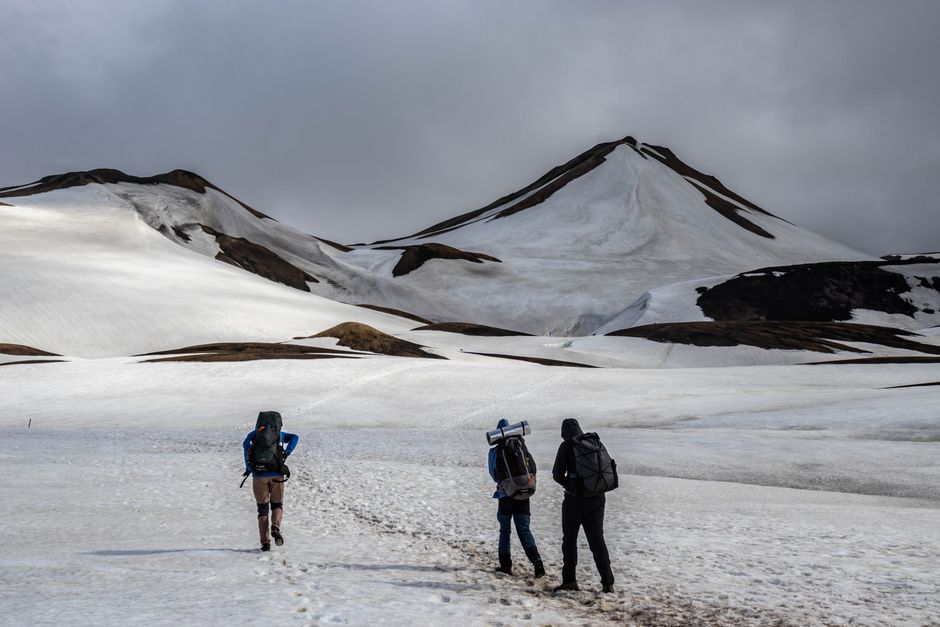
I’ve made every mistake on this list. Save yourself the baggage fees.
- Jeans. They get wet. They stay wet. They freeze. You’ll be miserable. Wear wool pants or softshells.
- A heavy parka (like a Canada Goose). Too bulky. You’ll overheat the moment you step inside a car or a cafe. Layers are better.
- An umbrella. The wind will destroy it in 30 seconds. Rain jacket or nothing.
- Too many shoes. You need two pairs: one heavy boot, one light waterproof shoe. That’s it. No sneakers. No fashion boots.
- Cotton socks. Wool socks only. I pack five pairs of Darn Tough Vermont Micro Crew Cushion ($25 each). They last the whole trip with one wash.
Final verdict: Iceland in winter is about managing moisture and wind. Spend money on your shell, your boots, and your base layer. Everything else is secondary. Pack light, pack smart, and bring that insulated bottle. You’ll thank me when you’re sipping hot water at Seljalandsfoss while everyone else is shivering.