
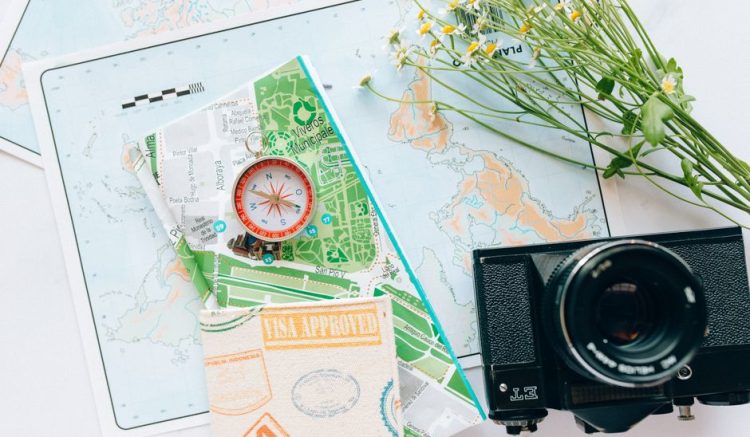
Vietnam runs 1,650 km north to south. The weather in Hanoi in December? 15°C and damp. In Ho Chi Minh City on the same day? 33°C with 80% humidity. You cannot pack for both with a single jacket and call it done. This packing list breaks down exactly what to bring for a 2-week trip across Vietnam, based on real climate data and tested gear choices.
Why Most Packing Lists Fail for Vietnam
Most guides tell you to pack “light layers” and “comfortable shoes.” That advice is useless without specifics. The actual problem is humidity. Cotton t-shirts take 8+ hours to dry in Saigon. Jeans become sweat-soaked within 30 minutes of walking. And that “waterproof” jacket from a generic brand? It will trap heat and leave you drenched from your own sweat.
The failure mode is simple: you bring clothes that work in your home climate but disintegrate in Vietnam’s tropical monsoon conditions. The fix is fabric selection, not volume.
Three rules:
- No cotton underwear. Use synthetic or merino wool. ExOfficio Give-N-Go Boxer Briefs ($28 each) dry in 2 hours on a hotel hanger.
- One pair of shoes only. The Merrell Moab 3 ($120) handles hiking, city walking, and light rain. Second pair = dead weight.
- Leave the jeans at home. Bring one pair of quick-dry travel pants instead. The Uniqlo AIRism Joggers ($40) weigh 180g and dry overnight.
This is not about being minimalist. It’s about being functional in a climate that punishes poor fabric choices.
Essential Clothing: What to Pack for North, Central, and South
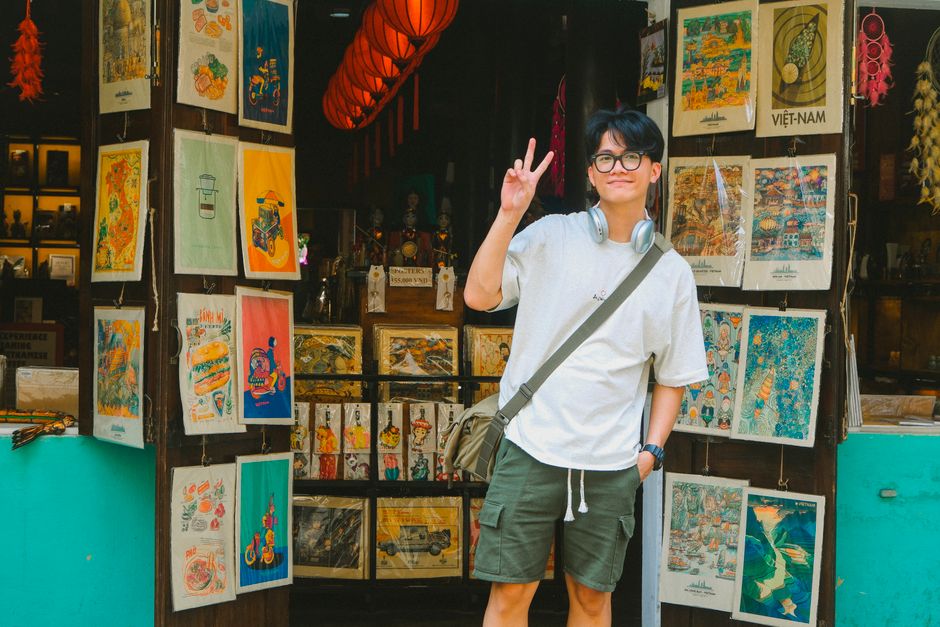
Vietnam has three distinct climate zones. Packing for all three means covering a 20°C temperature swing. Here is the exact clothing list for a 14-day trip that covers all regions.
North Vietnam (Hanoi, Sapa, Ha Giang) — November to March
Temperatures drop to 10°C at night in Sapa. Daytime in Hanoi sits around 18–22°C. Drizzle is common. Bring:
- 1 lightweight down jacket (Uniqlo Ultra Light Down, $80, 200g) — compresses to fist size
- 1 fleece mid-layer (Patagonia Better Sweater, $139) — worn under the down jacket when temps drop below 15°C
- 1 pair of long thermal leggings (Icebreaker Merino 200, $90) — worn under pants for Sapa treks
- 1 beanie or wool hat (Carhartt Acrylic Watch Hat, $20)
Central Vietnam (Da Nang, Hoi An, Hue) — Year-round
Hot and humid. 28–35°C, with rain from September to December. Bring:
- 3 quick-dry t-shirts (Uniqlo AIRism, $20 each) — UV protection rating UPF 40
- 2 pairs of quick-dry shorts (Patagonia Baggies, $55) — 5-inch inseam, dries in 30 minutes
- 1 lightweight rain jacket (Marmot PreCip Eco, $100) — 340g, packs into its own pocket
South Vietnam (Ho Chi Minh City, Mekong Delta, Phu Quoc) — Year-round
Hot and wet. 30–35°C, 80% humidity. Rain every afternoon from May to November. Bring:
- 1 wide-brim sun hat (Sunday Afternoons Ultra Adventure, $45) — UPF 50+, neck flap included
- 2 pairs of sandals (Xero Shoes Z-Trail, $70) — zero-drop, pack flat, good for walking through wet markets
- 1 swimsuit (Speedo Endurance+, $35) — chlorine-resistant, dries fast
Verdict: Pack exactly 5 tops, 3 bottoms, 1 jacket, 1 pair of shoes, 1 pair of sandals. Mix and match. Wash every 2–3 days. This covers all three regions without overpacking.
Gear and Tech: What Actually Survives Humidity
Electronics fail in Vietnam. Not because of voltage — it’s 220V, same as most of Europe and Asia — but because of moisture. Humidity seeps into phone ports, camera lenses, and battery compartments. Here is the gear that handles it.
| Item | Brand / Model | Price | Why It Works |
|---|---|---|---|
| Power bank | Anker PowerCore 10000 | $25 | 10,000 mAh, charges a phone 2.5 times. Small enough for a pocket. Avoid larger banks — they attract theft. |
| Universal adapter | Ceptics World Travel Adapter | $15 | Type A, C, F, G plugs. Vietnam uses types A, C, and F. This covers all. |
| Dry bag | Sea to Summit Ultra-Sil 8L | $30 | Weighs 45g. Keeps phone and passport dry during monsoon downpours and boat rides. |
| Phone | iPhone 15 Pro or Samsung Galaxy S24 | $1000+ | Both have IP68 water resistance. Do not bring a phone without IP rating — condensation will kill it. |
One critical warning: Do not bring a laptop unless you work remotely. Laptops are theft targets on overnight buses and in hostel dorms. If you must bring one, the MacBook Air M3 ($1,099) weighs 1.24 kg and has a fanless design — less dust intake. Pair it with a Moshi Porto Folio sleeve ($50) that seals the ports when closed.
Health and Safety: What You Actually Need in Your Day Bag
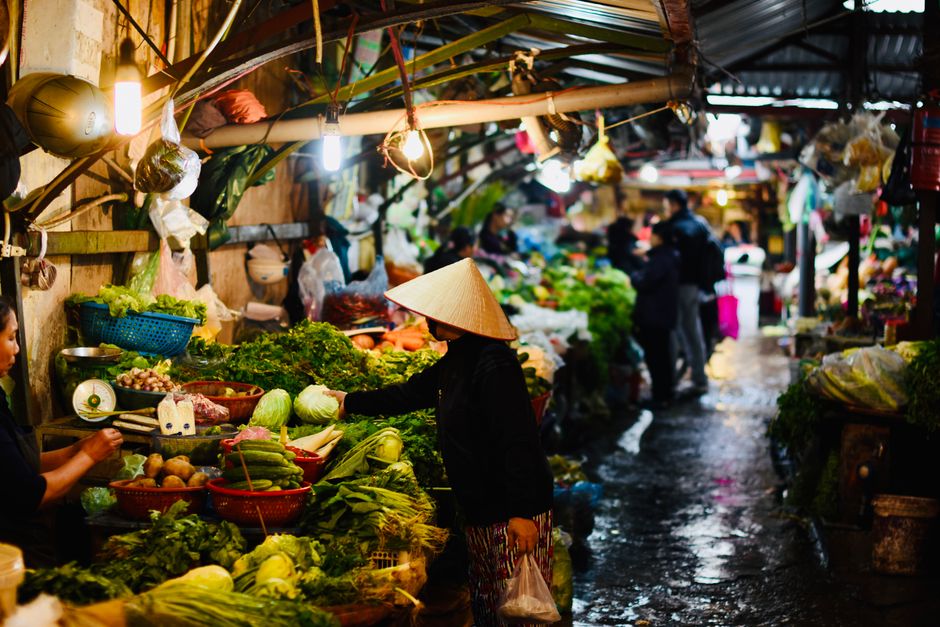
Travellers overpack medical kits. You do not need 30 different pills. Vietnam has pharmacies on every corner — they sell antibiotics, antidiarrheals, and antihistamines over the counter for pennies. What you do need is prevention gear.
Mosquito protection is non-negotiable. Dengue fever cases in Vietnam hit 180,000 in 2026. The vector is the Aedes mosquito, which bites during the day. Bring:
- DEET 30%+ repellent (Sawyer Picaridin 20% is a good alternative — less greasy, same efficacy)
- 1 permethrin-treated clothing spray (Sawyer Permethrin, $15) — spray your pants and socks, lasts 6 washes
- 1 mosquito net (Sea to Summit Mosquito Net, $30) — only needed if you sleep in homestays or bungalows without screens
Sun protection is equally serious. UV index in Vietnam averages 11–12 between 10 AM and 3 PM. That’s “extreme” on the WHO scale. Bring:
- 1 sunscreen SPF 50+ (Supergoop PLAY SPF 50, $22) — 237 ml bottle, enough for 2 weeks of full-body application
- 1 lip balm with SPF (Burt’s Bees SPF 15, $5)
Water safety: Tap water is not drinkable in Vietnam. Do not use it to brush your teeth unless you boil it first. Bring a Grayl Geopress ($90) — it filters viruses, bacteria, and sediment in 8 seconds. Alternatively, buy bottled water everywhere (5,000 VND per liter, about $0.20).
Verdict: Skip the 50-item first aid kit. Bring DEET, sunscreen, a water filter, and know where the nearest pharmacy is. That’s it.
Budget Breakdown: What You’ll Spend on Gear vs. What You Should Skip
Here is the real cost of packing for Vietnam. These are prices in USD, based on current retail. You can cut costs by buying some items in Vietnam — but quality varies wildly.
| Item | Buy Before Trip | Buy in Vietnam | Notes |
|---|---|---|---|
| Quick-dry t-shirts | $20 each (Uniqlo) | $5–8 (local markets) | Local shirts often shrink after 2 washes. Uniqlo holds shape. |
| Rain jacket | $100 (Marmot) | $15 (plastic poncho) | Ponchos work for 1 week. Buy a real jacket if you plan to trek. |
| Sunscreen | $22 (Supergoop) | $8 (Nivea SPF 50) | Nivea is available in every pharmacy. Works fine. |
| Power bank | $25 (Anker) | $10 (no-name) | No-name brands often have false capacity ratings. Stick with Anker. |
| Mosquito repellent | $10 (Sawyer Picaridin) | $3 (Soffell) | Soffell is a Thai brand, widely available, 15% DEET. Works for light exposure. |
Rule of thumb: Buy technical gear (jackets, shoes, electronics) before you leave. Buy consumables (sunscreen, repellent, toiletries) in Vietnam. The markup on imported gear in Vietnam is 30–50%. The markup on local products is near zero.
Total gear cost for a smart packer: $250–$350 for everything you bring from home. Add $30–$50 for items bought on arrival. That’s less than a single checked bag fee on some airlines.
What to Leave Behind: 5 Items That Will Ruin Your Trip
These items look useful on paper. In practice, they cause more problems than they solve.
1. A heavy backpack (65L+). You will walk up stairs, onto boats, and through markets. A 65L bag weighs 2 kg empty. You will hate it by day three. Use a 35–40L bag instead. The Osprey Farpoint 40 ($180) is the standard for a reason — 1.4 kg, carry-on size, good harness.
2. A towel that is not quick-dry. Cotton towels take 24 hours to dry in humidity. They smell musty by day two. Use a PackTowl Personal Towel ($25) — 70g, dries in 1 hour, antimicrobial coating.
3. A multi-tool with a knife. Vietnam has strict knife laws. Carrying a Leatherman with a blade over 4 cm can get you detained. Leave the knife at home. Bring a Victorinox Swiss Card ($30) — scissors, toothpick, tweezers, no blade over 3 cm.
4. A travel pillow. You will use it once on the flight, then it occupies 30% of your bag for 14 days. Use a rolled-up jacket instead. If you must have one, the Trtl Pillow ($30) compresses to the size of a soda can.
5. Formal clothes. You will not need them. No restaurant in Vietnam requires a jacket. No bar requires dress shoes. One pair of clean shorts and a collared shirt (Uniqlo linen shirt, $40) works for every “nice” situation you will encounter.
Final recommendation: Pack for 2 weeks using the list above. Buy nothing you will not use at least 3 times. If you are flying into Ho Chi Minh City, spend your first afternoon at the Ben Thanh market for any missing toiletries. You will save weight and money.