
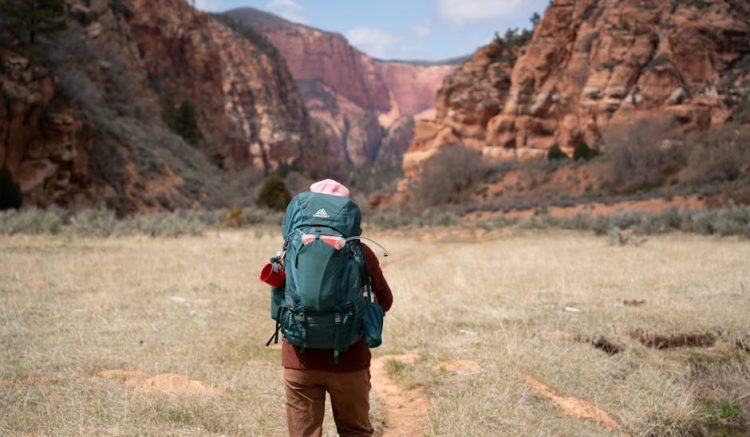
The stream looks flawless — crystal clear, running cold over granite. Giardia lamblia, the protozoan responsible for severe gastrointestinal illness, is invisible to the naked eye and commonly present in backcountry water sources across North America, Europe, and beyond. Treating water before drinking it is not optional on a backpacking trip; the question is which method works reliably for your specific conditions.
What Lives in Backcountry Water and Why Clear Water Misleads You
Most backpackers understand, in principle, that wild water needs treatment. Fewer understand what they’re actually treating against — and that gap tends to produce expensive gear mistakes and misplaced confidence in the wrong products.
Backcountry water sources host three categories of biological threats, each with different sizes, survival behaviors, and vulnerabilities to treatment methods. Knowing which category you’re facing typically determines which product you actually need.
The Three Threat Categories: Protozoa, Bacteria, and Viruses
Protozoa — including Giardia lamblia and Cryptosporidium parvum — are the most commonly encountered pathogens in North American and European backcountry water. Both are shed in animal and human feces and survive in cold water for weeks to months. Cryptosporidium is notably resistant to chemical disinfection at standard field doses, which is why filter-based physical removal is generally the more reliable defense when Crypto is a concern.
Bacteria such as E. coli, Salmonella, and Campylobacter are smaller than protozoa and require either a filter with a 0.2-micron absolute pore size or chemical treatment to neutralize. They’re more common near agricultural land, heavily trafficked trails, or areas where Leave No Trace practices are routinely ignored.
Viruses — Hepatitis A, norovirus, rotavirus — are the smallest threat and cannot be removed by standard hollow-fiber filters. This is the most consequential distinction in the entire category. In North America and Western Europe, the viral load in remote backcountry water is generally assessed as low by public health authorities. In parts of Southeast Asia, South America, and sub-Saharan Africa, that assumption typically does not hold. A filter without viral coverage is the wrong tool for those environments.
Why Altitude and Season Shift the Risk Profile
High-altitude sources above tree line generally carry lower biological contamination because wildlife density and human traffic are both reduced. That said, alpine lakes and tarns in heavily traveled parks — the Sierra Nevada, Colorado’s Fourteeners corridors, the Dolomites — can still carry Giardia because backpackers themselves are often the contamination source.
Spring is statistically the highest-risk season in many alpine environments. Snowmelt, often treated as inherently pure, carries whatever was deposited on snowfields over winter — including animal waste that concentrated through the cold months. Glacial sources require the same treatment discipline as any other backcountry water.
The Contamination Category That No Backpacking Filter Addresses
Biological treatment — hollow-fiber filters, UV purifiers, chemical tablets — does nothing against heavy metals, pesticides, agricultural runoff, or other chemical contaminants. Near mining operations, industrial sites, or high-agriculture watersheds, a standard filter provides a false sense of security against a threat it was never designed to address. For those environments, the practical answer is source research before departure, not field filtration. Know what your route’s watershed history looks like; this is information your filter cannot supply.
Filter vs. Purifier vs. Chemical Treatment: The Technical Differences That Actually Matter
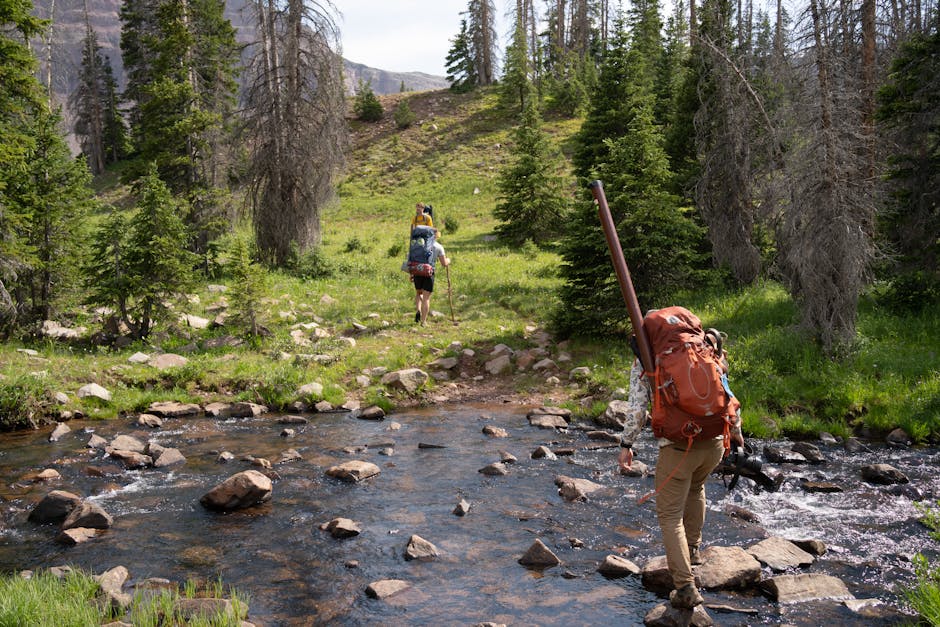
The words “filter” and “purifier” appear interchangeably in gear marketing. They are not the same thing, and the distinction typically determines protected against viruses or not.
| Method | Removes Protozoa | Removes Bacteria | Removes Viruses | Weight | Cost | Best For |
|---|---|---|---|---|---|---|
| Sawyer Squeeze (hollow-fiber) | Yes | Yes (0.1µm) | No | 85g | $35 | Solo North American and European trips |
| Katadyn BeFree (hollow-fiber) | Yes | Yes (0.1µm) | No | 62g | $45 | Ultralight solo, fast packing |
| SteriPen Adventurer Opti (UV) | Yes | Yes | Yes | 90g | $99 | International travel, clear water sources |
| MSR Guardian Purifier | Yes | Yes | Yes (0.02µm) | 490g | $350 | Expedition, international, high-risk environments |
| Platypus GravityWorks 4L | Yes | Yes (0.2µm) | No | 172g | $90 | Groups of 3 or more, base camp setups |
| Aquatabs / Potable Aqua tablets | Yes (most) | Yes | Yes | Under 10g | $8–$15 | Emergency backup, ultralight supplement |
Why the Filter vs. Purifier Gap Matters Most Internationally
In remote North American wilderness, experienced backpackers have used hollow-fiber filters for years without incident. The viral risk in those environments is generally considered low — not zero, but low enough that most field practitioners and public health guidance treat it as an acceptable tradeoff for the weight and cost savings. That calculation shifts meaningfully when traveling to regions where sanitation infrastructure is limited and viral contamination of water sources is a realistic probability. For those trips, a filter alone is not the appropriate baseline. The SteriPen Adventurer Opti paired with a Sawyer Squeeze — combined weight under 180g, combined cost under $140 — is the most defensible setup for international itineraries where viral risk is elevated.
When Chemical Tablets Function as a Legitimate Primary Option
Aquatabs and iodine-based tablets (Potable Aqua) are typically dismissed as emergency-only gear. That undersells their utility in specific scenarios. For ultralight bikepackers or through-hikers on road-adjacent routes where source quality is variable and weight is the primary constraint, tablets paired with a bandana pre-filter can serve as a workable primary system. The operational friction: a 30-minute wait time in cold water and a faint chemical taste. Iodine tablets are not recommended for pregnant travelers or those with thyroid conditions — chlorine-based tablets like Aquatabs are the more broadly applicable choice.
The Gear That Earns Its Weight: Real Products with Honest Trade-offs
These are the products that consistently perform across varied field conditions. Weights and prices reflect manufacturer specs and may vary by retailer.
For Solo Ultralight Trips (Weight Priority: Under 100g)
The Sawyer Squeeze ($35, 85g) remains the benchmark for domestic solo backpacking. Squeeze treated water directly into your bottle through the inline filter, or adapt it to a standard disposable water bottle. Rated for 100,000 gallons with proper backflushing. Flow rate degrades without backflushing — this is the most commonly cited complaint in the field, and it’s entirely preventable with a 30-second maintenance step after each use. Neglecting it and then blaming the filter is a known pattern.
The Katadyn BeFree ($45, 62g) pairs a 0.1-micron filter with a collapsible soft flask. Flow rate is noticeably better than the Sawyer Squeeze, particularly when the flask is nearly full. The tradeoff: it doesn’t adapt as flexibly to standard water bottles. For fast-packing where you’re dipping and moving, the BeFree wins on speed. For multi-day trips where versatility matters more, the Sawyer Squeeze is the more practical tool.
For Groups and Base Camps (Volume Without Pumping)
The Platypus GravityWorks 4L ($90, 172g for filter and hose assembly) is the most hands-off camp water solution for groups of three or more. Fill the dirty reservoir, hang it from a branch or trekking pole, and 4 liters of treated water collects in the clean bag at roughly 1.75 liters per minute. No pumping, no squeezing, no attention required during treatment. Rated for 1,500 liters. For base camp setups where cooking, drinking, and washing all draw from the same source, this eliminates the ergonomic friction of passing a single squeeze filter around a group.
For International and Expedition Environments (Virus Coverage Required)
The MSR Guardian Purifier ($350, 490g) is the most capable portable purifier available to civilian backpackers. It filters to 0.02 microns — small enough to physically remove viruses — with an auto-flushing mechanism that clears the membrane on every pump stroke, maintaining flow rate without manual backflushing. NSF P231 certified. At $350 and nearly half a kilogram, it’s unjustifiable for a weekend Sierra trip. For a six-week traverse through Central America, Patagonia, or Southeast Asia where water quality is genuinely unpredictable, it’s the most defensible option in the category.
For international travel where weight still matters, the SteriPen Adventurer Opti ($99, 90g) treats 1 liter in 90 seconds using UV-C light, covering protozoa, bacteria, and viruses. It requires clear water — turbidity scatters UV before it reaches pathogens. Many international backpackers pair it with a Sawyer Squeeze: the Sawyer removes sediment and biological particles, the SteriPen neutralizes any viruses that pass through. Combined weight: under 180g. For most international itineraries, this pairing covers the realistic threat profile without the $350 Guardian price point.
Cold Temps, High Altitude, and the Field Conditions That Break Your Gear Math
What Freezing Temperatures Do to Hollow-Fiber Filters
Hollow-fiber filters are destroyed by a single freeze-thaw cycle. Water retained in the membrane freezes, expands, and ruptures the fibers — leaving holes you cannot see and a filter that no longer functions. The water still flows through. The pathogens flow through with it. Most filter manufacturers explicitly document this failure mode. Most backpackers discover it after leaving their filter in an outer pack pocket on a cold night. The fix: keep filters in your sleeping bag at night in below-freezing conditions. If you suspect a filter froze, replace it — do not test it on the assumption it survived.
Does UV Purification Work at Altitude?
Yes. UV-C function is not affected by atmospheric pressure. The altitude-specific constraint is water turbidity: glacial meltwater frequently carries suspended silt (glacial flour) that scatters UV light before it reaches pathogens. Pre-filter visibly turbid water through a bandana, coffee filter, or the mechanical stage of a squeeze filter before running UV treatment. For clear high-altitude sources, UV is reliable and typically faster than pumping.
How to Select a Water Source Before Treating It
Moving water is generally preferable to still water because biological concentration is lower in active flow. Sources upstream of any trail crossing, campsite, or visible animal activity represent a better starting point than sources below them. The 200-foot buffer between camp, waste sites, and water sources recommended by Leave No Trace exists specifically to prevent downstream contamination. Even pristine-looking alpine tarns in heavily trafficked national parks should be treated — not because they look dangerous, but because the risk is invisible by design. Source selection reduces exposure; it does not eliminate the need for treatment.
The One Setup Mistake That Sends People Home Early
Carrying a single water treatment system with no backup is the setup that most consistently forces early exits. Filters clog without warning. SteriPens lose charge. Tablets get soaked through a pack.
A $10 pack of Aquatabs weighs under 10 grams and covers the failure scenario where your primary system quits two days from the trailhead. This is not redundancy for its own sake — it is the minimum viable field insurance for a gear category where failure carries real health consequences. Pick your primary system based on your environment and threat profile. Pick your backup based on weight. For most backpackers, that means a hollow-fiber squeeze filter as the primary and chemical tablets as the insurance. That pairing covers every realistic failure mode short of chemical contamination, which no portable system addresses anyway.
Daily Water Requirements and Field Hydration That Actually Works
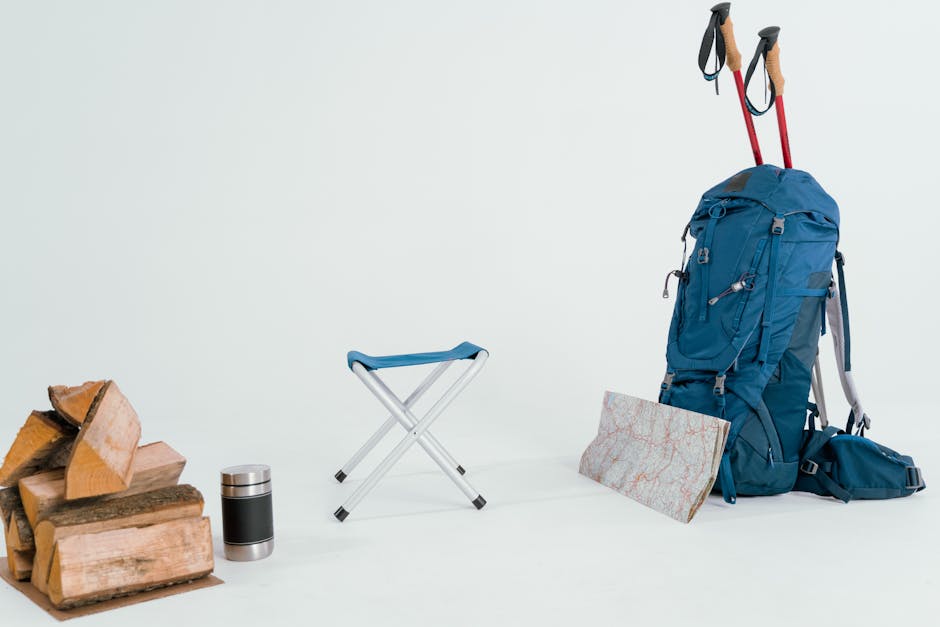
The commonly cited 2-liter daily minimum dramatically underestimates what active backpackers need. A reasonable planning baseline for someone covering 8–12 miles per day in moderate conditions is 3–4 liters of drinking water, plus whatever is used for cooking and camp hygiene. In desert environments or during sustained ascents, 5–6 liters is not unusual.
At altitude, thirst response is blunted. Dehydration can progress well before thirst signals register, particularly above 8,000 feet. Drinking on a schedule rather than to thirst is the more reliable approach in alpine environments, even when you don’t feel the urge.
Electrolyte balance matters as much as volume. Consuming large quantities of plain water without sodium replacement risks hyponatremia — a serious condition caused by diluted blood sodium levels. For multi-day trips with significant sweat output, electrolyte supplementation alongside high water intake is worth building into the plan. Nuun tablets weigh roughly 5 grams each. Salty snacks work. The mechanism matters more than the product.
Carry capacity should be sized to the longest gap between water sources on your specific route, not to a general average. In the American Southwest — the Grand Canyon’s Tonto Trail, routes through Utah’s Escalante — sources may be separated by 10–15 miles. Two Platypus Platy 1L soft flasks add about 56 grams combined and collapse completely when empty. Knowing your route’s water source intervals before departure is more operationally useful than any single piece of filtration gear.
Back at that crystal-clear stream over granite: treat it. The 90 seconds to run the SteriPen or push water through the Sawyer is an exchange you won’t think twice about once you’ve spent four days with Giardia. The illness typically surfaces one to three weeks after exposure — long after you’re home, trying to reconstruct what went wrong on an afternoon that looked completely safe.