
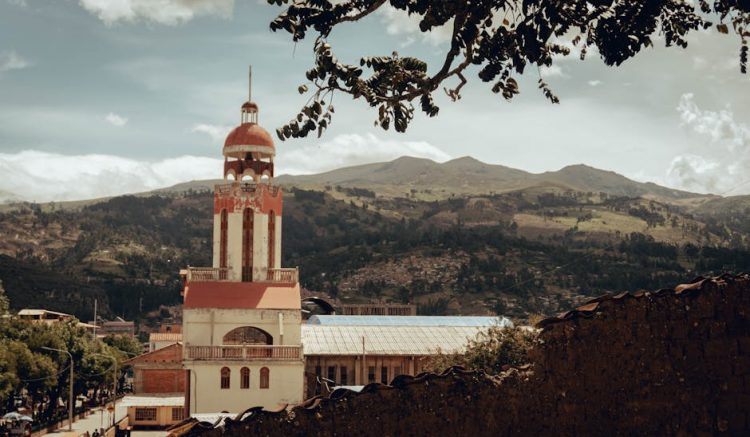
Planning a journey through Ecuador requires a fundamental shift in how one perceives distance versus time. Unlike its larger neighbors, Brazil or Argentina, Ecuador’s complexity lies in its verticality rather than its horizontal span. Within a single day, a traveler can descend from the 4,000-meter Andean paramo to the humid edges of the Amazon basin. For those constructing an Ecuador travel itinerary, the primary challenge is not the mileage, but the dramatic shifts in oxygen levels and climate that dictate the pace of movement. A successful 14-day or 21-day route requires a logical progression from the high-altitude capital of Quito through the volcanic corridor, potentially concluding with a sea-level transition to the coast or the islands.
Analysis of regional tourism data suggests that the most effective itineraries prioritize the ‘Avenue of the Volcanoes’ for cultural and geological depth, while reserving the Galapagos for a dedicated segment to avoid logistical fatigue. This guide examines the specific logistical frameworks necessary to navigate these diverse biomes effectively in 2025.
Optimizing the 14-Day Andean Highlands and Avenue of the Volcanoes Route
The central spine of Ecuador, known as the Avenue of the Volcanoes, serves as the logistical anchor for most mainland explorations. Beginning in Quito (2,850 meters) is standard, though it necessitates an immediate 48-hour acclimatization period. During this window, physical exertion should be limited to the historic center, a UNESCO World Heritage site. The architecture here provides a dense concentration of 16th-century colonial history, notably the Church of the Society of Jesus (Compañía de Jesús), which features an interior covered almost entirely in gold leaf.
Phase 1: The Northern Highlands and Quito (Days 1–4)
After the initial acclimatization, a northward excursion to Otavalo is recommended. While the Saturday market is the most famous, the daily market offers the same textile quality with significantly lower foot traffic. Logistically, Otavalo serves as a gateway to the Imbabura province. For accommodation, Hacienda Zuleta (approx. $350/night) provides a high-end, historically significant base. Pro: Exceptional access to Andean condor rehabilitation projects and organic farm-to-table dining. Con: The price point is significantly higher than local guesthouses, and its remote location requires private transport. For those on a mid-range budget, Hotel Otavalo (approx. $120/night) offers a restored colonial experience in the town center, providing easier access to local eateries but lacking the expansive grounds of a rural hacienda.
Phase 2: Cotopaxi and the Quilotoa Loop (Days 5–8)
Moving south from Quito, Cotopaxi National Park is the primary draw. The park encompasses the active Cotopaxi stratovolcano. Travelers should aim for the Limpiopungo Lake area for birdwatching or the José Rivas Refuge (4,864m) for a high-altitude challenge. Following Cotopaxi, the Quilotoa Loop offers a multi-day trekking circuit. If time is constrained, a single-day visit to the Quilotoa Crater Lake—a turquoise caldera formed by a volcanic collapse—is viable. The descent to the shore takes 30 minutes, but the ascent can take over an hour due to the 3,914m elevation. Mules are available for hire (approx. $10) for those struggling with the incline. Expect to pay a small community entry fee of $2 USD per person to access the crater rim viewpoint.
Phase 3: Baños de Agua Santa and Cuenca (Days 9–14)
Baños serves as the transition point between the highlands and the Amazon basin. It is lower in altitude (1,820m) and features a subtropical climate. The primary attraction is the Pailón del Diablo (Devil’s Cauldron) waterfall. From Baños, the journey continues south to Cuenca, often cited as Ecuador’s most beautiful city. Cuenca is characterized by its four rivers and well-preserved Spanish colonial architecture. A vital stop here is the Homero Ortega Panama Hat Museum. While the hats are famously associated with Panama, they are an Ecuadorian invention. Price Range: Authentic hats range from $40 for basic weaves to over $2,000 for “superfino” quality. Pro: Visitors can witness the intricate weaving process and purchase directly from the source. Con: The museum is slightly outside the historic center, requiring a short taxi ride.
The nearby Cajas National Park offers a distinct tundra-like landscape (Páramo) with over 200 glacial lakes. Travelers should allocate at least three days to Cuenca. Guided day tours to Cajas typically cost between $50 and $75 per person, including transport and a biological guide, which is highly recommended due to the park’s frequent fog and disorienting terrain.
Galapagos Islands Logistics: Comparing Land-Based Exploration and Expedition Cruises
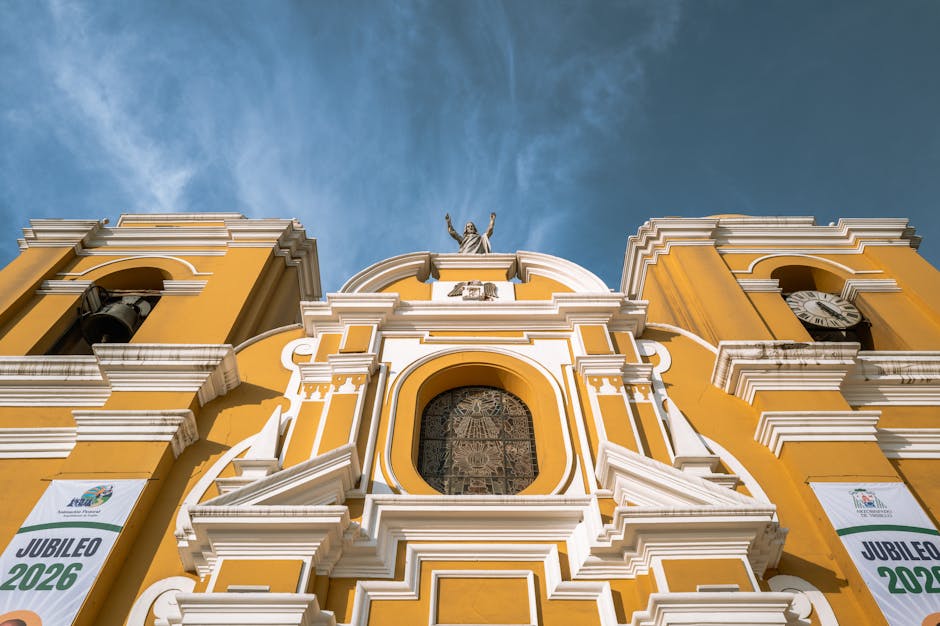
Integrating the Galapagos into an Ecuador travel itinerary introduces a separate set of costs and regulatory requirements. All visitors must pay a $200 entry fee (increased in 2024/2025) and a $20 transit control card fee. There are two primary methods for experiencing the archipelago: land-based ‘island hopping’ or a live-aboard cruise. The choice between these depends on a trade-off between cost, comfort, and the specific species one intends to observe.
Land-Based vs. Cruise: A Comparative Framework
Land-based travel typically centers on the three main inhabited islands: Santa Cruz, Isabela, and San Cristóbal. This method allows for more flexibility and lower costs but limits access to the outer, uninhabited islands where certain endemic species, like the Flightless Cormorant or the Red-footed Booby, are more common.
| Feature | Land-Based (Island Hopping) | Expedition Cruise (Live-aboard) |
|---|---|---|
| Approx. Daily Cost | $150 – $300 | $500 – $1,200 |
| Species Access | Moderate (Land iguanas, giant tortoises, sea lions) | High (Endemic birds, remote volcanic landscapes) |
| Flexibility | High (Choose your own meals and timing) | Low (Fixed itinerary and group activities) |
| Seasickness Risk | Low (Inter-island ferries only) | Moderate to High (Constant movement) |
| Booking Lead Time | 1-3 Months | 6-12 Months |
Specific Island Recommendations
- Isabela Island: The largest island, known for its seahorse-shaped geography. The ‘Los Tuneles’ snorkeling site is arguably the best in the archipelago for seeing white-tip reef sharks, sea turtles, and seahorses in calm, lava-formed tunnels. Day tours cost approx. $160-$180.
- Santa Cruz: The economic hub. The Charles Darwin Research Station provides essential context on tortoise conservation. For a high-end stay, Finch Bay Galapagos Hotel (approx. $550/night) is a notable option. Pro: Only hotel in Puerto Ayora with direct beach access and a private yacht for day trips. Con: Accessible only by a short water taxi ride from the main pier.
- Española Island: Only accessible via cruise or specific day tours from San Cristóbal. This is the only place to see the Waved Albatross during its nesting season (April to December).
Altitude and maritime logistics are the two variables most likely to disrupt an itinerary. Travelers are advised to book domestic flights between Quito/Guayaquil and the Galapagos (Baltra or San Cristóbal) at least three months in advance to secure optimal pricing and timing.
Amazon Basin and Cloud Forest Extensions: Yasuní vs. Mindo Biological Reserve
For those extending their Ecuador travel itinerary to 21 days, the inclusion of a biodiversity-focused segment is standard. Ecuador offers two distinct experiences: the deep Amazon (Oriente) and the Andean Cloud Forest. While both feature high levels of endemism, the logistical requirements and wildlife density differ significantly.
The Deep Amazon: Yasuní National Park and Cuyabeno
Yasuní is widely considered one of the most biodiverse places on Earth. Accessing this region requires a flight from Quito to Coca, followed by a multi-hour motorized canoe journey down the Napo River. This is a high-commitment destination. Napo Wildlife Center (approx. $1,500 for a 4-day/3-night package) is a premier eco-lodge owned by the local Añangu Kichwa community. Pro: Exceptional wildlife viewing from a 36-meter canopy tower and silent paddle canoe excursions. Con: Significant travel time and high all-inclusive price point.
Alternatively, the Cuyabeno Wildlife Reserve offers a more budget-friendly entry into the Amazon. The landscape here is defined by flooded forests (Igaps), which allow for easier wildlife spotting from the water. While Yasuní is better for primates and large mammals, Cuyabeno is excellent for pink river dolphins and anacondas. Packages here typically range from $350 to $600 for 4 days.
The Andean Cloud Forest: Mindo and Mashpi
If the 10-hour transit to the Amazon is unappealing, the Mindo Cloud Forest is located only two hours northwest of Quito. This region is a global hotspot for hummingbirds and orchids. The elevation is lower than Quito (1,250m), making it a lush, misty environment. For a luxury scientific experience, Mashpi Lodge (approx. $1,200/night) is situated in a private 1,200-hectare reserve. Pro: Features a ‘Sky Bike’ and an observation gondola that moves through the canopy. Con: The lodge is isolated, meaning guests are restricted to on-site activities and dining.
Wildlife Comparison: Amazon vs. Cloud Forest
- Birdlife: The Cloud Forest has a higher concentration of hummingbirds and tanagers; the Amazon features larger raptors, macaws, and toucans.
- Accessibility: Mindo is a day-trip possibility from Quito; the Amazon requires a minimum of four days for a viable experience.
- Climate: Both are humid, but Mindo is significantly cooler at night due to the elevation.
Navigating the Gastronomic Map: Essential Regional Dishes
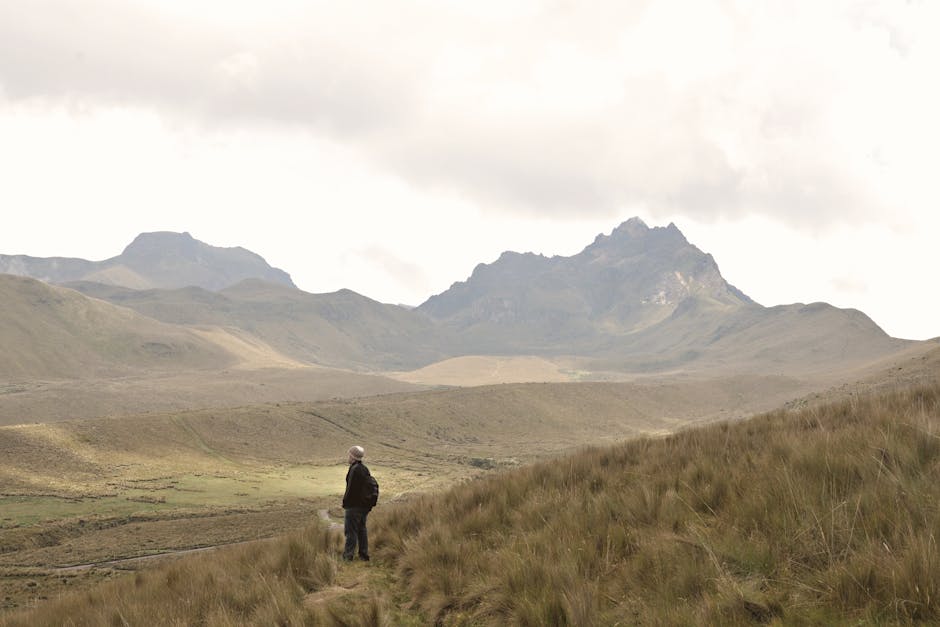
An Ecuador travel itinerary is incomplete without accounting for the regional culinary shifts. In the Sierra (highlands), the diet is starch-heavy to accommodate the caloric needs of high-altitude living. The most famous dish is Cuy Chactado (roasted guinea pig), typically priced between $20 and $30 in specialized restaurants like La Guajira in Quito. While culturally significant, it is often a polarizing choice for Western travelers.
In the coastal regions and the Galapagos, the focus shifts to Ceviche. Unlike the Peruvian version, Ecuadorian ceviche is served with more juice (almost like a cold soup) and is often accompanied by chifles (plantain chips) and toasted corn (tostado). In the Amazon, look for Maito—river fish wrapped in bijao leaves and grilled over an open fire. This dish exemplifies the sustainable, earth-focused cooking methods of the indigenous Kichwa and Shuar communities.
Essential Logistical Parameters: Transportation and Altitude Management
Executing an Ecuador travel itinerary requires an understanding of the country’s internal infrastructure. While Ecuador uses the US Dollar (USD), which simplifies financial transactions, the physical terrain complicates movement. The mountainous geography means that distances that appear short on a map often take four to six times longer than expected.
Transportation Comparison
| Method | Estimated Cost | Pros | Cons |
|---|---|---|---|
| Public Bus | $1.50 – $2.00 / hour | Extremely cheap, frequent | Petty theft risk, slow, no stops |
| Wanderbus (Hop-on) | $200 – $500 (Pass) | Safe, English-speaking, scenic stops | Fixed routes, less frequent |
| Private Driver | $120 – $180 / day | Total flexibility, door-to-door | Most expensive mainland option |
| Domestic Flights | $80 – $150 (One-way) | Fastest way to reach Coca or Cuenca | High carbon footprint, misses scenery |
Altitude Sickness (Soroche) Mitigation
Altitude is the single most frequent cause of itinerary disruption in Ecuador. Quito sits at 2,850 meters, and many highlights exceed 4,000 meters. Data from high-altitude clinics in Quito indicates that approximately 20% of travelers experience symptoms of Soroche, including headaches, nausea, and insomnia. The standard protocol involves:
- Incremental ascent: Do not attempt to climb Cotopaxi on Day 1.
- Hydration: Increase water intake by 1.5 liters daily.
- Acetazolamide: Consult a physician regarding this preventative medication before departure.
- Local Remedies: Coca tea (mate de coca) is widely available and effective for mild symptoms, though travelers should be aware it can trigger positive results on sensitive drug tests.
Avoiding Common Itinerary Pitfalls: Timing and Connectivity
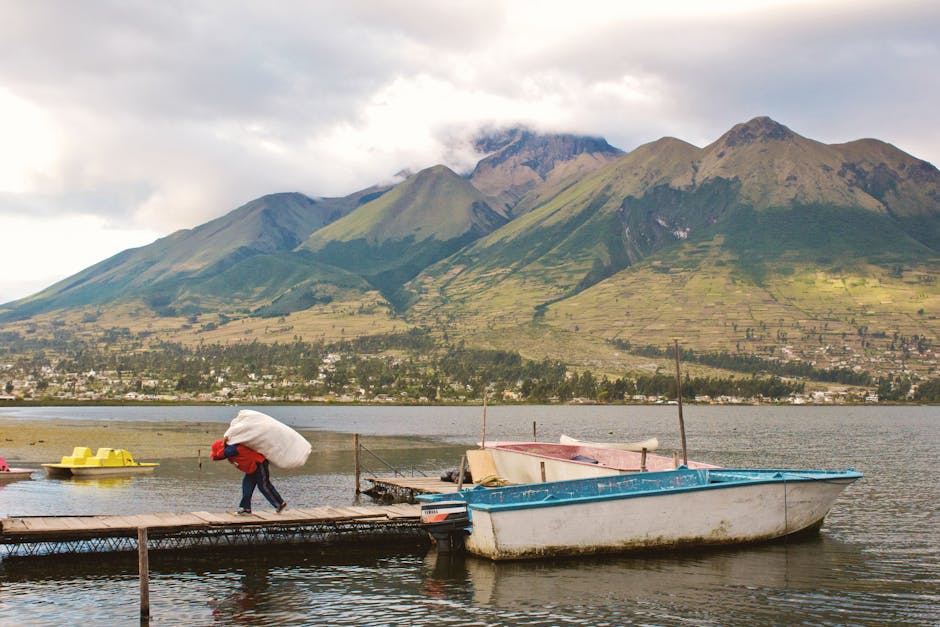
One of the most frequent mistakes in an Ecuador travel itinerary is failing to account for the “Sunday Shutdown.” Outside of major tourist hubs like Quito’s Mariscal district or Baños, many businesses, including pharmacies and local markets, close on Sundays. Travelers should plan their transit days or national park visits for Sundays to avoid arriving in a town where services are unavailable.
Furthermore, while connectivity is excellent in Quito and Cuenca, the Amazon and remote parts of the Quilotoa Loop have virtually no cellular service. It is essential to download offline maps (such as Maps.me or Google Offline) and keep physical copies of hotel reservations. For those needing consistent data, a local SIM card from Claro or Movistar (approx. $10-$20 for a 10GB plan) is significantly more reliable than international roaming plans.
By structuring an Ecuador travel itinerary around these logistical realities—prioritizing acclimatization, choosing the right Galapagos mode, and selecting a biodiversity extension that fits the available timeframe—travelers can maximize their exposure to one of the world’s most ecologically diverse nations without succumbing to the common pitfalls of over-scheduling or altitude exhaustion.