
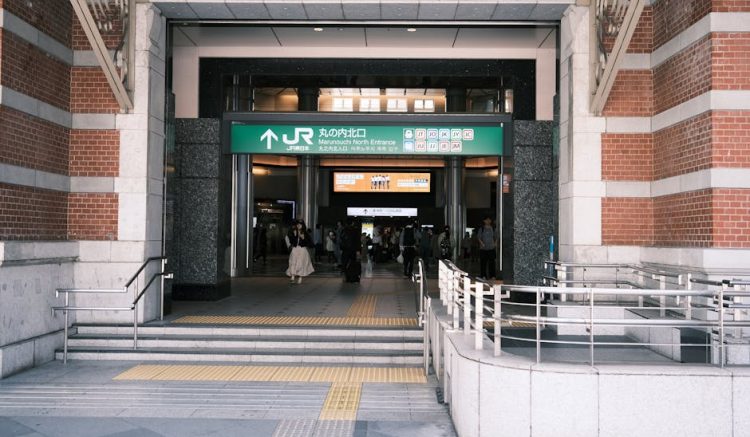
Are you wondering if the Japan you see on social media—the one defined by two-hour lines for a single bowl of fluffy pancakes and the increasingly restricted streets of Kyoto’s Gion district—is the only version of the country available to you in 2025? The reality of traveling through the archipelago has shifted significantly over the last twenty-four months. What worked in 2019, or even during the immediate post-reopening surge of 2023, is often no longer the most efficient or cost-effective way to move through the country. As the Japanese yen fluctuates and the government implements new measures to manage record-breaking tourist numbers, your strategy must evolve from simple sightseeing to sophisticated logistics management. This year requires a deeper understanding of regional infrastructure and a willingness to bypass traditional tourist bottlenecks in favor of a more nuanced itinerary.
Evaluating the Japan Rail Pass Value in 2025
The most significant shift in Japanese travel logistics remains the massive price increase of the national Japan Rail (JR) Pass that occurred in late 2023. For over a decade, the pass was an automatic recommendation for anyone visiting Tokyo, Kyoto, and Osaka. In 2025, the math has changed. A 7-day National JR Pass now costs 50,000 yen, a staggering jump from the previous 29,650 yen. To make this pass break even, you would need to travel from Tokyo to Hiroshima and back, plus add several smaller Shinkansen legs, all within a single week. For many travelers, the flexibility of the pass no longer justifies the premium price, especially when point-to-point tickets offer more freedom.
Regional Pass Alternatives and Point-to-Point Booking
Instead of the expensive national pass, 2025 is the year of the regional pass. These are often overlooked but provide immense value if you focus your trip on a specific area. For example, the JR East Tohoku Area Pass (approx. 30,000 yen for 5 days) allows for extensive exploration of Northern Japan, a region far less crowded than the golden route. Alternatively, if you are sticking to the classic Tokyo-Kyoto-Osaka itinerary, buying individual tickets via the SmartEX app is the superior choice. This app allows you to book Shinkansen seats up to a month in advance and offers “Hayatoku” discounts for early bookings, often saving you 10-15% on the base fare.
| Pass Type | 2025 Price (Approx) | Best For | Pros/Cons |
|---|---|---|---|
| National JR Pass (7-Day) | 50,000 JPY | Extreme long-distance travel | Pro: Total flexibility. Con: Rarely breaks even. |
| JR Kansai Wide Area Pass | 12,000 JPY | Osaka, Kyoto, Nara, Okayama | Pro: High value for 5 days. Con: Limited geography. |
| SmartEX (Point-to-Point) | Varies (Tokyo-Kyoto ~14k) | The “Golden Route” only | Pro: Cheapest for simple trips. Con: No local JR lines. |
The Nozomi and Mizuho Upcharge
It is also worth noting that National JR Pass holders must now pay an additional supplement to ride the Nozomi and Mizuho trains, which are the fastest categories on the Tokaido and Sanyo Shinkansen lines. Without this supplement, pass holders are restricted to the Hikari and Kodama trains. While these are still fast, they run less frequently and have more stops. If your time is limited, the convenience of the Nozomi—which runs every few minutes—often outweighs the savings of a pass that excludes it.
Strategic Logistics for Overtourism Mitigation
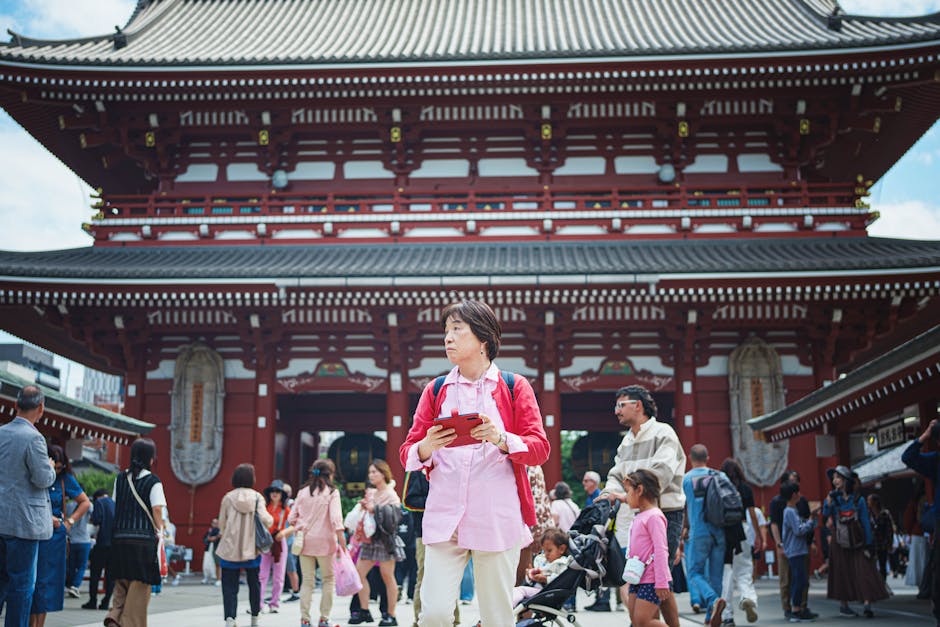
Overtourism is no longer just a buzzword in Japan; it is a catalyst for new regulations that will directly impact your 2025 visit. In Kyoto, the local government has taken the unprecedented step of banning tourists from certain private alleys in the Gion district to protect the privacy of geiko and maiko. Similarly, the iconic view of Mt. Fuji from a Lawson convenience store in Fujikawaguchiko has seen the installation of barriers to manage unruly crowds. To have a successful trip in 2025, you must adopt a “contrarian” timing strategy. This means visiting popular sites at dawn or during the late evening, or better yet, exploring the “Second Tier” cities that offer identical cultural depth with a fraction of the foot traffic.
The Rise of the “Alternative City” Strategy
If you want the historical atmosphere of Kyoto without the shoulder-to-shoulder crowds, consider Kanazawa. Often called “Little Kyoto,” Kanazawa boasts one of Japan’s most beautiful gardens (Kenrokuen), a preserved samurai district, and a thriving contemporary art scene. For those seeking the urban energy of Tokyo with a more relaxed pace, Fukuoka on the island of Kyushu offers incredible street food (yatai), a warmer climate, and excellent transit links. These cities are actively courting international visitors and often provide a more authentic interaction with locals than the saturated hubs of Honshu.
New Regulations for Mt. Fuji and Popular Trails
For those planning to climb Mt. Fuji in the summer of 2025, be aware of the new mandatory booking system and entry fees for the Yoshida Trail. To prevent dangerous “bullet climbing” and overcrowding, the Yamanashi provincial government now limits daily climbers to 4,000 and charges a 2,000 yen fee. This is a significant change from the previous voluntary donation system. You must book your climbing slot online well in advance, as same-day slots are rarely available during the peak July-August window.
The “Golden Route” (Tokyo-Kyoto-Osaka) will be more crowded in 2025 than ever before. If your itinerary allows, spend at least 40% of your time in regions like Shikoku, Kyushu, or Tohoku to experience the Japan that exists outside the tourism bubble.
Digital Payment Evolution and the IC Card Shortage
A curious challenge for 2025 travelers is the ongoing shortage of physical IC cards, such as Suica and Pasmo. Due to a global semiconductor shortage, the sale of unregistered physical cards was suspended for a significant period. While some sales have resumed at major airports like Narita and Haneda (often as the “Welcome Suica” or “Pasmo Passport” which expire after 28 days), the most reliable solution is now digital. If you have an iPhone, you can add a Suica, Pasmo, or Icoca card directly to your Apple Wallet. This allows you to tap in and out of train stations and pay at vending machines using your phone, bypassing the need for physical plastic entirely.
Navigating the Cash vs. Card Divide
Japan is no longer the cash-only society it was a decade ago, but it hasn’t reached the cashless ubiquity of Northern Europe either. Most major retailers, department stores, and hotels in 2025 accept international credit cards (Visa and Mastercard are more widely accepted than Amex). However, small ramen shops, temple entrance gates, and rural guesthouses frequently remain cash-only. A common mistake is relying on the “Tax-Free” system without carrying your physical passport. In 2025, digital copies or photos of your passport are generally not accepted for tax-free shopping; you must present the original document to have the 10% consumption tax waived at the point of sale.
Essential Apps for 2025 Navigation
- Japan Transit Planner (Jorudan): Superior to Google Maps for Shinkansen planning because it allows you to filter results based on which rail pass you are using.
- PayPay: While primarily for residents, many small shops now use PayPay QR codes. Some international wallets like AliPay or KakaoPay can interoperate with this, so check your local app’s compatibility.
- Google Lens: Indispensable for translating physical menus and labels in grocery stores. The real-time AR translation has improved significantly in accuracy for Japanese kanji.
Accommodation Trends and Luggage Logistics
Hotel prices in Japan have seen a marked increase, particularly in Tokyo and Kyoto, driven by high demand and a labor shortage in the hospitality sector. In 2025, the “business hotel” remains the best value for the independent traveler. Brands like Dormy Inn (approx. 12,000-18,000 yen per night) offer compact but highly functional rooms, often including excellent public baths (onsen) and free late-night ramen. If you are traveling during peak seasons like Cherry Blossom (late March) or Autumn Colors (November), booking 4-6 months in advance is no longer an option—it is a necessity.
The Art of Hands-Free Travel (Takkyubin)
One of the greatest luxuries of Japanese travel is the luggage forwarding service known as Takkyubin, primarily operated by Yamato Transport (the “Black Cat” logo). In 2025, as trains become more crowded, dragging large suitcases through Shinjuku station is increasingly frowned upon and physically exhausting. For roughly 2,000 to 3,000 yen per bag, you can send your luggage from your hotel in Tokyo to your hotel in Kyoto. It usually arrives the next day. This allows you to travel between cities with only a small daypack, making stops at smaller towns along the way much more feasible.
Shinkansen Oversized Luggage Rules
If you choose to carry your luggage on the Shinkansen, remember that bags with total dimensions (length + width + height) exceeding 160cm require a specific “oversized luggage” reservation. These seats are located at the back of the car and have dedicated space behind the last row. If you board without a reservation, you may be charged a 1,000 yen fee and required to move your bag. These seats are limited and often book up several days in advance on popular routes, so plan accordingly via the SmartEX app.
| Luggage Strategy | Estimated Cost | Best Use Case |
|---|---|---|
| Takkyubin Forwarding | 2,500 JPY / bag | Moving between major cities (Tokyo to Osaka) | 300 – 800 JPY / day | Day trips or short layovers at stations |
| Shinkansen Reserved Space | Free (with booking) | When you need your bag immediately upon arrival |
Dining Reservations and Food Etiquette
The days of simply walking into a top-rated sushi or yakiniku restaurant in Tokyo are largely over. In 2025, the most popular dining spots use reservation platforms like TableCheck or AutoReserve. Many of these require a credit card to hold the booking, and “no-show” fees are strictly enforced. If you have your heart set on a specific Michelin-starred experience or a viral cafe, check their Instagram or website at least 30 days before your visit. For more spontaneous dining, look for restaurants located on the upper floors of department stores or in the basements of office buildings; these often house high-quality branches of famous eateries with much shorter wait times than street-level tourist traps.
The Convenience Store (Konbini) as a Resource
Do not underestimate the role of 7-Eleven, Lawson, and FamilyMart in your 2025 budget strategy. These are not typical American gas station convenience stores. They offer high-quality, fresh meals including onigiri, bento boxes, and high-end seasonal desserts. In a year where dining costs are rising, a 500-yen konbini breakfast or lunch is a statistically sound way to save money for a high-end dinner. Furthermore, 7-Eleven ATMs remain the most reliable way to withdraw cash using international debit cards, offering fair exchange rates and English menus.
Traveling to Japan in 2025 requires a shift in mindset from the passive tourist to the active strategist. By understanding the new math of the JR Pass, embracing digital payment solutions, and utilizing luggage forwarding services, you can navigate the logistical hurdles that frustrate less-prepared visitors. The country remains one of the safest and most rewarding destinations on earth, provided you are willing to look beyond the viral hotspots and engage with the sophisticated systems designed to make movement through the archipelago seamless. Whether you are seeking the neon-lit chaos of Shinjuku or the silent cedar forests of Kumano Kodo, your success will depend on your ability to adapt to Japan’s ever-evolving infrastructure.