
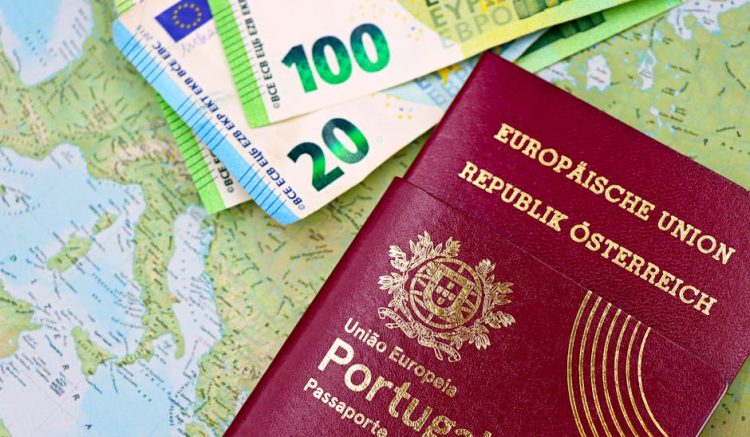
Picture this: You’ve booked the perfect beachfront villa in Negril, your flights are confirmed, and you can almost taste the jerk chicken. You’re just days away from your dream Jamaican getaway. Then, a nagging thought creeps in: “Do I actually need a visa for this?” A quick online search reveals conflicting information, and suddenly, that smooth planning starts to feel like navigating choppy waters. Understanding visa requirements Jamaica is crucial, not just a minor detail. Getting this wrong can turn your dream vacation into a nightmare at the airport, or worse, at the border.
The good news? For many, a spontaneous trip to the island nation is incredibly straightforward. But for others, a bit of preparation is key. This guide cuts through the confusion, providing a clear roadmap for who needs a visa, how to get one, and what to expect, so your focus can remain on the pristine beaches and vibrant culture, not immigration paperwork.
Do You Need a Visa for Jamaica? Start Here.
The question of whether you need a visa to enter Jamaica hinges primarily on your nationality. Jamaica has a very generous visa-free policy for citizens of many countries, particularly those in the Commonwealth, the European Union, and North America. However, if your country isn’t on the exempt list, a visa is a mandatory prerequisite for entry.
It’s a common misconception that all tourists can enter without a visa. While many can, assuming you’re exempt without verifying could lead to significant travel disruptions. The Passport, Immigration and Citizenship Agency (PICA) is the official body that sets and enforces these rules. Always check their latest guidelines or consult the Jamaican High Commission or Consulate in your country of residence for the most current information, as policies can change.
Countries with Visa-Free Entry (Common Examples)
For citizens of several nations, a tourist visa is not required for stays typically ranging from 30 to 180 days. This includes a vast number of countries, simplifying travel immensely. Remember, even if you are visa-exempt, your passport must be valid for at least six months beyond your intended departure date, and you’ll still need a return ticket and proof of sufficient funds for your stay.
| Nationality | Maximum Visa-Free Stay (Tourist) |
|---|---|
| United States | 90 days |
| Canada | 180 days |
| United Kingdom | 90 days |
| Australia | 90 days |
| New Zealand | 90 days |
| Schengen Area Countries (e.g., Germany, France, Italy) | 90 days |
| Japan | 30 days |
| Brazil | 90 days |
| South Africa | 30 days |
| Many Caribbean Community (CARICOM) Nations | Varies (often 6 months) |
When a Visa Is Definitely Required
If your country is not listed among the visa-exempt nations, or if your purpose of visit is anything other than standard tourism (e.g., for work, study, or extended residency), then obtaining a visa is a non-negotiable step. This requirement applies to citizens from countries like China, India, Russia, and many nations in Africa and parts of Southeast Asia, among others. The type of visa you need will depend on the specific purpose and duration of your visit. For instance, a temporary work permit requires a different application process than a student visa, each with its own set of unique requirements and supporting documents.
The Jamaican Visa Application Process Explained Step-by-Step.

Applying for a Jamaican visa, while not overly complicated, requires attention to detail and a systematic approach. It’s a structured process designed to ensure all applicants meet the entry criteria before arriving on the island. Typically, you’ll apply through the Jamaican High Commission or Consulate responsible for your country of residence. In some cases, where Jamaica does not have a diplomatic presence, you might apply through a designated embassy or consulate representing Jamaican interests.
The entire process usually starts online, where you can download application forms and find detailed instructions. Submitting a complete and accurate application package from the outset is the most effective way to avoid delays or, worse, rejection. Don’t rush this part; every detail matters.
Gathering Your Documentation
This is arguably the most critical step. Before even thinking about filling out forms, compile all required documents. This typically includes:
- A valid passport (with at least six months validity beyond your intended stay and at least two blank pages).
- Completed visa application form (often available online).
- Recent passport-sized photographs (usually two, meeting specific size and background requirements).
- Proof of financial means to support yourself during your stay (e.g., bank statements, pay slips).
- Proof of accommodation in Jamaica (e.g., hotel booking confirmation, letter from host).
- A round-trip flight itinerary or onward ticket.
- A letter of invitation (if visiting friends or family) or a business letter (for business visas).
- Proof of purpose of visit (e.g., conference registration, university acceptance letter).
Ensure all copies are clear and legible, and never submit original documents unless specifically requested and you have made copies for your own records.
Submitting Your Application
Once you have all your documents ready, you’ll typically submit your application either in person at the relevant Jamaican embassy or consulate or, in some cases, by mail. The submission method will be clearly outlined on the embassy’s website. If submitting in person, you might need to book an appointment in advance. Pay close attention to the specific hours for visa applications, as these can differ from general embassy operating hours. Double-check that all fields on the application form are filled out accurately and completely, and that you’ve signed where required.
Interview and Decision Phase
After submission, some applicants might be called for an interview. This is more common for certain visa types or if the consular officer requires additional clarification on your application. During an interview, be prepared to answer questions about your travel purpose, financial stability, and ties to your home country. Honesty and clarity are . Following the interview (or directly after document submission if no interview is required), your application will be reviewed. You’ll then be notified of the decision, usually via email or phone, or by tracking your application status online. If approved, you’ll typically collect your passport with the visa stamp, or it will be mailed back to you.
Essential Documents for Your Jamaican Visa.
The success of your visa application often boils down to the completeness and accuracy of your documentation. While the specific list can vary slightly depending on your nationality and the type of visa, there’s a core set of documents that are universally required. Think of these as the fundamental pillars of your application. Missing even one item, or submitting an outdated or improperly formatted document, can lead to significant delays or even outright rejection. It’s not just about having the documents, but ensuring they meet the precise specifications laid out by PICA and the consular offices.
Passport and Photographs
- Valid Passport: Your passport must be valid for at least six months beyond your intended stay in Jamaica. It must also contain at least two blank pages for the visa stamp and entry/exit stamps.
- Passport-Sized Photographs: Typically two recent photographs are required. These must be color, taken against a plain white or off-white background, and show a full front view of your face. Standard size is usually 2×2 inches (51×51 mm), but confirm the exact dimensions with the specific embassy. No selfies, no glasses if possible, and a neutral facial expression are standard requirements.
Proof of Funds and Accommodation
- Financial Means: You must demonstrate that you have sufficient funds to cover your expenses during your stay in Jamaica without working illegally. This can include recent bank statements (usually for the last three to six months), a letter from your employer confirming salary, or proof of scholarship if you are a student. The exact amount is not fixed but should reasonably cover your travel, accommodation, and daily expenses.
- Accommodation Proof: Provide confirmed hotel bookings for the duration of your trip. If you are staying with friends or family, you’ll need an invitation letter from your host, including their full name, address, contact information, and a copy of their Jamaican ID (e.g., passport bio-page or driver’s license). The letter should also state the purpose of your visit and the duration of your stay.
Travel Itinerary and Purpose
- Flight Itinerary: A confirmed round-trip flight itinerary showing your entry and exit dates from Jamaica is essential. It proves your intention to leave the country within the authorized period.
- Purpose of Visit Documentation: This varies significantly by visa type. For tourism, your flight and accommodation usually suffice. For business, a letter from your employer outlining the purpose of the trip, contact details of the inviting company in Jamaica, and conference registration if applicable. For study, an official acceptance letter from a recognized Jamaican educational institution like the University of the West Indies. Always be specific about why you are traveling.
Common Visa Scenarios: What About Business or Study?

While tourist visas are the most frequently discussed, Jamaica caters to a range of visitors with distinct purposes. It’s vital to recognize that a tourist visa will not suffice if your intention is anything other than short-term leisure. Trying to enter on the wrong visa type can lead to immediate refusal of entry and a mandatory return on the next available flight. Jamaican immigration officials are meticulous in verifying your stated purpose of visit against your visa type.
Do I need a special visa for a business trip?
Yes, if your nationality requires a visa for entry to Jamaica, you will typically need a specific business visa for engaging in business-related activities. This is distinct from a tourist visa. Business activities can include attending conferences, negotiating contracts, meeting clients, or exploring investment opportunities. It does not, however, permit you to undertake gainful employment. Documentation for a business visa usually involves a letter from your company in your home country stating the purpose of your visit, the duration, and confirming financial responsibility. You’ll also often need an invitation letter from the Jamaican company or organization you plan to visit, outlining the agenda and contacts.
What if I’m planning to study in Jamaica?
If your goal is to pursue academic studies at a recognized institution in Jamaica, you will need to apply for a student visa. This process often starts with securing admission to a Jamaican school, college, or university, such as the University of Technology, Jamaica, or the Edna Manley College of the Visual and Performing Arts. Once accepted, you’ll use your official acceptance letter as a primary supporting document for your student visa application. You’ll also need to prove sufficient funds to cover your tuition, living expenses, and return travel, potentially requiring bank statements or scholarship letters. Student visas are usually issued for the duration of your course of study and may require periodic renewals.
What about transit visas?
Whether you need a transit visa for Jamaica depends on your nationality and the length of your layover. Many nationalities who are visa-exempt for direct entry into Jamaica are also visa-exempt for transit, provided they remain in the international transit area of the airport and their onward flight is within a short period (typically 24 hours). However, if your nationality normally requires a visa for Jamaica, and you need to leave the airport’s international transit area (e.g., to switch terminals, collect luggage, or for an extended layover), you will likely need a transit visa. Always verify this with the airline and the nearest Jamaican consulate, as transit rules can be very specific and vary by country.
Visa Costs and Processing Times: Plan Your Budget and Schedule.
When factoring in your travel plans to Jamaica, the cost and time involved in securing a visa are important considerations. These aren’t fixed figures across the board; they fluctuate based on your nationality, the specific type of visa you’re applying for, and the processing embassy or consulate. Understanding these variables early can prevent last-minute stress and unexpected expenses, ensuring a smoother journey.
Typical Application Fees
Visa application fees for Jamaica are generally non-refundable, regardless of the outcome of your application. These fees are usually paid in the local currency of the embassy or consulate you are applying through, or in USD. For a standard tourist visa, fees can range from approximately USD $25 to USD $100. For other visa types, such as business or study visas, the fees might be slightly higher, reflecting the additional administrative work involved. For example, a single-entry visa might cost around USD $25-$50, while a multiple-entry visa, if available, could be closer to USD $75-$100. Always check the exact fee on the website of the specific Jamaican diplomatic mission you’re dealing with, as they are subject to change without extensive prior notice.
Realistic Processing Durations
Visa processing times are a critical element to factor into your travel timeline. While some applications might be processed relatively quickly, it’s always prudent to allow ample time. Standard processing for a Jamaican visa can range from 5 business days to 20 business days (approximately 1 to 4 weeks) from the date of a complete application submission. This timeframe doesn’t include the time it takes for you to gather your documents or for mail transit if you’re applying remotely. During peak travel seasons, or for more complex cases, processing could extend further. Some consulates might offer an expedited service for an additional fee, but this is not universally available. A good rule of thumb is to apply at least 6 to 8 weeks before your intended travel date, giving you a comfortable buffer for any unforeseen delays or requests for additional information.
Avoiding Common Pitfalls in Your Visa Application.
Applying for a visa can feel like a daunting task, but many rejections or delays stem from preventable errors. The key is thoroughness and understanding the expectations of the immigration authorities. It’s not about tricking the system; it’s about presenting your case clearly and unequivocally. I strongly recommend a meticulous, almost obsessive, review of your entire application package before submission. This single act can save you weeks of anxiety and potentially thousands in forfeited travel expenses.
Double-Checking Everything
The most frequent reason for application delays or rejections is incomplete or incorrect information. This includes:
- Missing Documents: Did you include every single item on the checklist provided by the embassy? Even a seemingly minor document like a copy of a previous visa can be critical.
- Inaccurate Data: Is your name spelled exactly as it appears on your passport? Are dates of birth, passport numbers, and expiry dates correct? A single typo can be grounds for rejection.
- Outdated Information: Are your bank statements recent enough? Are your photographs within the specified age limit (often six months)?
- Improper Formatting: Are photographs the correct size and background? Are documents translated if required, and is the translation certified?
Go through the official checklist item by item, confirming each piece of documentation and data. A second pair of eyes, if available, can also catch errors you might overlook.
Applying Early
Procrastination is the enemy of a smooth visa application process. While some applications are processed quickly, relying on minimum processing times is a gamble you don’t want to take with your travel plans. Consular offices often experience backlogs, especially during peak travel seasons like holidays. Unforeseen circumstances, such as a request for additional documents or an interview, can add significant time to the process. Applying well in advance—ideally at least two months before your planned departure—provides a crucial buffer. This allows you to address any issues that arise without panicking or having to reschedule non-refundable flights and accommodation.
What If Your Visa is Denied? Or Approved?
Receiving a decision on your visa application brings either relief or disappointment. Understanding what happens next in both scenarios is important for managing expectations and planning your subsequent steps. Neither outcome is necessarily final without further action.
Appealing a Denial
If your Jamaican visa application is denied, you will typically receive a formal letter outlining the reasons for the refusal. It’s crucial to read this letter carefully. Common reasons for denial include insufficient funds, lack of strong ties to your home country (which might suggest an intention to overstay), submitting false documents, or not meeting the general eligibility criteria. Depending on the reason, you may have the option to appeal the decision or reapply. An appeal usually involves submitting additional documentation or clarification to address the specific reasons for the denial. If you choose to reapply, ensure you’ve resolved the issues that led to the initial refusal. Simply reapplying with the same information is unlikely to yield a different result.
Next Steps After Approval
Congratulations! If your visa is approved, your passport will be returned to you with the visa stamp or sticker affixed. Before you celebrate too much, carefully check all the details on the visa: your name, passport number, visa type, issue date, expiry date, and the number of entries permitted. Any discrepancies should be reported to the issuing consulate immediately. With your visa in hand, you’re now set for your Jamaican adventure. Remember that a visa does not guarantee entry; final admission is always at the discretion of the immigration officer at the port of entry in Jamaica. Be prepared to present your passport, visa, return ticket, and proof of accommodation and funds upon arrival.
So, the nagging thought about needing a visa for your Montego Bay trip? With a clear understanding of who needs what, a meticulous approach to documentation, and a mindful application schedule, those choppy waters can be entirely avoided. You’re now equipped to ensure your travel to Jamaica is as smooth and enjoyable as the island breeze, leaving you free to focus on the unforgettable experiences that await.