
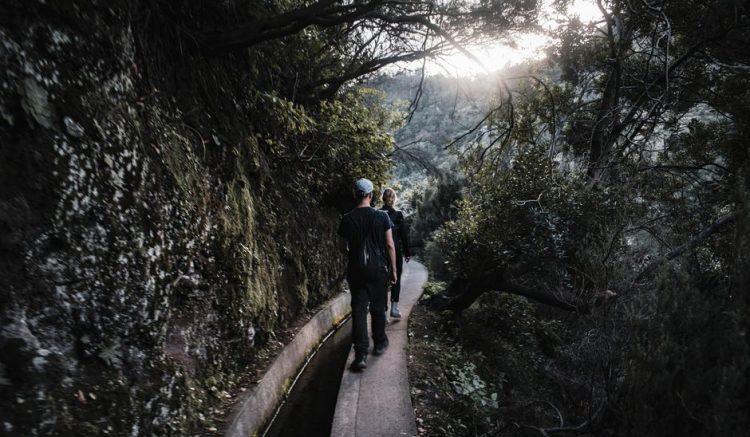
You arrive in Funchal in January expecting a wet week. The forecast shows cloud over the mountains, rain near the airport, and sunshine on the south coast. Your hiking shoes are packed, but the famous high-level route you saved may be closed, slippery, or hidden inside cloud. The question is not simply whether Madeira is warm in winter. It is how to choose the right side of the island, altitude, and trail for the weather you actually have.
Madeira works well as a winter escape because its coastal climate stays mild, while its steep interior creates several weather zones within a short drive. Visit Madeira gives winter average temperatures of about 15 °C and recommends checking official trail conditions because rain and safety work can change access. That makes a flexible plan more valuable than a rigid list of famous walks.
This is not legal advice — consult a licensed attorney.
Which levada hikes are strongest in winter?
A practical comparison of distance, exposure, and backup value
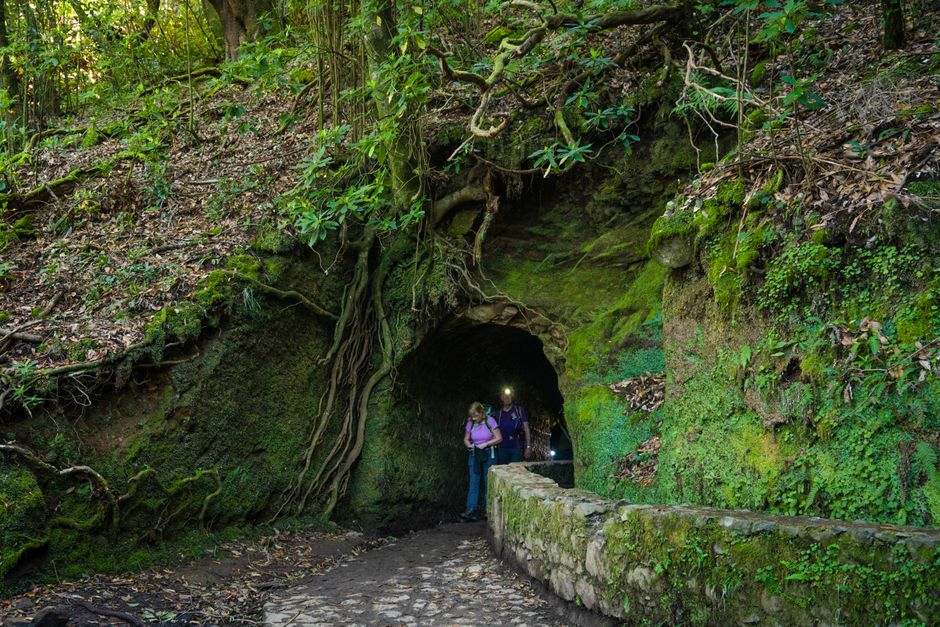
The best winter levada is not always the most famous one. A strong choice gives you enough scenery to justify the drive, a clear turnaround point, and a reasonable alternative if rain changes the plan. The table below uses published route distances and typical durations from Madeira’s official tourism information. Conditions and access can change.
| Route | Distance | Typical time | Winter strength | Main caution |
|---|---|---|---|---|
| PR 11 Vereda dos Balcões | 3 km return | About 1 hour 30 minutes | Easy forest walk at 870–880 m | Viewpoint may be in cloud |
| PR 6 Levada das 25 Fontes | 8.6 km return | About 3 hours | Waterfalls and Laurissilva forest | Wet steps, crowds, moderate effort |
| PR 18 Levada do Rei | 10.6 km return | About 3 hours 30 minutes | Sheltered north-coast greenery | Long return and wet surfaces |
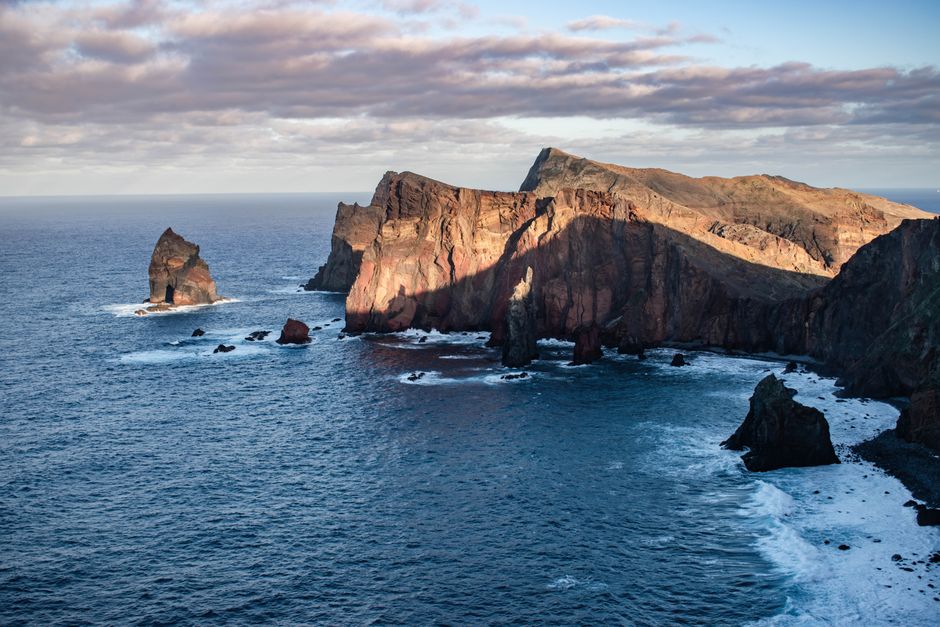
| PR 8 Ponta de São Lourenço | About 8 km return | About 2 hours 30 minutes | Often drier, open coastal views | Strong wind and little shade |
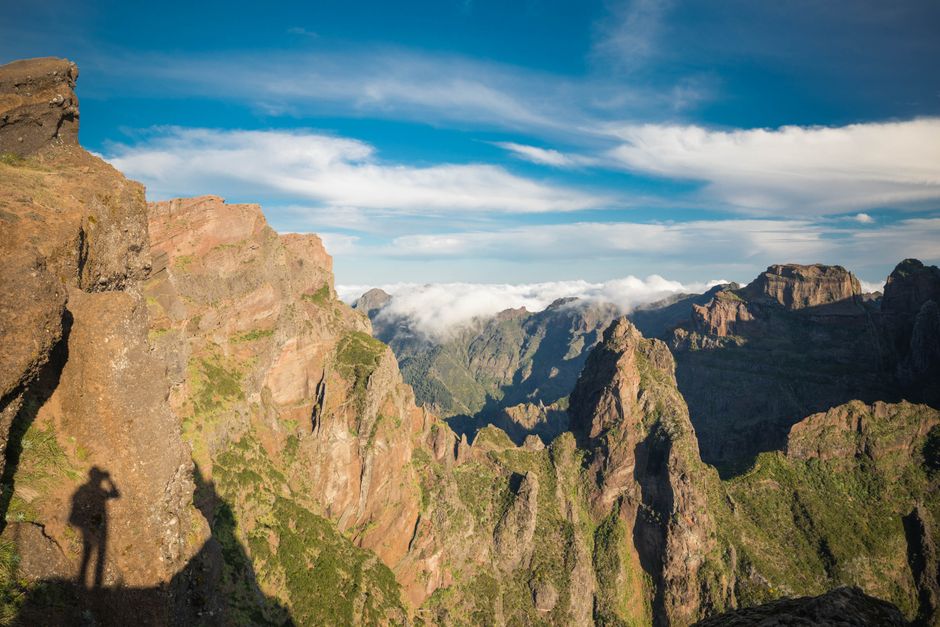
| PR 1 Vereda do Areeiro | 6.1 km route | Plan a full mountain day | Dramatic ridge scenery in clear weather | Altitude, exposure, closures, transport |
The best first choice for uncertain weather
For a first hiking day, choose PR 11 Vereda dos Balcões if the forecast is mixed. It is short, easy, and close to Ribeiro Frio, so a poor viewpoint does not ruin the whole day. For a stronger but still sensible walk, PR 6 Levada das 25 Fontes offers a clear target and lush forest. It is listed at 4.3 km each way, with a total return distance of 8.6 km and a moderate rating.
PR 8 is the best alternative after rain in the mountains if the eastern peninsula is not windy. Its semi-arid landscape drains differently from the forested levadas, but the open path offers little shelter. PR 18 Levada do Rei is a better pick for visitors who want dense greenery and can accept a longer walk. The clear winner for a flexible winter itinerary is PR 11: it has the lowest time commitment and the easiest recovery if visibility disappoints.
Why the highest trail is often the wrong winter choice
My strongest recommendation is to earn the mountain day instead of scheduling it first. PR1 Vereda do Areeiro is the dramatic choice, but it should be reserved for a stable, clear forecast and a group that can manage exposure, height, and transport logistics. It is not the sensible default for every winter visitor.
Altitude creates a different risk profile
The route from Pico do Areeiro toward Pico Ruivo crosses high, exposed terrain. Cloud can remove the views, wind can make narrow sections unpleasant, and rain can turn steps into a slow technical walk. Trail arrangements have also changed during 2026, with phased reopening and one-way sections reported by the official IFCN information. That makes the route’s current direction, entry slot, and exit plan part of the hike itself.
A visitor who wants scenery rather than a personal endurance test should choose a forest levada or a coastal route on an uncertain day. PR 6 gives you water, deep greenery, and a defined destination. PR 8 gives you open volcanic scenery at low elevation. PR 11 gives you a short route with an easy backup. These walks solve the real winter problem: finding a rewarding landscape while keeping the margin for bad weather.
When not to choose a levada
Levada walking is not the right answer for every traveler. If you dislike narrow paths beside drops, feel uneasy in tunnels, or have knee pain on repeated steps, choose a coastal promenade, botanical garden, or guided sightseeing day instead. If heavy rain has continued for hours, wait. Water can rise quickly, visibility can fall, and the trail may be closed for reasons that are not obvious from the car park.
For families with young children, PR 11 is usually a better starting point than PR 6 or PR 18 because the distance is short and the route is easier to abandon. For strong walkers chasing a challenge, PR1 may be worth the effort on the right day, but it should never be used as proof that a winter holiday was successful. The best route is the one that matches the conditions, not the one with the most dramatic name.
What should you do when weather changes your hiking plan?
What if the forecast shows rain every day?
Look at the island by zone rather than reading one general forecast. The south coast, north coast, eastern peninsula, and central mountains can have different conditions. Keep two hiking options and one non-hiking option for each day. A wet morning may become a pleasant afternoon, but a high route can stay in cloud even after Funchal clears.
What if the trail is open but the summit is hidden?
Decide what the walk is meant to provide. If the goal is forest, waterfalls, or a quiet levada, cloud may not matter. If the goal is a wide ridge panorama, the walk may no longer justify its exposure. PR 11 is still useful in cloud because the forest remains attractive, but PR1 loses much of its value when the central massif disappears and the wind rises.
What if a reservation is unavailable?
Do not assume that an unavailable slot means the whole island is booked. Some routes have limited carrying capacity, and slots can close when they reach that limit. Check another day, choose a different classified route, or select a coastal activity. The official system is also the place to confirm fees and access rules. In 2026, visitors should expect to reserve classified walking routes online and carry proof of payment where required.
A useful winter rule is to protect the next day. If rain leaves your clothes soaked and your shoes muddy, shorten the following walk. Madeira rewards travelers who leave room for recovery, meals, and changes in road or trail conditions. A packed schedule creates more pressure to ignore the signs that should stop you.
How can you build a five-day mild-weather escape?
A flexible itinerary for winter
Base yourself in Funchal or another south-coast town if your priority is mild evenings, restaurants, and access to several parts of the island. A rental car gives more freedom, but organized transfers can make one-way mountain routes easier. The plan below assumes that conditions are checked each morning, not that every route will be open exactly as listed.
| Day | Primary plan | Weather backup |
|---|---|---|
| 1 | Funchal old town, market, waterfront, and a garden | Museum visits and a long lunch if rain continues |
| 2 | PR 11 Vereda dos Balcões and Ribeiro Frio | Short coastal walk near Machico |
| 3 | PR 6 Levada das 25 Fontes if Rabaçal is open and visibility is acceptable | PR 8 Ponta de São Lourenço if the east is drier and wind is moderate |
| 4 | PR 18 Levada do Rei or another open north-coast route | São Vicente, Porto Moniz, or a coastal drive |
| 5 | PR1 only after a clear status check and stable forecast | Funchal viewpoints, Câmara de Lobos, and a relaxed south-coast day |
The final winter verdict
Madeira in winter is a strong choice for travelers who want outdoor time without committing to a single weather pattern. The island’s mild coast, green levadas, dry eastern peninsula, and dense Laurissilva forest give you several ways to build a good day. The winning approach is simple: use PR 11 as a low-risk opener, choose PR 6 or PR 18 for a deeper forest walk, keep PR 8 for a drier coastal window, and save PR1 for conditions that deserve it.
Before each hike, verify the official status, reservation, fee, route direction, and return transport. Those five checks take a few minutes and protect the rest of the trip. As winter travel becomes more focused on adaptable, lower-impact outdoor experiences, Madeira’s real advantage will remain its range: one island, several climates, and a useful alternative when the mountain says not today.