
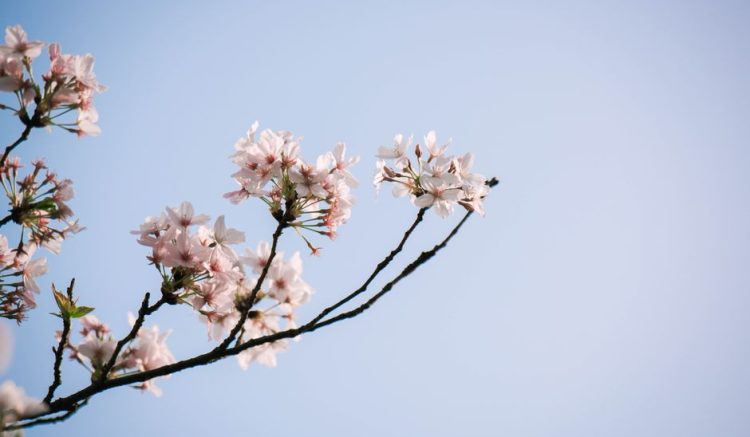
Are you planning a late-March Japan trip around a cherry blossom forecast that could shift by a week? That is the real problem. Tokyo and Kyoto can look spectacular, pale and empty, or mostly green during the same calendar week.
The fix is simple: build the trip around bloom risk instead of betting everything on one park, one date, or one perfect photograph. Late March is a strong window, but it is not a guarantee. Use flexible sightseeing days, stay near reliable train lines, and keep several blossom types in play.
Will late March actually deliver cherry blossoms in Tokyo and Kyoto?
Usually, yes. Perfectly, no. In Tokyo, the main Somei Yoshino variety often starts opening in the final days of March and reaches full bloom around the end of March or the first week of April. Kyoto follows a similar pattern, but its temples, gardens, elevation changes, and different tree varieties create a wider viewing window.
What the timing looked like in 2026
The official Tokyo forecast for 2026 placed first flowering around March 21, with roughly seven to ten days from first flowers to full bloom. Kyoto’s official calendar began tracking conditions on March 19 and showed different sites moving at different speeds.
Those dates are useful as a planning model, not a promise. The next forecast can move. A warm spell can push flowers forward. Cold rain can hold them back.
Why Tokyo and Kyoto should not be treated as one forecast
Tokyo’s central parks can bloom before cooler or higher parts of Kyoto. Kyoto also has late varieties that save the trip after the main Somei Yoshino trees have started dropping petals. Ninna-ji is known for later-blooming Omuro cherry trees, while Kyoto Botanical Garden and the northern temple districts can offer another chance.
Check the official Tokyo sakura guide and Kyoto cherry blossom calendar during the trip. Do not make a nonrefundable plan based on a forecast published months earlier.
Build the route around bloom risk, not a fixed calendar
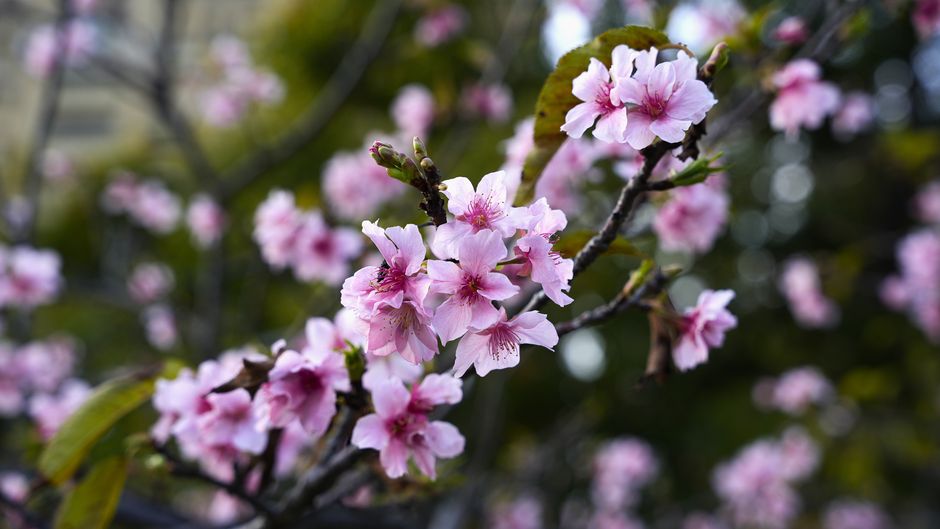
The best late-March itinerary has room to move. That means you should not schedule every famous garden on the first morning after landing. Jet lag, rain, and a bloom delay can ruin a tightly packed plan before the trip has started.
Use a three-window strategy
Give Tokyo at least three possible blossom windows: an early window for first flowers, a middle window for likely peak bloom, and a late window for falling petals or later varieties. Do the same in Kyoto. If Tokyo peaks early, use your first Tokyo days for major parks and save quieter neighbourhoods for later. If Kyoto is behind, move temple visits toward the end of the trip.
This works because cherry blossoms are not a single event. First flowers look delicate against bare branches. Full bloom creates the classic pink canopy. Falling petals create reflections, carpets, and better walking conditions in some places because crowds begin to thin.
Leave one day without a reservation
Keep one full day open for a weather decision. If rain arrives, use it for museums, department stores, food markets, or a reserved indoor attraction. If the weather clears and the flowers suddenly open, spend that day outside. Do not fill every morning with timed tickets.
A late-March trip also needs a clothing buffer. Tokyo averages can sit around 10.7°C in March, with cool mornings near 6°C and warmer afternoons near 16°C. Kyoto can feel colder early in the day, especially beside the Kamo River or on temple approaches. Pack layers, a compact umbrella, and shoes that can handle wet stone paths.
Do not make Mount Fuji the backup plan
Fuji visibility depends on clouds, not your itinerary. A clear forecast in Tokyo does not guarantee a clear view from Hakone or the Shinkansen. Treat Fuji as a bonus. A blossom trip needs backups that work in rain: Kyoto museums, Nishiki Market, tea houses, covered shopping arcades, Tokyo galleries, and neighbourhood cafés.
The strongest plan is not the one with the most famous locations. It is the one that still works when the flowers are three days early and the forecast turns wet.
A six-day Tokyo-to-Kyoto itinerary that survives bad weather
This route gives you two chances to see peak blossoms in each city, while keeping travel days controlled. It also avoids the classic mistake of spending every day crossing the same city for one famous tree.
The practical schedule
| Day | Base | Main plan | Weather backup |
|---|---|---|---|
| 1 | Tokyo | Arrive, settle in, walk Asakusa or Yanaka | Tokyo National Museum or department stores in Ginza |
| 2 | Tokyo | Ueno Park, Sumida Park, and Asakusa | Ueno museums and indoor food halls |
| 3 | Tokyo | Shinjuku Gyoen, Chidorigafuchi, or Rikugien | teamLab, galleries, or Tokyo Station dining |
| 4 | Kyoto | Travel early, then Philosopher’s Path or Okazaki | Kyoto Railway Museum and Nishiki Market |
| 5 | Kyoto | Maruyama Park, Gion, Kiyomizu-dera area | Kyoto National Museum and covered arcades |
| 6 | Kyoto | Arashiyama or Ninna-ji, chosen by bloom report | Temple interiors, tea experience, and local food |
That itinerary is deliberately loose. Pick two major blossom locations per day, not five. A park visit can take longer than expected because the best paths are crowded and the walking distances are easy to underestimate.
Where to place the flexible day
Put the open day after arrival in Kyoto if your trip is short. Kyoto’s bloom conditions can differ sharply from Tokyo’s, and the city has more useful late-bloom options. If Tokyo’s forecast looks unusually early, place the flexible day there instead.
Do not force Arashiyama and eastern Kyoto into one morning. The distance is manageable on a map but tiring in crowds. Choose one side of the city, walk it well, and return another day only if the bloom report earns the extra trip.
How to move between Tokyo and Kyoto without wasting a day
The Tokaido Shinkansen Nozomi is the best choice for this route. It is fast, frequent, and far less tiring than turning a Tokyo-to-Kyoto transfer into a sightseeing project. The trip takes roughly 2 hours and 15 minutes, and JR Central’s fare example lists a reserved Tokyo-to-Kyoto seat at ¥14,170 before any future fare changes or seasonal adjustments.
- Book the long-distance train first. Use SmartEX or another official JR booking channel once your travel dates are firm. SmartEX lets you reserve Tokaido Shinkansen seats online, and online reservations can open far earlier than a last-minute station purchase.
- Choose a reserved seat for late March. Cherry blossom travel creates heavy demand, especially on weekends and around school holidays. A reserved seat removes the unnecessary stress of arriving early and hoping an unreserved carriage has space.
- Use an IC card for ordinary city rides. Suica is the simplest option for many local trains, buses, and small purchases, but it does not replace every reserved or limited-express ticket. Keep the Shinkansen booking separate from your everyday transit balance.
- Buy the Tokyo Subway Ticket only for dense subway days. The official Tokyo Subway Ticket costs ¥1,000 for 24 hours, ¥1,500 for 48 hours, or ¥2,000 for 72 hours. It covers Tokyo Metro and Toei Subway lines, not every railway in the city. Buy it when your planned routes justify it, not because an unlimited ticket sounds convenient.
The transport mistake that wastes the most time
Many visitors book a hotel near a famous sight instead of near a useful station. That can add 20 minutes to every morning and night. In Tokyo, prioritize a practical rail connection. In Kyoto, a location near Kyoto Station is efficient for day trips, while Gion or Kawaramachi works better for evening walks. The clear verdict: choose transport access first, neighbourhood atmosphere second.
The best blossom views are not always the famous ones
Skip the idea that one viral location defines the trip. The best experience comes from mixing one famous place with one quieter location on the same day. Ueno Park and Chidorigafuchi deliver scale in Tokyo. Philosopher’s Path and Maruyama Park deliver atmosphere in Kyoto. But smaller gardens and river paths often give you more room to stop, look up, and take a photograph without a wall of phones in front of you.
Tokyo: choose scale, water, or a garden
Ueno Park is the loud, social choice. Expect picnic groups, food stalls, lanterns, and crowds. Chidorigafuchi is the stronger pick for water reflections and a dramatic city setting, especially during evening illumination. Shinjuku Gyoen is the best all-rounder because it offers lawns, different tree varieties, and enough space to escape the tightest crowds. Rikugien is more controlled and garden-like, with a famous weeping cherry tree that works well for visitors who prefer composition over party energy.
Kyoto: walk east first, then chase later blooms
For a first Kyoto morning, choose the Philosopher’s Path, Nanzen-ji area, and Okazaki Canal as one connected outing. Maruyama Park and the Gion lanes work best near dusk, when the surrounding streets feel more atmospheric. If the main blossoms have passed, check Ninna-ji, Kyoto Botanical Garden, or northern temple districts rather than declaring the season over.
Hanami also has basic rules. Do not touch branches, block narrow paths for photos, or spread a picnic sheet outside marked areas. Carry your rubbish when bins are full. The flower-viewing tradition works because people share public space; crowds do not excuse careless behavior.