

You land in a new city, collect your bag, and suddenly every small choice feels public. Which train goes downtown? Is this the right exit? Should you eat near the hotel or walk farther? The best first solo trip is not the boldest one. It is the trip with fewer high-pressure decisions, a clear arrival plan, and enough empty time to recover when plans change. Build those three things and confidence follows quickly.
Why your first solo trip feels harder than it is
The first solo trip combines ordinary tasks with unfamiliar surroundings. At home, you can make a wrong turn, forget a charger, or change dinner plans without thinking much about it. Abroad, the same mistake feels like proof that you are not ready. That feeling is loud, but it is not useful evidence. Most first-trip stress comes from decision overload, not from genuine danger.
Fear is usually a planning problem
A vague worry grows when it has no answer. “What if something goes wrong?” covers lost luggage, a missed train, a dead phone, getting sick, and feeling lonely. Give each worry one response. Save the hotel address offline. Keep a second payment card separate from your wallet. Write down the local emergency number. Choose a hotel within a short taxi ride of the station or airport. These actions do not remove every risk. They stop small problems from becoming a chain of problems.
Confidence comes from kept promises
Do not measure confidence by how calm you feel before departure. Measure it by the promises you keep to yourself. You said you would check the route before leaving the hotel, and you did. You said you would eat before becoming exhausted, and you did. You said you would leave an uncomfortable situation, and you did. After two or three days, the brain has fresh evidence that you can handle unfamiliar places. That evidence matters more than motivational advice.
How to choose a first solo destination without gambling on safety
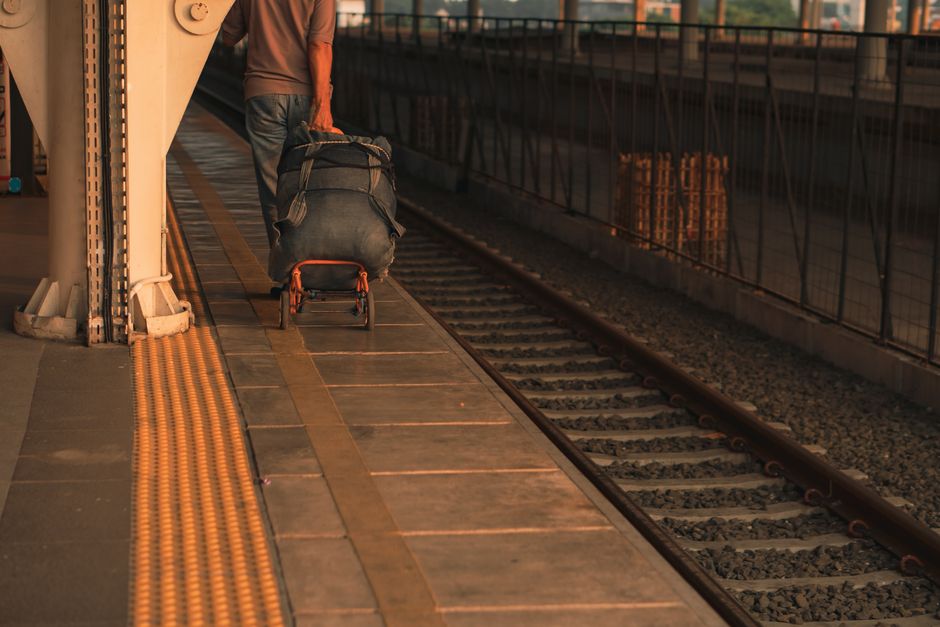
Choose a destination that makes the first 24 hours simple. A direct airport connection, reliable public transport, common lodging options, and a language you can manage all reduce pressure. You do not need the world’s safest destination. You need a trip whose weak points you can see before you leave.
A first-trip filter
The decision rule
Pick the destination where you can explain your arrival in five sentences: where you land, how you leave the airport, where you check in, where you buy food, and how you contact help. If the plan needs twelve steps and three backup options, save that destination for a later trip. A first solo journey should stretch your skills, not test every skill at once.
Also check the boring details before booking. Look at the airport arrival time, the last train, local taxi rules, common card payments, and the distance between your lodging and the area you want to explore. A beautiful destination loses its appeal when you arrive at midnight with no clear way to reach the hotel.
Build a safety system you can actually follow
Solo safety works best as a short routine. A complicated system collapses when you are tired, hungry, or rushing for a train. Use the same checks every travel day until they become automatic.
The six-part setup
- Share your base. Send one trusted person your hotel name, booking dates, and transport details. Include the address in plain text, not only a map pin.
- Use two payment methods. Keep one card in your wallet and one in a separate pouch. Carry a small amount of local cash for transport or places with a card minimum.
- Set a check-in rhythm. A short message after arrival and once each evening is enough. You do not need to report every movement.
- Protect your exit. Keep enough battery, money, and transport access to leave a place without asking a stranger to solve the problem for you.
- Trust discomfort early. You can leave a bar, change seats, cancel a tour, or enter a busy shop while you decide what to do next.
What to do when a plan fails
Use a three-step reset: stop moving, reach a public place, then choose one next action. A café, hotel lobby, staffed station, or museum desk is better than wandering while frustrated. Drink water and check your offline map. Call the hotel or your trusted contact if you need another voice. The common mistake is trying to solve the entire day at once. Solve the next ten minutes. Then reassess.
Do not publish your live location publicly, display cash while navigating, or tell new acquaintances your exact room number. These are simple boundaries, but they remove avoidable exposure without making the trip feel restrictive.
Pack fewer decisions into your first solo trip
Halfway through planning, gear becomes useful for one reason: it removes small points of friction. The goal is not to buy a complete travel setup. The goal is to keep your phone alive, your essentials findable, and your bag manageable.
Choose one bag you can control
Its 44-litre capacity gives you room for a light jacket and shoes without forcing checked luggage. Use packing cubes and keep one change of clothes in the top section. If 44 litres encourages overpacking, choose a smaller 30-litre bag instead. The best bag is the one you can lift into a train rack without help.
Carry only three useful electronics
Put it inside checked luggage or a bag pocket, not on display. It is a recovery aid, not a security system; it cannot stop theft or replace a baggage claim report.
The Anker Power Bank 10K, 22.5W adds a practical backup for a long transfer. It has a 10,000mAh cell capacity, USB-C and USB-A ports, measures 151 by 71.4 by 15.9 millimetres, and weighs 248 grams. It is heavier than a tiny emergency battery, but the extra capacity earns its place on travel days. Anker’s published specifications are available in its product information.
Which mistakes turn confidence into panic?
My strongest recommendation is to design for recovery, not perfection. The traveller who knows how to pause, find a staffed place, and change the plan will feel safer than the traveller with a perfect itinerary but no backup. Most avoidable problems come from stacking small mistakes: skipping breakfast, running the phone to five percent, booking the last train, and accepting help from someone who creates pressure.
Replace these habits before departure
- Do not schedule an attraction immediately after landing; leave at least two hours for transport and check-in.
- Do not keep your passport, wallet, phone, and cards in one pocket; separate the items before leaving home.
- Do not choose a distant hotel to save a small amount; the return journey can cost more in time, stress, and transport.
- Do not treat a missed reservation as a ruined day; move the activity, eat, and continue with the next simple plan.
- Do not stay polite when a situation feels wrong; a clear “no,” a busy street, and a staffed building are enough.
Your first solo trip should end with a stronger sense of control, not a story about surviving a punishing itinerary. Choose a manageable destination, protect your basic needs, and leave space for ordinary days. That is how the road starts to feel familiar.
| If your main worry is | Make this choice |
|---|---|
| Getting lost | Offline maps, a written hotel address, and one simple arrival route |
| Feeling unsafe | Central lodging, public places, and a trusted-person check-in |
| Phone failure | A charged 10,000mAh power bank and a second charging cable |
| Overpacking | A smaller bag with a fixed five-item clothing rotation |
| Loneliness | One social activity, one familiar meal, and an open afternoon |