
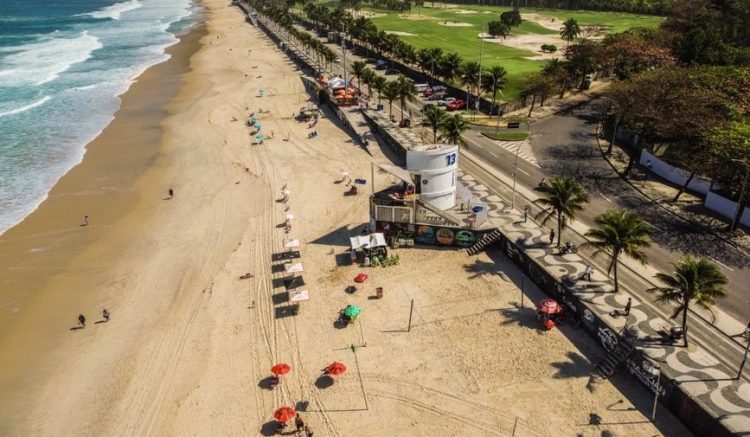
Rio Carnival is not one party in one place. That is the first mistake to avoid. It is a city-wide event spread across street blocos, samba-school parades, beaches, bars and neighbourhood squares. You can stay beside the sand and still spend an hour reaching a bloco. You can sleep near the Sambadrome and miss the best beach mornings. Pick the wrong base and Rio feels exhausting.
The best choice for most first-time visitors is Ipanema. It gives you a strong beach, restaurants, metro access and a manageable route to Copacabana and the Centro. Copacabana wins for convenience and maximum Carnival noise. Lapa wins for nightlife and access to the Sambadrome, but it demands sharper street awareness. The advice below is direct because vague travel advice is not useful during a packed festival.
Is Rio Carnival safe? Start with the right mental model
Safety is about exposure, not fear
Rio Carnival is not automatically unsafe, and pretending that it is would be lazy advice. The real problem is exposure: huge crowds, alcohol, late nights, phones held above heads, unfamiliar streets and visitors carrying passports, cameras and cards in the same bag. Those conditions make pickpocketing easier. They also make it harder to notice a problem before it becomes serious.
Think in short, practical rules. Carry only the phone, one payment card and a small amount of cash you need for that outing. Leave your passport, spare cards, jewellery and expensive watch in your accommodation. Keep your phone inside a zipped pocket or a small cross-body bag worn in front. Do not stand at the edge of a crowd scrolling through maps. Step into a shop, hotel lobby or café before checking directions.
Choose public routes and busy hours
Stay on streets with people, open businesses and visible transport. A crowded bloco is not a reason to panic, but it is a reason to keep moving with your group. Arrange a meeting point before entering a parade because mobile data can slow down when thousands of people are using the same network.
Do not go to a city beach after dark. Avoid accepting invitations from strangers to leave a public event for an isolated party or vehicle. Check your bank card after using a beach vendor or small shop, since payment-machine scams and incorrect charges can happen in busy tourist areas. The winning mindset is simple: enjoy the crowd, reduce what you carry and keep control of your route.
Where to stay: Ipanema, Copacabana or Lapa?

There is no perfect Carnival neighbourhood. There is a best match for the trip you actually want. Use this table before booking, then check the exact street rather than trusting a neighbourhood label.
| Neighbourhood | Best for | Main advantage | Main trade-off | Verdict |
|---|---|---|---|---|
| Ipanema | First-time visitors | Beach, restaurants and metro access | High demand and higher nightly rates | Best overall base |
| Copacabana | Convenience and big crowds | Long beach, many services and multiple metro stations | Louder, denser and more tourist-heavy | Best for nonstop energy |
| Leblon | Comfort and quieter evenings | Polished streets, good restaurants and a calmer beach feel | Most expensive of the three | Best for comfort over bloc access |
| Botafogo | Food, views and value | Excellent restaurants and easy connections | Not the best swimming beach | Best for independent travellers |
| Lapa or Centro | Nightlife and Sambadrome access | Close to samba venues and central bloc routes | Quieter streets can feel uncomfortable late | Best for experienced city travellers |
| Barra da Tijuca | Space and beach time | Wide beaches and modern accommodation | Longer trips to central Carnival events | Skip it for a first Carnival |
My clear ranking is Ipanema first, Copacabana second and Leblon third for most visitors. Choose Lapa or Centro only if the Sambadrome and nightlife matter more than easy beach mornings. Choose Barra only when a large beach, resort-style stay or an event in the west is your main reason for visiting.
Which beach should you choose on a Carnival morning?
Copacabana is the practical beach: long, famous and easy to reach, with plenty of kiosks and transport nearby, but it becomes crowded fast during holiday mornings and gives you the least peace. Ipanema is the better all-round choice because you can swim, walk toward Arpoador, eat nearby and return to your accommodation without crossing the whole city.
Leblon is the pick for a slower morning after a late bloco, with a more polished feel and fewer first-time visitors wandering around, but the price of that calm is higher accommodation and restaurant costs. It is also a poor choice for anyone who wants to be in the middle of street Carnival from breakfast onward.
Barra da Tijuca and Recreio offer more space and a less compressed beach day, but their distance from the traditional Carnival core makes them a bad base for a short trip. The beach is not the whole point of Rio during Carnival; the winning beach is the one you can reach safely, enjoy for two hours and leave before your next event.
For a first visit, choose Ipanema near a metro station, walk to Arpoador at sunrise or late afternoon, and treat Copacabana as a separate outing. That plan gives you the classic scenery without locking every day into the busiest stretch of sand.
How to move between blocos, beaches and the Sambadrome

Build your day around one main event and one nearby add-on. Trying to cross Rio for three different blocos is how visitors lose time, phones and patience.
- Start with the official schedule. The free Blocos do Rio 2026 app listed 460 authorised street parades across the city, including routes in the Centro, Zona Sul, Tijuca, Zona Norte and Barra areas. Check the route on the day because streets and access points can change.
- Buy the return before the crowd peaks. During special Carnival operations, MetrôRio may keep selected stations open around the clock or change which entrances allow boarding. Read the official station notice instead of assuming every entrance works normally.
- Use a booked car for the final connection. Uber and 99 are useful when a parade ends far from a metro station, but do not order a car from the middle of a blocked street. Walk to a lit, busy pickup point and match the driver, plate and vehicle in the app.
- Keep a written fallback. Save your accommodation address in Portuguese, carry a small paper note with a trusted contact and decide what to do if the group separates. A prearranged meeting point near a known station beats trying to describe a random street corner through a weak phone signal.
The official MetrôRio Carnival page is the source to check for special hours and access changes. Transport is part of your safety plan, not a boring detail added after the itinerary.
Mistakes that ruin Rio Carnival—and the better alternative
The biggest mistake is treating Carnival like a standard beach holiday with a few samba shows added. Rio changes shape during the festival. Streets close, buses move slowly, metro entrances operate differently and a short journey can take much longer than the map suggests.
Failure mode: booking by postcard
A famous view does not guarantee a useful base. A room in Barra may look perfect online but strand you far from the street parties you came to see. A cheap room in a quiet back street may create an awkward walk after midnight. Check the route from the front door to a metro station, café or staffed hotel entrance before paying.
Failure mode: carrying the whole trip
Visitors bring a passport, camera, spare phone, multiple cards and a large beach bag to every event. That is too much. Take one phone, one card, a little cash, water and the minimum beach kit. Leave everything else locked away. On the beach, keep the bag small and visible; do not leave a phone or wallet under a towel while swimming.
Failure mode: trusting one transport plan
Metro-only plans fail when an entrance closes. Car-only plans fail when streets are blocked. Use the metro for the main corridor, walking for short daytime connections and Uber or 99 for the final leg when needed. Check the latest Brazil safety advice before leaving, especially for beach and large-crowd guidance.
Rio Carnival rewards visitors who plan lightly but deliberately. The city is still changing how it manages crowds, transport and street events, so future Carnivals will likely spread even further beyond the postcard districts. That is good news: choose your neighbourhood for the experience you want, keep your route simple, and let the city stay bigger than one famous beach.