
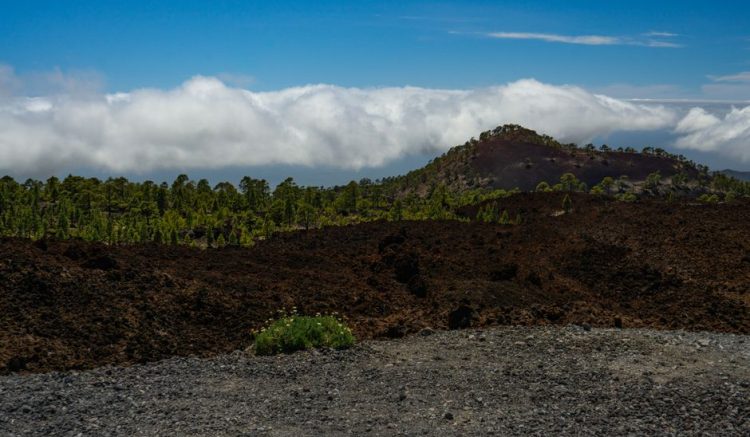
You leave a cold European city in January, land in Tenerife wearing a coat, and then face the first surprise: the beach may feel warm while Mount Teide has snow and ice. A successful winter trip needs two plans in one day. Use the highlands for clear volcanic views and a proper hike, then descend to the coast for lunch in the sun. The key is altitude, not distance. Tenerife Sur averages about 18.4°C in January and 18.5°C in February, while the Teide summit reaches 3,715 metres and can have freezing conditions, wind, snow, and closed paths.
When Tenerife has winter sun and Teide snow
Why the coast and summit feel like two seasons
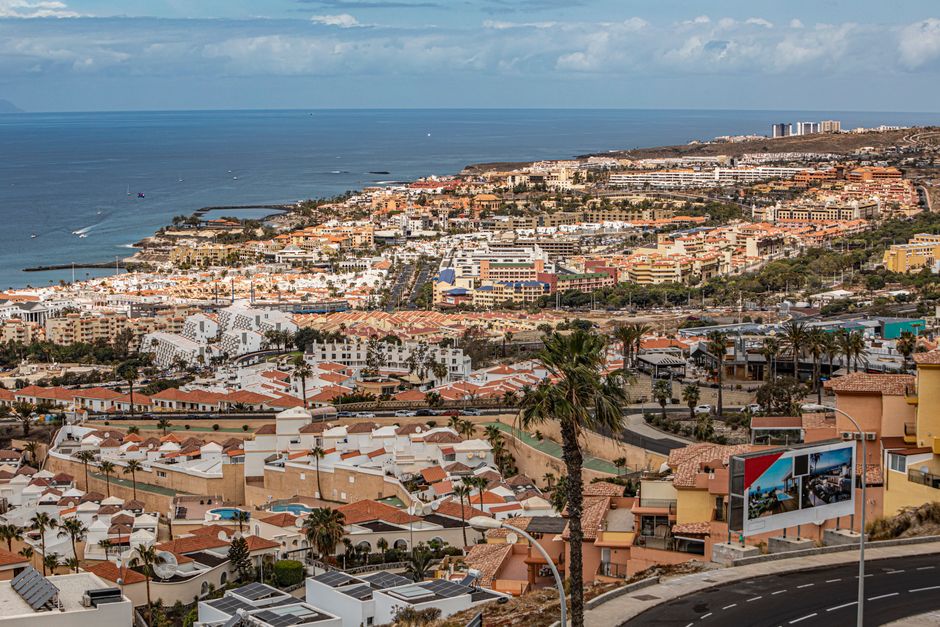
Tenerife in winter is warm at sea level and alpine above the clouds. The south coast around Costa Adeje, Los Cristianos, and El Médano usually gives you the best chance of bright weather. The north can be greener and cloudier because trade winds push moisture against the mountains. At Teide, the same cloud layer may sit below you, leaving the volcanic plateau in bright sunshine while Puerto de la Cruz looks grey.
Do not pack for one island-wide temperature. At the beach, you may need shorts and sunscreen. At the cable-car upper station, 3,555 metres above sea level, you need a warm mid-layer, gloves, long trousers, and solid shoes. The summit adds another 160 metres and feels colder because wind removes body heat quickly.
Pick the right weather window
Choose a Teide day after checking three forecasts: the lowland forecast for your hotel, the mountain forecast, and the cable-car operating notice. A clear Costa Adeje morning does not prove that the cable car will run. High wind, ice, or cloud at the upper station can stop the service. Check the official park information and Tenerife ON before leaving, then look at the road conditions for TF-21, TF-24, or TF-38.
For winter light, aim to reach the park between 9:00 and 10:00. You get better visibility before afternoon cloud builds and still have time to descend before temperatures fall. If snow has recently fallen, treat every shaded bend as a possible ice patch. The official Tenerife tourism guidance warns that winter snow can create slippery plates of ice, even when the sky looks clear.
How to plan a safe Teide hike step by step
Use this five-step morning plan
- Step 1: Choose your route. Beginners should start with Roques de García or a short trail near the Parador. Fit hikers can walk Montaña Blanca toward La Rambleta. The final summit path is a separate decision.
- Step 2: Check access before booking transport. The Telesforo Bravo trail from La Rambleta to the Pico del Teide requires an access permit for the normal daytime slot. Current reservations are managed through Tenerife ON. A cable-car ticket alone does not grant summit access.
- Step 3: Pack for altitude. Carry at least 1.5 litres of water per person, a thermal layer, waterproof shell, hat, gloves, sunscreen, sunglasses, a headlamp, a charged phone, and a small thermal blanket. These items matter even on a sunny day.
- Step 4: Start slowly. Do not race uphill during your first hour. The thin air can cause headache, nausea, dizziness, and unusual breathlessness. Stop, drink, and descend if symptoms worsen.
- Step 5: Set a turn-around time. For a self-guided day, 13:00 is a useful cut-off for the high route. Leave enough daylight for the drive down, especially if snow or fog slows the road.
Know what the summit permit does not cover
The permit controls the final approach to the crater; it does not make the mountain safe or guarantee cable-car operation. Rangers can close a trail after ice, wind, or other hazards. The Telesforo Bravo route is also tightly managed: visitors must stay on the marked path, cannot enter the crater, and cannot walk around it. Call 112 for an emergency. Save the location of your car, download maps before climbing, and tell someone at your accommodation which route you intend to use.
If you want sunrise, plan it as a separate mountain activity. The normal cable-car schedule will not help you reach the summit before opening. A permitted early-morning ascent or an authorised overnight arrangement requires more preparation, warmer clothing, and a reliable light source.
Which Teide route and gear fit your winter day
Compare the three practical options
The best choice for most visitors is the cable car plus a short upper-station walk. It gives you altitude and views without turning a holiday into a demanding ascent. Choose Montaña Blanca only if you regularly handle long climbs and understand that the route reaches high altitude quickly.
| Option | Key figures | Winter verdict |
|---|---|---|
| Teide Cable Car return | €43 listed adult return fare; upper station at 3,555 m; about 1 hour for the visit | Best for views with limited hiking time |
| Montaña Blanca PNT 07 | 8.3 km to La Rambleta; about 5 hours; 1,194 m ascent; high difficulty | Best for strong hikers with a full day |
| Telesforo Bravo summit path | La Rambleta to 3,715 m; daytime access permit required | Best only when the permit, weather, and health all line up |
Buy gear for ice, not for beach photos
The Quechua MH500 waterproof hiking shoes cost €59.99 on the Spanish Decathlon site and have 5 mm lugs, making them the sensible value pick for marked winter trails. The Salomon X Ultra 4 Mid Wide Gore-Tex is the stronger choice for walkers who want more ankle coverage and a firmer hiking boot; a European listing shows €180. Neither shoe replaces traction aids on fresh ice. If the park reports icy conditions, postpone the high route or ask a qualified local guide about suitable equipment.
It is useful for remote multi-day trips, not a sensible purchase for a short cable-car outing. For normal day hikes, a fully charged phone, offline map, power bank, and emergency contact plan are enough.
The winter mistake that ruins a Teide day
The bad plan
My clear verdict: never build your whole Tenerife day around reaching the summit. The common failure is booking a non-refundable excursion, assuming the cable car must run because the coast is sunny, and arriving without a lower-altitude alternative. Another mistake is treating 3,555 metres like a sightseeing platform: altitude can produce symptoms quickly, and a person who feels fine at the hotel may struggle after leaving the cable car. Thin trainers slip on volcanic gravel, cotton stays cold when damp, and a late start leaves little margin when fog or snow slows the descent. A summit permit also does not override a closure, and a reserved cable-car time does not create a right to board after you arrive late.
The better fallback
Keep one flexible day in your itinerary. If the high route closes, drive to Roques de García, walk the accessible sections near the Parador, or descend to the south coast for a sunny afternoon. If Teide is clouded but Anaga has clear weather, switch landscapes rather than forcing the mountain. This approach protects the best part of the trip: you still get a volcanic walk, a warm meal, and time outdoors instead of spending the day arguing with a closed gate. Check the park status again before setting off, because conditions can change after breakfast.