
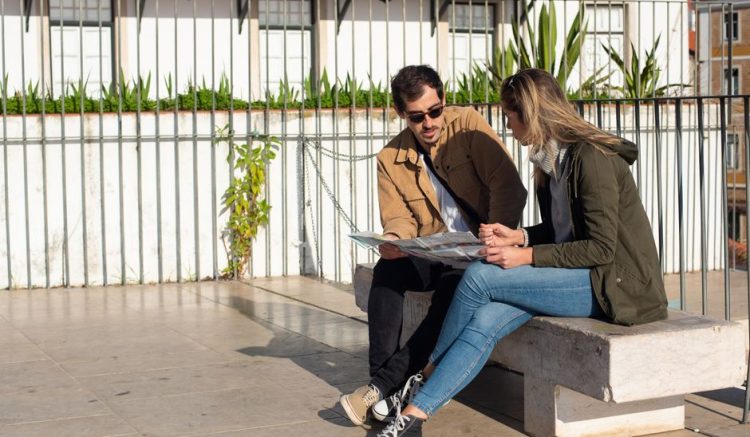
On January 1, Lisbon gets about 9 hours and 54 minutes of daylight, and afternoon temperatures often reach around 15°C. That is not beach weather. It is excellent walking weather, provided you pack for rain and wind. Lisbon in January works best for travellers who want museums, food, viewpoints, tiled streets, and breathing room around the major sights. It fails for anyone expecting dependable sunshine or late summer energy.
Is Lisbon warm in January? Here is the honest forecast
The daytime temperature is mild, not hot
Lisbon has one of Europe’s softer winters. January afternoons commonly sit around 14–16°C, while nights fall to roughly 8–10°C. A sunny afternoon can feel pleasantly warm when you are climbing through Alfama, but the same temperature feels cold beside the Tagus when a damp Atlantic wind arrives. The city’s hills also change the experience. You may start a walk in bright sun near Baixa, then reach a windy viewpoint in Graça ten minutes later.
The practical verdict is simple: wear layers, and plan outdoor sightseeing for the middle of the day. A T-shirt under a light jumper and waterproof jacket is more useful than a bulky winter coat. You will not need heavy snow gear, but you will regret bringing only thin shirts.
Rain is the real January variable
Rain, not cold, causes most bad Lisbon days in January. Some showers last twenty minutes; others settle in for several hours. The forecast can change quickly, so build an indoor backup into every day instead of treating rain as a disaster.
| January factor | Typical planning figure | What it means for your trip |
|---|---|---|
| Afternoon high | 14–16°C | Comfortable for walking with a light outer layer |
| Night temperature | 8–10°C | Pack a warm layer for dinner and viewpoints |
| Daylight on January 1 | About 9 hours 54 minutes | Start outdoor sightseeing before lunch |
| Sunset at the start of January | About 5:15 p.m. | Do not leave viewpoints and Belém for late afternoon |
| Atlantic water temperature | About 16°C | Good for looking at, not casual swimming |
January is a strong choice for a city break. It is a poor choice for a swimming holiday. That distinction saves people from booking the wrong trip.
January is worth it for city-first travellers
The clear verdict
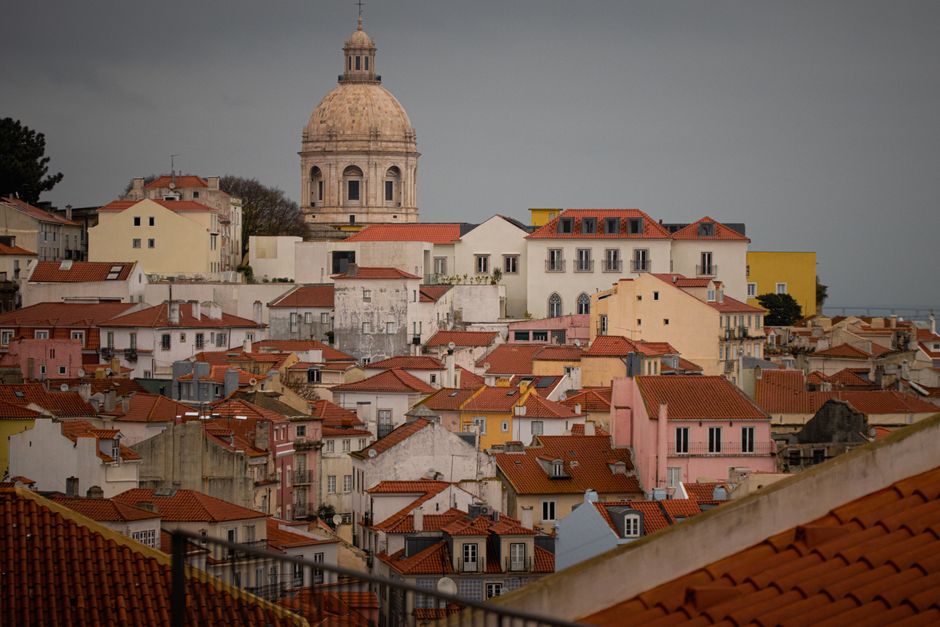
Choose Lisbon in January if your ideal day means a long lunch, historic streets, museums, viewpoints, and a flexible schedule. January removes the worst pressure from the city: packed trams, shoulder-to-shoulder viewpoints, and queues that turn a short visit into a logistics exercise. You can move through Belém, the Alfama lanes, and the Baixa grid at a calmer pace, then sit down for dinner without planning every reservation weeks ahead.
Who should skip it
Skip January if your main goal is warm sand, reliable outdoor dining every night, or long evenings that stay bright until 9 p.m. Lisbon is mild, but mild is not the same as warm. The best January trip treats the weather as part of the design: outdoor sights when the sky is clear, churches and museums when it rains, and slow meals when the sun disappears early. That is the winning formula, and it is far more enjoyable than trying to force a summer itinerary into a winter week.
How to build a rain-proof three-day Lisbon itinerary
Day one: Baixa, Chiado, and Alfama
Start in Baixa before the streets fill. Walk from Praça do Comércio through Rua Augusta, then climb toward Chiado and the Carmo area. Keep the first morning flexible because this is the easiest day to adjust around a shower. If the pavement is dry, continue through Alfama to the Miradouro de Santa Luzia and Portas do Sol. If rain arrives, spend the afternoon inside the Museu do Fado or one of the city’s churches, then return to the viewpoint near sunset only if the sky clears.
Do not schedule the famous Tram 28 as your only plan. It can be crowded even in winter, and a tram ride is not a substitute for seeing the neighbourhood on foot. Walk a smaller section, use public transport when your legs need a break, and keep your phone away on narrow, busy streets.
Day two: Belém before the wind rises
Give Belém the clearest weather window. Begin with the Jerónimos Monastery, then walk toward the river for the Monument to the Discoveries and Belém Tower. Check opening days and timed-entry rules before leaving your accommodation; winter hours and maintenance closures can change the order of the day. The waterfront is exposed, so do not arrive late afternoon expecting the same comfort as central Lisbon.
Use the Pastéis de Belém bakery as a short food stop, not as your whole afternoon. If rain moves in, switch to the nearby museums. The Museu de Marinha and Museu Nacional dos Coches give you solid indoor options without wasting the trip across town.
Day three: choose Sintra or stay in Lisbon
Sintra is beautiful in January, but mist and rain can hide the views around Pena Palace. Go only when the forecast gives you a reasonable dry window. Start early, wear shoes with grip, and expect cooler conditions than in central Lisbon. On a wet or windy day, stay in the city and visit the Calouste Gulbenkian Museum, the National Tile Museum, or the Estufa Fria greenhouse. The better choice is the one that protects your day from a bad forecast, not the one that looks most impressive on a postcard.
What to pack for Lisbon in January
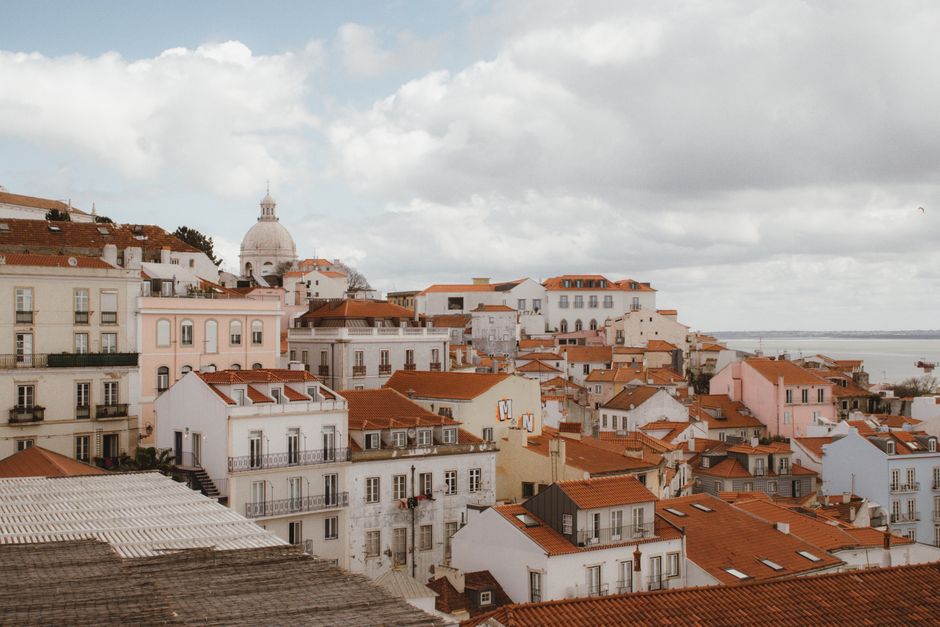
Pack for changing conditions, not for the temperature on your phone. Lisbon rewards light luggage, but only when every item earns its space. These are the five things that matter.
- A waterproof shell: Choose a jacket with a hood rather than relying on a small umbrella. Wind funnels through streets and viewpoints, and a hood keeps both hands free on steep pavement.
- Comfortable shoes with grip: Lisbon’s calçada pavements are attractive and slippery when wet. Thin fashion soles are a bad idea on Alfama’s slopes. Bring trainers or walking shoes with a firm rubber outsole.
- Two warm middle layers: A merino jumper, fleece, or light sweatshirt gives you more control than one heavy coat. Mornings and nights feel cold; sunny afternoons may not.
- Quick-drying trousers: Denim takes too long to dry after a shower. One pair of jeans is fine, but add trousers made from a lighter fabric for wet walking days.
- A small dry bag: Use it for your phone, passport, charging cable, and glasses. January rain often arrives while you are between two covered spaces.
Leave the beach towel and bulky summer wardrobe at home. Bring lip balm, sunscreen, and sunglasses instead. Winter sun still reflects off the pale pavements and the river, and a clear afternoon can feel brighter than the forecast suggests.
One more rule: do not pack an umbrella as your only rain plan. A cheap umbrella can work in central streets, but gusts near the waterfront turn flimsy models inside out. A hooded shell is the reliable choice.
Which Lisbon January mistakes ruin the trip?
Will rain cancel a Lisbon break?
No. Poor planning will. The common mistake is putting every outdoor sight on one day and every indoor sight on another. Reverse that logic. Pair a major outdoor area with a nearby indoor backup, check the next day’s forecast each evening, and keep one flexible block in the itinerary. Rain is manageable when you can change direction without losing a reservation.
Is a day trip always a good idea?
No. Sintra is a bad choice in heavy rain, strong wind, or thick fog if your main reason for going is the palace views. Cascais is also less rewarding when the waterfront is grey and exposed. Stay in Lisbon on those days and explore the Tile Museum, Gulbenkian Museum, Estufa Fria, or a long lunch in a traditional neighbourhood. A city day is not a consolation prize; it is often the more comfortable and more memorable plan.
What should January visitors stop expecting?
Stop expecting summer opening patterns, late sunsets, and guaranteed outdoor tables. Some attractions shorten hours, some monuments close on fixed weekdays, and the last useful daylight disappears around 5:15 p.m. Plan your riverfront walks and viewpoints before lunch, then let the evening belong to food, music, and warm interiors. If you want a beach-led Portugal trip, choose late May through September instead. If you want a quieter European city with mild afternoons, fewer queues, and enough indoor depth to handle a shower, January is the better fit.
That is the real answer to the opening fact. Lisbon may give you only about ten hours of daylight in January, but 15°C afternoons, flexible sightseeing, and a rain-ready plan are enough for a genuine winter escape. Pack the shell, start early, and let the city stay pleasantly imperfect.