
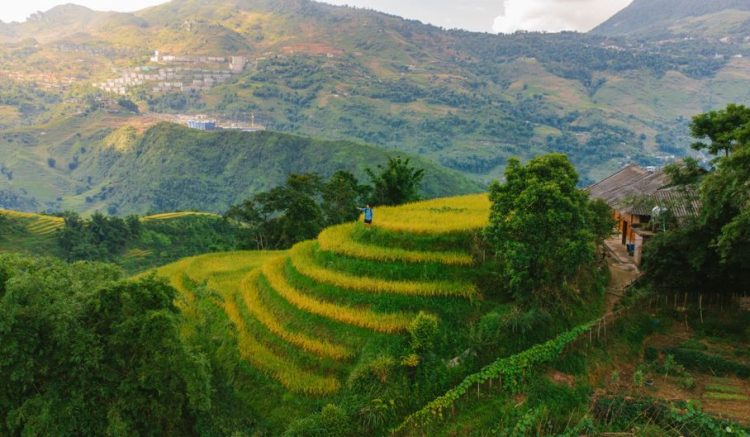
You land in Luang Prabang with a small pack, two weeks of annual leave, and one fixed idea: keep moving south without turning the trip into a chain of exhausting bus rides. January suits that plan. Northern Laos has cool mornings, southern Laos feels warmer, and Cambodia offers dry temple days before the hottest months arrive. The catch is that this route crosses long distances, a less predictable international land border, and regions where cash, offline maps, and backup transport matter more than a polished itinerary.
The route below runs from Luang Prabang to Nong Khiaw, Vang Vieng, Vientiane, the Bolaven Plateau, Don Det, Siem Reap, and Phnom Penh. It takes 17 nights at a steady pace. A shorter trip should remove Nong Khiaw or Vientiane rather than cutting every stop down to one night.
What is the best January route through Laos and Cambodia?
The strongest route follows Laos from north to south, then crosses into Cambodia near the Four Thousand Islands. It gives you limestone scenery, river towns, waterfalls, colonial streets, temples, and a final capital-city stop without repeated backtracking. The table treats travel days as real travel days, not blank spaces between attractions.
| Days | Base | Plan | Typical movement | Main risk |
|---|---|---|---|---|
| 1–3 | Luang Prabang | Old town, Kuang Si Falls, Mekong sunset | Airport transfer and local tuk-tuks | Overbooking a day trip after a late arrival |
| 4–5 | Nong Khiaw | Viewpoint hike and Nam Ou scenery | Minivan, roughly 3–4 hours | Limited evening transport |
| 6–7 | Vang Vieng | Karst viewpoints, caves, river activities | Train or road transfer, roughly 2–4 hours | Trying to combine too many paid activities |
| 8 | Vientiane | Pha That Luang, Patuxai, night market | Train or minivan | Using the capital only as an airport stop |
| 9–10 | Pakse and Bolaven Plateau | Waterfalls, coffee farms, village roads | Flight or long bus from Vientiane | Riding unfamiliar roads after dark |
| 11–12 | Don Det | Mekong islands and a slow recovery day | Bus to Nakasong, then boat | Assuming every border or boat connection runs on time |
| 13–15 | Siem Reap | Angkor temples over two mornings | Land crossing or flight via a larger hub | Visiting Angkor at midday heat |
| 16–17 | Phnom Penh | Royal Palace, riverside, history museums | Bus or flight from Siem Reap | Leaving no buffer before an international flight |
Route verdict: For a first January trip, end in Phnom Penh and fly home from there. The route has a clear north-to-south shape, and the final two nights create a buffer after the most uncertain transport segment.
Is January the right month for Laos and Cambodia?
The short verdict
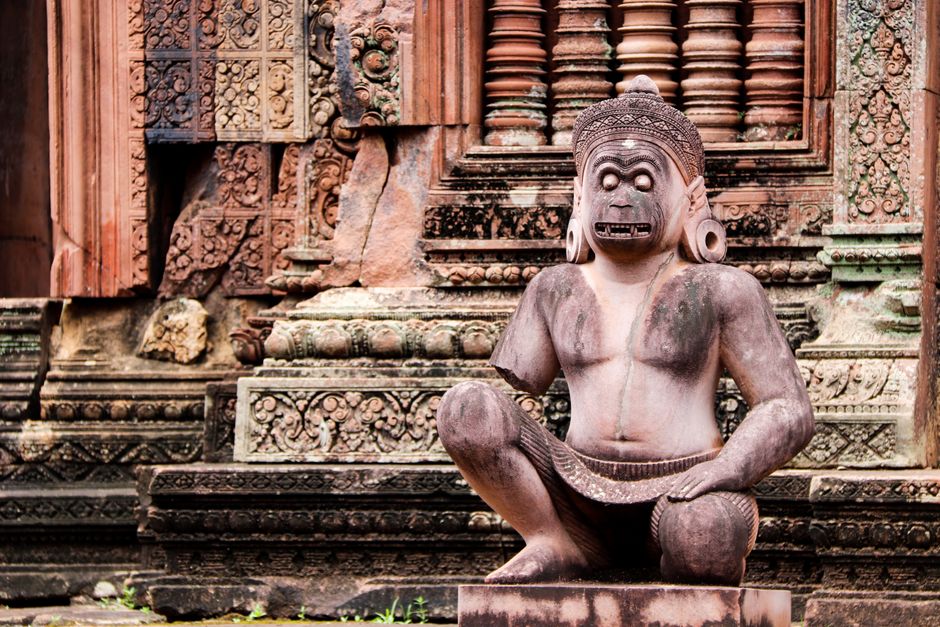
January is the best compromise month for this route. Northern Laos can feel cold before sunrise, with temperatures near 10°C in elevated areas, while afternoons often become comfortable for walking; Cambodia is usually dry and bright, but Angkor and Phnom Penh can still feel hot in the afternoon, so the practical winning schedule is an early start, a long lunch break, and a second outing after 3 p.m.
The tradeoff you should accept
You are buying better walking weather at the cost of higher demand, busier temples, and less flexibility in popular guesthouses. January does not guarantee clear air in every northern province, because agricultural burning can create haze as the dry season develops, and it does not remove the need to check current border rules, visa conditions, road delays, and local weather before each major transfer. If cool mornings, crowds, or a fixed budget bother you more than rain, late November or early December may suit you better; if your priority is the driest possible Cambodia beach weather, March can be warmer but far less comfortable for long temple walks.
How should you move between Laos and Cambodia?
Use slow travel in northern Laos
Luang Prabang deserves three nights because the town works best at walking speed. Take one full day for the old quarter and Mekong riverfront, one morning for Kuang Si Falls, and keep the third day flexible for a cooking class, a temple visit, or simple recovery. Nong Khiaw changes the rhythm. The road is slower, restaurants close earlier, and a viewpoint hike can occupy most of a day, so two nights is the minimum that makes the detour worthwhile.
From Nong Khiaw, return toward the main transport network before continuing to Vang Vieng. The Laos-China Railway can save time on major corridors, but the station may sit outside the centre and tickets can sell out around busy travel periods. Add the full station transfer and boarding process to your timetable. A cheap ticket is not a fast trip if the station is 20 minutes outside town and your minivan leaves from another district.
Choose the south for waterfalls and space
Vientiane is useful as a reset point, not as a place to force a packed sightseeing list. Spend one night if the route is tight, then continue to Pakse. The Bolaven Plateau rewards two nights with a rented car, scooter, or arranged driver, but roads vary sharply in quality. The safest plan is to ride only in daylight, keep fuel above half a tank, and avoid treating a map estimate as a guaranteed arrival time. Tad Fane, Tad Yuang, coffee farms, and smaller village roads can fill two days without rushing.
Don Det is the route’s deliberate pause. Use it to slow down before the international border rather than scheduling the crossing immediately after a long bus ride. Mobile service, boat times, and payment options can be less predictable than in Luang Prabang or Vientiane. Keep enough Lao cash for food, a boat transfer, and an unexpected night near the crossing.
Allow a full day for the Laos–Cambodia border
The crossing near Trapaing Kreal and Stung Treng can involve several separate steps: transport to the border, exit processing, entry processing, onward transport, and a second payment system. Do not book a same-day connection that leaves only one hour between the border and a flight. Carry printed copies of passport details, accommodation information, and onward plans. Check current visa and fee rules before departure because border procedures can change, and use official counters rather than accepting help from a stranger who offers to carry your passport.
For the cleanest schedule, cross early and sleep in Stung Treng or continue only if your transport is already confirmed. If the border feels like too much friction, fly from Pakse or Vientiane to a Cambodian gateway instead. You will spend more money and lose some overland scenery, but you buy predictability.
What should you book and prepare before departure?
The most expensive mistakes on this route come from poor sequencing, not from choosing the wrong hostel. Prepare in this order:
- Reserve the fixed points first. Lock in your first Luang Prabang night, the Angkor portion in Siem Reap, and your final Phnom Penh night. Leave the middle of the route adjustable by one day.
- Pack for two climates. Bring a light fleece or long-sleeve layer for northern mornings, quick-dry clothes for Cambodia, one modest outfit covering shoulders and knees for temples, and sandals that can handle wet boat landings.
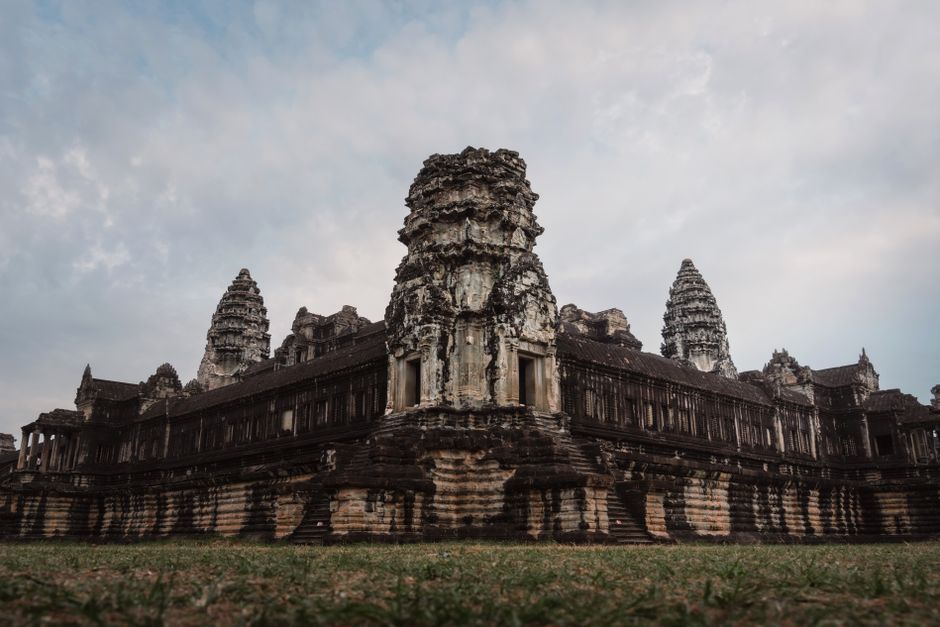
- Schedule temple visits by heat. Start Angkor before sunrise only if you can sleep early and reach the gate with a valid ticket. Otherwise begin after breakfast, visit the largest temple first, then take a midday break and return late afternoon.
- Protect the transition days. Never place a non-refundable international flight immediately after the Laos–Cambodia border. One buffer night costs less than replacing a missed flight.
One practical rule beats most packing advice: carry enough water and food for the next transfer, but do not fill your bag with supplies for the whole trip. Towns along the main route sell basics. A smaller pack makes stairs, boats, station platforms, and tuk-tuk loading much easier.