
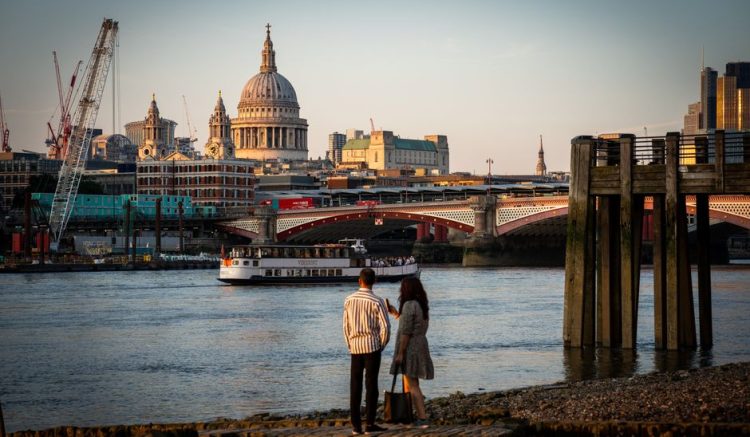
England is small. About the size of Louisiana. But crammed into that space are Roman ruins, medieval cities, national parks with real mountains, and a coastline that changes every 50 miles. The mistake most travelers make? Trying to see all of it in 7 days. That ends with 12 hours on motorways and a blur of cathedral photos.
This breakdown matches destinations to how you actually travel. History buff. Hiker. City explorer. Coastal wanderer. Each section gives you the real cost, the real time needed, and what you should skip.
London: The Obvious Choice That Still Delivers (If You Do It Right)
London gets 19 million visitors a year. It’s crowded, expensive, and still worth your time—if you know what you’re buying.
Entry to the British Museum costs £0. The permanent collection includes the Rosetta Stone, the Parthenon sculptures, and Egyptian mummies. Plan 3 hours minimum. The queue at 10 AM is 20 minutes. At 2 PM, it’s 45. Go early.
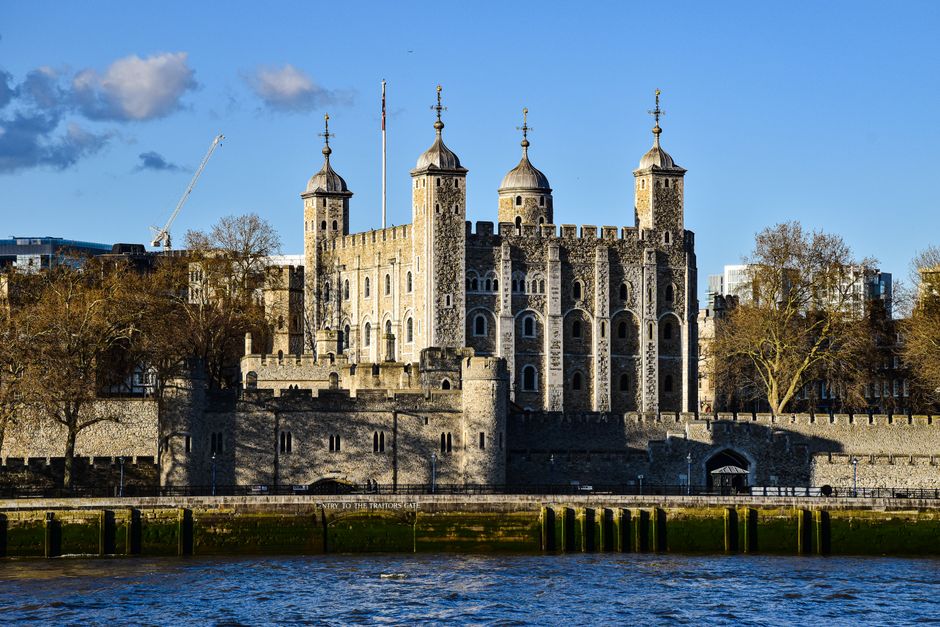
The Tower of London costs £33.60 per adult. The Crown Jewels viewing line moves slow—30 minutes on a Tuesday in March, 90 minutes in August. Book the 9:30 AM slot to beat crowds.
Skip the London Eye. £43 for a 30-minute ride. The view from the Sky Garden (free, book ahead) or the rooftop at One New Change is better and costs nothing.
Where London fails: It’s not “England.” It’s a global city. If you want stone cottages and sheep, London is the wrong base. Use it for 3 days, then leave.
The Cotswolds: Pretty Villages, Real Tradeoffs
Bourton-on-the-Water, Bibury, Castle Combe. These villages look like postcards. That’s the problem. Bourton-on-the-Water in July is a pedestrian traffic jam. Tour coaches disgorge 200 people at a time.
The solution: Base yourself in Stow-on-the-Wold (£120/night average B&B) or Chipping Campden (£95/night). Walk the Cotswold Way between villages instead of driving. The section from Broadway to Stanton is 5 miles, takes 2 hours, and you’ll see maybe 10 other hikers.
Car is mandatory. Public buses run once every 90 minutes on weekdays, less on weekends. Rental car from London Heathrow: £45/day including insurance. Parking in villages is tight—most lots fill by 11 AM.
Skip Bibury entirely. It’s the most photographed and the least authentic. Arlington Row looks identical to every Instagram photo you’ve seen. Visit Lower Slaughter instead. Same stone cottages, 90% fewer people.
Lake District: Hiking That Punches Above Its Size
England’s tallest mountain is Scafell Pike at 978 meters (3,209 feet). That’s not high by global standards. But the terrain is steep, the weather changes in 20 minutes, and the views are genuinely dramatic.
Scafell Pike from Wasdale Head: 3 hours up, 2.5 hours down. Total distance: 7 miles. Elevation gain: 900 meters. You need proper boots, a waterproof jacket, and a map. Phone signal drops after 400 meters. 15 people get rescued off this mountain every year. Don’t be one of them.
Keswick is the best base. Bunkhouse dorm bed: £35/night. Pub dinner: £18 for fish and chips. The Catbells hike starts 10 minutes from town center, takes 2 hours, and gives you lake views that rival Switzerland at a fraction of the cost.
What nobody tells you: Rain is not optional. The Lake District gets 200 rainy days per year. July averages 12 rainy days. May is drier. September has the best balance of dry weather and empty trails. Avoid August—school holidays mean every trailhead parking lot is full by 8 AM.
Cornwall: Coastal Walks and Surf (But It’s a Haul)
Cornwall is the southwestern tip of England. From London Paddington to Penzance: 5 hours by train. Return ticket: £120 if booked 8 weeks ahead, £250 if booked the week before. Driving takes 6 hours without traffic, 8 with summer traffic.
The South West Coast Path runs 630 miles along the entire peninsula. The best 3-day section: St Ives to Zennor (6 miles, 3 hours) then Zennor to Pendeen (5 miles, 2.5 hours). Cliffs drop straight into the Atlantic. Seals sunbathe on rocks below. In May, wildflowers cover the path.
Surfing at Fistral Beach in Newquay: Board rental £15 for 2 hours, wetsuit £10. Water temperature in August is 16°C (61°F). That’s cold. You need a 4/3 wetsuit. Beginners should book a lesson (£40 for 2 hours) rather than renting gear and guessing.
Skip Land’s End. It’s a tourist trap with a theme park entrance fee (£12.50 parking, £8.50 for the attraction). The views are identical to the free coastal path 200 meters away.
York and the North: Roman Walls, Viking History, and Proper Pubs
York is the best medieval city in England. The city walls are free to walk—2.8 miles, 2 hours, 360-degree views of a city that looks unchanged since 1400.
The Shambles is a 14th-century street so narrow the upper floors almost touch. It’s also completely overrun with tourists from 10 AM to 5 PM. Visit at 7 AM or 9 PM. The Harry Potter shop claims to be the inspiration for Diagon Alley. It’s not—J.K. Rowling has said this. But the street itself is real.
York Minster: £16 admission. The Undercroft museum shows Roman foundations underneath the cathedral. The Central Tower climb is 275 steps, narrow, and not for claustrophobes. The view from the top is worth the £6 extra ticket.
North Yorkshire Moors National Park is 45 minutes north. Whitby Abbey (£10.50) sits on a cliff overlooking the North Sea. Bram Stoker wrote parts of Dracula here. The 199 steps up to the abbey are steep—take your time.
Where to eat: The Blue Bell in York is a 15th-century pub with 6 real ales on tap and pies for £14. No music, no TVs, just wood beams and locals reading newspapers. That’s the England tourists miss.
Bath and Stonehenge: Day Trip or Overnight?
| Destination | From London (train) | Admission | Time needed | Best move |
|---|---|---|---|---|
| Stonehenge | 1.5 hours | £25 | 2-3 hours | Day trip from Salisbury |
| Bath | 1.5 hours | £21 (Roman Baths) | 4-6 hours | Overnight stay |
| Both combined | 3 hours driving | £46 total | 10+ hours | Rush; skip one |
Stonehenge is the most overrated attraction in England. £25 entry gets you a bus ride to a path 100 meters from the stones. You cannot touch them. You cannot walk among them. The visitor center is a museum with 5-star reviews from people who don’t want to admit they paid £25 for a photo op. Go at sunrise (special access tour, £48) or skip it entirely. The free standing stones at Avebury are bigger, older, and you can walk right up to them.
Bath is the opposite. The Roman Baths (£21) are genuinely impressive—the water still flows from the same hot spring the Romans used in 60 AD. The Georgian architecture is intact. The Thermae Bath Spa on the rooftop costs £38 for 2 hours and is the only place you can swim in the same natural hot water. Stay overnight. The Bath YMCA hostel has private rooms from £60 and is a 5-minute walk from the Abbey. Day trippers leave at 5 PM and the city empties. Evening walks along the Avon River are the best part.
Coastal England: Which Beach Is Right for You?
England has 7,723 miles of coastline. Not all of it is good. Here’s the honest breakdown:
Brighton is a city beach. Pebbles, not sand. The pier has arcades and candy floss. It’s fun for an afternoon. The water is cold and brown. Don’t swim. Train from London: 1 hour, £20 return.
Durdle Door in Dorset is a limestone arch over a turquoise bay. The walk from the carpark is 20 minutes downhill (steep). The beach is pebbles. In July, 5,000 people visit each day. Go in May or September. Parking: £10 for the day.
Rhossili Bay in Wales (yes, technically Wales, but 2 hours from Bristol) is the best beach in Britain. 3 miles of golden sand. Waves for surfing. No pier, no arcades, no shops. Just a pub at the top of the cliff. Parking: £6.50. Walk down: 15 minutes. Walk back up: 25 minutes. Bring your own food and water.
What nobody says about English beaches: The water temperature peaks at 17°C (63°F) in August. That’s cold. Most beaches have no lifeguards. Rip currents kill 5-10 people per year. Check the RNLI website for flags before you go in. And bring a windbreaker. The wind off the North Sea cuts through everything.